Why Is There Mucus in My Stool? Understanding IBS and Gut Health

Seeing mucus in your stool can be alarming, especially if it happens repeatedly or is accompanied by digestive discomfort. While small amounts of mucus are normal, excessive or noticeable mucus may point to an underlying gut-related issue.

Why is there mucus in your stool? In short, mucus in stool is often caused by irritation or inflammation in the digestive tract. Conditions such as irritable bowel syndrome (IBS), infections, food sensitivities, inflammatory bowel disease, and gut dysbiosis can all contribute. In many cases, mucus is the body’s response to stress or dysfunction in the intestines. Understanding why it happens starts with understanding the role mucus plays in gut health.

What Is Mucus in Stool?

Mucus is a gel-like substance naturally produced by the lining of the intestines. Its job is to:

  • Lubricate stool as it moves through the colon
  • Protect the intestinal lining from irritation
  • Help maintain a healthy gut barrier
  • Support immune defenses inside the digestive tract

Normally, small amounts of mucus mix invisibly into stool. However, when the intestines become irritated or inflamed, the body may produce excess mucus that becomes noticeable.

Mucus in stool may appear:

  • Clear or whitish
  • Yellowish
  • Stringy or jelly-like
  • Coating the stool or present separately

Occasional mucus is not always a cause for concern, but persistent mucus may indicate an underlying digestive issue that should be evaluated.

How the Gut Responds to Irritation

The digestive tract is lined with a protective mucosal barrier. When this barrier senses irritation, inflammation, infection, or stress, it increases mucus production as a defense mechanism. This response can happen for several reasons:

  • Inflammation activates immune responses in the intestines
  • Food sensitivities irritate the gut lining
  • Gut bacteria become imbalanced
  • Stress alters communication between the brain and gut
  • Digestive motility changes slow or speed up stool movement

In many chronic digestive conditions, mucus production becomes part of a larger pattern of intestinal dysfunction.

IBS and Mucus in Stool

One of the most common causes of mucus in stool is irritable bowel syndrome (IBS). IBS is a functional digestive disorder that affects how the intestines move and respond to stimuli. Unlike inflammatory bowel diseases, IBS does not typically cause visible structural damage to the intestines, but it can significantly affect quality of life.

People with IBS often experience:

  • Abdominal pain or cramping
  • Bloating
  • Diarrhea or constipation
  • Alternating bowel habits
  • Urgency after eating
  • Excess gas
  • Mucus in stool

Mucus in stool is particularly common in IBS with diarrhea (IBS-D).

Why IBS Causes Mucus

IBS affects the communication between the gut and nervous system, often called the gut–brain axis. This dysfunction can lead to:

  • Increased intestinal sensitivity
  • Irregular muscle contractions
  • Low-grade inflammation
  • Altered mucus secretion

Other Gut Conditions That Can Cause Mucus in Stool

While IBS is common, it is not the only condition associated with mucus in stool. Other diagnoses may include the following:

Inflammatory Bowel Disease (IBD)

Conditions such as Crohn’s disease and ulcerative colitis involve chronic inflammation of the digestive tract. Unlike IBS, IBD causes measurable tissue inflammation and damage. Symptoms may include:

  • Blood in stool
  • Severe abdominal pain
  • Weight loss
  • Fatigue
  • Frequent diarrhea
  • Mucus in stool

IBD requires medical evaluation and ongoing treatment.

Gut Infections

Bacterial, viral, or parasitic infections can irritate the intestines and increase mucus production. Common triggers include:

  • Food poisoning
  • Stomach viruses
  • Parasites
  • Antibiotic-associated infections

These infections often cause:

  • Diarrhea
  • Cramping
  • Fever
  • Nausea
  • Sudden digestive changes

Food Sensitivities and Intolerances

Certain foods can irritate the digestive tract and contribute to mucus production. Common triggers include:

  • Dairy
  • Gluten
  • Highly processed foods
  • Artificial sweeteners
  • High-fat foods

Food-related inflammation may also worsen existing IBS symptoms.

Gut Dysbiosis

The digestive tract relies on a balanced microbiome. When harmful bacteria overgrow or beneficial bacteria decrease, inflammation and altered bowel habits can occur. Gut dysbiosis may contribute to:

  • Bloating
  • Gas
  • Irregular bowel movements
  • Mucus in stool
  • Food sensitivities

This imbalance is increasingly recognized as an important contributor to chronic digestive symptoms.

Constipation

Even constipation can lead to mucus in stool. Hard stool may irritate the colon lining, triggering extra mucus production to help stool pass more easily. People with constipation-related mucus may also experience:

  • Straining
  • Incomplete bowel movements
  • Abdominal discomfort
  • Hard or pellet-like stool

How Gut Conditions Are Diagnosed

Because mucus in stool can have many causes, diagnosis starts with understanding the full clinical picture. A healthcare provider may evaluate:

  • Symptom history
  • Stool patterns
  • Diet and food triggers
  • Stress levels
  • Medical history
  • Recent infections or antibiotic use

Additional testing may include:

  • Stool testing
  • Blood work
  • Food sensitivity evaluations
  • Colonoscopy
  • Microbiome analysis
  • Imaging studies

In IBS specifically, diagnosis often involves ruling out other digestive conditions first.

What to Do If You Notice Mucus in Your Stool

If mucus in stool happens occasionally without other symptoms, it may not indicate a serious problem. However, persistent or recurring mucus should not be ignored, especially if accompanied by digestive discomfort.

Pay attention to:

  • How often it occurs
  • Associated symptoms
  • Dietary triggers
  • Stress patterns
  • Changes in bowel habits

Keeping track of symptoms can help identify patterns and guide appropriate evaluation.

Hope for Healing: A Root-Cause Approach to IBS Care

Digestive symptoms can be frustrating, disruptive, and difficult to fully explain. Many people with IBS or chronic gut symptoms spend years trying restrictive diets, temporary medications, or symptom-based treatments without understanding why their symptoms continue.

Because digestive symptoms can have multiple contributing factors, identifying the root cause is essential for effective treatment. This is where clinics such as Hope for Healing take a different approach.

At Hope for Healing, the goal is not simply to manage digestive symptoms temporarily, but to investigate the underlying factors contributing to chronic gut dysfunction. Our approach recognizes that conditions such as IBS are often influenced by multiple systems working together, including:

  • Gut inflammation
  • Food sensitivities
  • Nervous system dysregulation
  • Microbiome imbalance
  • Chronic stress
  • Digestive dysfunction

Rather than offering a one-size-fits-all plan, Hope for Healing provides a structured, individualized approach designed to uncover root causes and support long-term digestive health.

Our IBS care approach may help patients:

  • Understand potential triggers behind symptoms
  • Identify patterns contributing to digestive distress
  • Support gut healing and microbiome balance
  • Improve bowel regularity and inflammation
  • Develop sustainable strategies for symptom management

For individuals who feel stuck cycling through temporary fixes, this type of comprehensive evaluation can provide a clearer path forward.

If you are looking for a root-cause approach to IBS and chronic digestive symptoms, you can learn more here:
https://get2theroot.com/ibs-irritable-bowel-syndrome

Final Summary: Why Is There Mucus in Your Stool?

Mucus in stool is often a sign that the digestive tract is irritated or inflamed. Conditions such as IBS, gut infections, food sensitivities, constipation, inflammatory bowel disease, and gut dysbiosis can all contribute to excess mucus production.

IBS is one of the most common causes, particularly when mucus occurs alongside bloating, abdominal discomfort, diarrhea, or constipation. Because digestive symptoms can have multiple contributing factors, identifying the root cause is essential for effective treatment.Clinics such as Hope for Healing provide individualized IBS care designed to move beyond symptom management and support long-term digestive health through a root-cause approach. Schedule with Hope for Healing today!

Is Irritable Bowel Syndrome an Autoimmune Disorder?

Digestive symptoms such as bloating, abdominal pain, constipation, and diarrhea can sometimes leave people wondering whether something deeper is happening in the body. Because IBS often overlaps with inflammation, fatigue, food sensitivities, and chronic health issues, many people ask an important question: “Is irritable bowel syndrome an autoimmune disorder?”

The short answer is no. IBS itself is not officially classified as an autoimmune disorder. However, autoimmune conditions can contribute to IBS symptoms, and some individuals with IBS may also have underlying immune system dysfunction or inflammatory triggers affecting gut health.

Part of the confusion comes from the fact that IBS is not one single disease with one single cause. Instead, it is a broad functional digestive syndrome that can develop through multiple different pathways.

What Is IBS?

IBS, or irritable bowel syndrome, is a chronic digestive condition that affects how the gastrointestinal tract functions. It is considered a functional gastrointestinal disorder, meaning symptoms occur because of disruptions in gut function rather than obvious structural damage visible on standard testing.

People with IBS commonly experience:

  • Abdominal pain
  • Bloating
  • Gas
  • Constipation
  • Diarrhea
  • Food sensitivities
  • Changes in bowel habits

Symptoms may come and go over time and often worsen during periods of stress or after eating certain foods.

How IBS Works in the Body

IBS involves complex interactions between the digestive system, nervous system, gut bacteria, and immune signaling. Several mechanisms are believed to contribute to symptoms:

1. Gut–Brain Axis Dysregulation

The gut and brain constantly communicate through the nervous system. Stress and nervous system activation can affect:

  • Digestion
  • Gut motility
  • Pain sensitivity
  • Inflammation

So stress can worsen digestive symptoms.

2. Increased Gut Sensitivity

Many people with IBS have heightened sensitivity within the digestive tract. In other words, normal digestive processes, such as gas production or intestinal stretching, may feel painful or uncomfortable.

3. Altered Gut Motility

IBS can affect how quickly food moves through the intestines. Unfortunately, this often leads to:

  • Constipation
  • Diarrhea
  • Cramping
  • Pressure and bloating

4. Gut Microbiome Imbalances

The gut microbiome consists of trillions of bacteria that help regulate digestion, immunity, and inflammation. Imbalances in gut bacteria may contribute to:

  • Bloating
  • Gas
  • Food sensitivities
  • Irregular digestion

Research on the microbiome continues to expand rapidly.

What Is an Autoimmune Disorder?

An autoimmune disorder occurs when the immune system mistakenly attacks the body’s own tissues. Normally, the immune system protects the body from harmful invaders such as viruses and bacteria. In autoimmune conditions, this protective system becomes dysregulated and targets healthy tissue instead.

Common autoimmune diseases include:

  • Hashimoto’s thyroiditis
  • Rheumatoid arthritis
  • Lupus
  • Celiac disease
  • Multiple sclerosis
  • Crohn’s disease

Autoimmune disorders often involve chronic inflammation and immune system activation. Symptoms vary depending on which tissues are affected.

What Causes Autoimmune Disorders?

Autoimmune disorders are complex and usually develop through a combination of factors rather than one single cause. Potential contributing factors include:

  • Genetics
  • Chronic inflammation
  • Environmental triggers
  • Infections
  • Stress
  • Gut microbiome disruption
  • Hormonal influences

Researchers continue to study how immune dysfunction develops and why certain individuals become more susceptible than others.

Why IBS Is Not Considered a Single Disease

Technically, irritable bowel syndrome is not an autoimmune disorder. One important reason IBS creates confusion is because it is not one clearly defined disease process. IBS is better understood as a syndrome, meaning a collection of symptoms that may arise from different underlying causes.

Two people may both be diagnosed with IBS while having very different contributing factors. For example, one person’s IBS may be driven primarily by:

  • Nervous system dysregulation
  • Stress and anxiety
  • Gut sensitivity

But another person’s symptoms may be more connected to:

  • Food sensitivities
  • Gut microbiome imbalances
  • Low-grade inflammation
  • Immune activation

This variability is one reason IBS treatment can feel inconsistent from person to person.

Can Autoimmune Disorders Lead to IBS Symptoms?

Autoimmune disorders can sometimes contribute to symptoms similar to irritable bowel syndrome, or even coexist alongside IBS. There are several ways this can happen:

1. Inflammation Affecting the Gut

Many autoimmune conditions involve chronic inflammation. When inflammation affects the digestive system, it may contribute to symptoms such as:

  • Bloating
  • Abdominal discomfort
  • Diarrhea
  • Food sensitivities
  • Irregular bowel movements

Even when the intestines themselves are not directly targeted, systemic inflammation may still affect digestion.

2. Gut Microbiome Changes

Autoimmune disorders, like irritable bowel syndrome, are often associated with alterations in gut bacteria balance. Changes in the microbiome may contribute to:

  • Digestive dysfunction
  • Increased gut sensitivity
  • Immune activation
  • Food reactions

Because the immune system and gut microbiome are closely connected, disruptions in one system may affect the other.

3. Nervous System Dysregulation

Chronic illness and inflammation can affect the autonomic nervous system, which helps regulate digestion. This may lead to:

  • Slower digestion
  • Cramping
  • Constipation
  • Diarrhea
  • Increased pain sensitivity

4. Overlapping Conditions

Some autoimmune disorders directly affect digestion and may overlap with IBS symptoms. For example:

  • Celiac disease can cause bloating and diarrhea
  • Crohn’s disease can cause abdominal pain and bowel changes
  • Hashimoto’s thyroiditis may contribute to constipation and slowed digestion

This overlap is one reason thorough evaluation is important when digestive symptoms are persistent.

Is Irritable Bowel Syndrome an Autoimmune Disorder?

IBS itself is not officially classified as an autoimmune disorder. However, autoimmune disorders can contribute to symptoms of irritable bowel syndrome through inflammation, immune dysregulation, microbiome disruption, and nervous system effects.

At the same time, IBS can also develop from many other factors, including stress, food sensitivities, infections, and gut–brain axis dysfunction. Because IBS is not a single disease with one single cause, identifying the underlying contributors to symptoms is often an important part of long-term digestive care.

As our understanding of gut health continues to expand in 2026, more connections are being discovered among digestion, immunity, inflammation, and overall well-being. For individuals struggling with chronic digestive symptoms, a more personalized and root-cause approach to care may help provide greater clarity and support moving forward.Schedule with Hope for Healing today for IBS care: https://get2theroot.com/ibs-irritable-bowel-syndrome

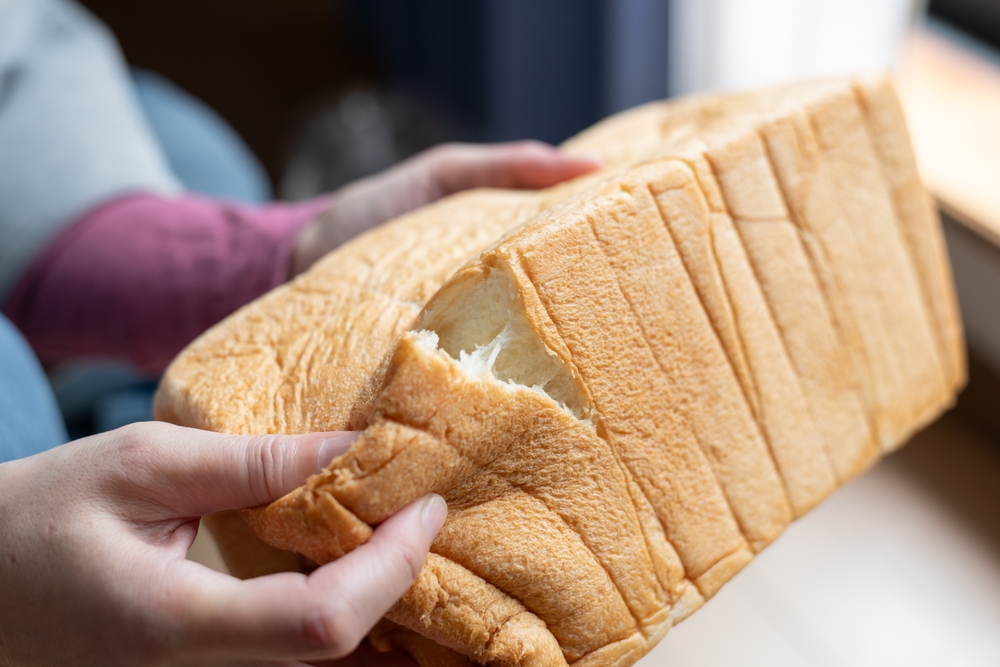
Is Bread Bad for Irritable Bowel Syndrome?

For many people with irritable bowel syndrome, certain foods seem to trigger symptoms almost immediately. Bread is one of the most commonly questioned foods, especially when bloating, abdominal discomfort, or digestive changes appear after eating.

Is bread bad for irritable bowel syndrome?

For some individuals, yes. Certain types of bread may worsen IBS symptoms due to ingredients such as gluten, fermentable carbohydrates, preservatives, or added sugars. However, not every person with IBS reacts to bread the same way. Understanding how IBS works and why some bread ingredients can be bad for irritable bowel syndrome may help explain why digestive reactions occur.

What Is IBS?

Irritable bowel syndrome, commonly called IBS, is a chronic digestive condition that affects how the gastrointestinal tract functions. IBS is considered a functional gastrointestinal disorder, meaning symptoms arise from disruptions in gut function rather than obvious structural damage.

People with IBS commonly experience:

  • Abdominal pain
  • Bloating
  • Gas
  • Constipation
  • Diarrhea
  • Food sensitivities
  • Changes in bowel habits

Symptoms often fluctuate over time and may worsen after eating certain foods or during periods of stress.

How IBS Works in the Body

IBS involves complex interactions between the digestive system, nervous system, gut bacteria, and immune signaling. Several mechanisms are believed to contribute to symptoms:

1. Gut–Brain Axis Dysregulation

The gut and brain constantly communicate through the nervous system. Stress and nervous system activation can affect:

  • Digestion
  • Gut motility
  • Pain sensitivity
  • Inflammation

This connection is one reason stress can worsen digestive symptoms.

2. Increased Gut Sensitivity

Many people with IBS have heightened sensitivity within the digestive tract. This means that normal digestive processes, such as gas production or intestinal stretching, may feel painful or uncomfortable.

3. Altered Gut Motility

IBS can affect how quickly food moves through the intestines. This may lead to:

  • Constipation
  • Diarrhea
  • Cramping
  • Pressure and bloating

4. Gut Microbiome Imbalances

The gut microbiome consists of trillions of bacteria that help regulate digestion, immunity, and inflammation. Imbalances in gut bacteria may contribute to:

  • Bloating
  • Gas
  • Food sensitivities
  • Irregular digestion

Research on the microbiome continues to expand rapidly, especially as more connections are discovered between gut health and overall health.

Why Bread Can Trigger IBS Symptoms

Bread itself is not automatically bad for everyone with irritable bowel syndrome. However, several components commonly found in bread may trigger digestive symptoms in susceptible individuals:

1. Gluten Sensitivity

Gluten is a protein found in wheat, barley, and rye. Some people with IBS may experience digestive symptoms after consuming foods with gluten, even if they do not have celiac disease.

Possible symptoms include:

  • Bloating
  • Abdominal pain
  • Gas
  • Diarrhea
  • Fatigue after eating

In some cases, the reaction may involve immune activation or increased intestinal sensitivity.

2. FODMAP Carbohydrates

Many breads contain fermentable carbohydrates called FODMAPs. These carbohydrates are poorly absorbed in some individuals and can ferment inside the intestines, producing excess gas and pressure. This fermentation may lead to:

  • Bloating
  • Cramping
  • Gas
  • Abdominal discomfort
  • Changes in bowel habits

In this case, yes, bread can be bad for irritable bowel syndrome.

3. Refined Flour and Processed Ingredients

Highly processed breads often contain ingredients that may irritate digestion or contribute to inflammation in sensitive individuals. These may include:

  • Refined flour
  • Preservatives
  • Artificial additives
  • Emulsifiers
  • Added sugars

Some processed ingredients may alter gut bacteria balance or increase digestive irritation.

4. Yeast and Fermentation Reactions

Certain people with IBS may react poorly to products containing yeast or fermentation byproducts. This can contribute to:

  • Gas production
  • Bloating
  • Digestive discomfort

Although not everyone is sensitive to yeast, it may be a contributing factor for some individuals.

5. Blood Sugar and Inflammation

Highly refined breads can be bad for irritable bowel syndrome because they cause rapid spikes in blood sugar levels. Over time, diets high in processed carbohydrates may contribute to:

  • Increased inflammation
  • Gut microbiome imbalance
  • Energy crashes
  • Appetite dysregulation

Inflammation and gut health are closely connected, particularly in individuals already experiencing digestive dysfunction.

Does This Mean You Should Avoid Bread Completely?

Bread isn’t equally bad for everyone with irritable bowel syndrome. IBS triggers vary significantly from person to person. Some individuals tolerate certain breads well, while others notice major symptom flare-ups. Factors that may influence tolerance include:

  • Type of bread
  • Gluten content
  • Fiber content
  • Degree of processing
  • Portion size
  • Overall gut health

For example, some people tolerate sourdough bread, gluten-free bread, and minimally processed breads better than heavily processed commercial products. This is one reason embracing individualized care is important, rather than assuming one diet works for everyone.

The Importance of Gut Health in IBS

Digestive health affects far more than just digestion. In 2026, research continues to show strong connections between the gut and:

  • Immune function
  • Inflammation
  • Hormonal balance
  • Nervous system regulation
  • Mood and mental health
  • Chronic disease risk

When gut function becomes disrupted, symptoms may extend beyond occasional stomach discomfort. Chronic digestive dysfunction can affect energy, sleep, stress tolerance, focus, and overall well-being. Addressing gut health earlier rather than later may help prevent ongoing symptom progression and improve quality of life.

Hope for Healing: Personalized Gut Care for IBS

If bread and other foods seem to trigger ongoing digestive symptoms, working with practitioners who take a broader, individualized approach to gut health can make a significant difference.

At Hope for Healing, Dr. K and her team focus on identifying and addressing the underlying contributors to chronic digestive dysfunction rather than simply masking symptoms temporarily. Their approach to IBS care includes evaluating the larger picture of gut health, inflammation, food sensitivities, and digestive regulation.

Care may include:

  • Comprehensive symptom evaluation
  • Personalized treatment planning
  • Functional medicine perspectives on digestion
  • Nutritional and lifestyle guidance
  • Root-cause investigation of chronic gut symptoms
  • Ongoing support and monitoring

As research on the gut continues to evolve, individualized digestive care becomes increasingly important for long-term health and symptom management. If you are ready to explore a more comprehensive approach to IBS and gut health, you can learn more here:

Hope for Healing IBS Care

Conclusion: Is Bread Bad for Irritable Bowel Syndrome?

Bread can be bad for some individuals with irritable bowel syndrome due to ingredients such as gluten, fermentable carbohydrates, processed additives, yeast, and refined flour. However, reactions vary significantly from person to person, which is why understanding individual triggers and overall gut health is important.

As our understanding of the gut continues to expand in 2026, more connections are being discovered among digestion, inflammation, immunity, and overall well-being. For individuals struggling with IBS symptoms related to food, bloating, or digestive discomfort, a more personalized and root-cause approach to gut care may help provide greater clarity and long-term support.If you are struggling with irritable bowel syndrome and experiencing bread triggers, schedule with Hope for Healing today for root-cause care!

Can Irritable Bowel Syndrome Cause Backache?

Digestive symptoms do not always stay confined to the stomach or intestines. Many people with irritable bowel syndrome notice discomfort that extends beyond the digestive tract, including aching or pressure in the lower back.

Can irritable bowel syndrome cause backache?

In some cases, yes. IBS can contribute to back discomfort, particularly in the lower back, through mechanisms involving abdominal pressure, muscle tension, inflammation, bloating, and nerve sensitivity.

Because the digestive system is closely connected to the nervous system and surrounding muscles, irritation in the gut can sometimes create pain patterns that radiate into nearby areas.

What Is Irritable Bowel Syndrome?

Irritable bowel syndrome, commonly called IBS, is a chronic digestive condition that affects how the gastrointestinal tract functions. IBS is considered a functional gastrointestinal disorder, meaning symptoms occur because of disruptions in gut function rather than visible structural damage.

People with IBS commonly experience:

  • Abdominal pain
  • Bloating
  • Gas
  • Constipation
  • Diarrhea
  • Alternating bowel habits
  • Digestive discomfort after eating

Symptoms of irritable bowel syndrome, including backache, can range from mild to severe and often fluctuate over time. 

How IBS Happens

IBS is a complex condition with multiple contributing factors. There is rarely one single cause. Instead, IBS is thought to involve a combination of issues affecting the gut, nervous system, and digestive regulation.

1. Gut–Brain Axis Dysfunction

The digestive system and brain constantly communicate through the nervous system. Stress and nervous system dysregulation can affect:

  • Digestion
  • Gut sensitivity
  • Muscle contractions in the intestines
  • Pain perception

This is one reason emotional stress can sometimes worsen IBS symptoms.

2. Gut Sensitivity

Many people with IBS experience visceral hypersensitivity, meaning the nerves in the digestive tract become unusually sensitive. This can cause normal digestive activity to feel painful or uncomfortable. Even mild gas or intestinal stretching may trigger significant discomfort.

3. Bloating and Pressure Build-Up

IBS frequently causes bloating and excess gas. As pressure builds within the abdomen, surrounding muscles and tissues can also become strained or irritated. This pressure is one reason IBS symptoms may sometimes extend into the lower back or pelvic region.

4. Changes in Gut Motility

IBS can alter how quickly or slowly food moves through the digestive tract. This may contribute to:

  • Constipation
  • Diarrhea
  • Cramping
  • Pressure sensations

When constipation becomes severe, pressure within the abdomen may increase substantially.

5. Inflammation and Microbiome Imbalances

Although IBS is not traditionally classified as an inflammatory bowel disease, low-grade inflammation and microbiome imbalances may still contribute to symptoms in some individuals. Research on gut bacteria and digestive inflammation continues to expand rapidly.

How Irritable Bowel Syndrome Can Cause Backache

Backache associated with irritable bowel syndrome is most commonly felt in the lower back. This happens for several possible reasons:

1. Abdominal Pressure and Bloating

One of the most common mechanisms is increased abdominal pressure. When the intestines become bloated or backed up with gas and stool, pressure inside the abdomen rises. This pressure can:

  • Strain nearby muscles
  • Affect posture
  • Increase tension in the lower back
  • Create aching sensations around the pelvis and spine

For individuals with chronic bloating or constipation, this pressure may persist for long periods of time.

2. Referred Pain

The nervous system in the abdomen and lower back is closely interconnected. Sometimes pain originating in the intestines is interpreted by the brain as pain in nearby areas, including the back. This is called referred pain.

Rather than the spine itself being injured, irritation within the digestive tract may create pain signals that radiate outward.

3. Muscle Tension from Chronic Discomfort

Living with chronic digestive pain often leads to unconscious muscle tightening. People with IBS may:

  • Clench abdominal muscles
  • Change posture to avoid discomfort
  • Tense pelvic or lower back muscles

Over time, this chronic tension can contribute to soreness and backache thanks to irritable bowel syndrome.

4. Constipation and Lower Back Pressure

Constipation-predominant IBS can cause backache by placing significant pressure on the lower abdomen and pelvis. As stool accumulates, surrounding tissues may become compressed, leading to:

  • Lower back discomfort
  • Pelvic pressure
  • Aching near the hips or sacrum

Many individuals notice that back discomfort improves after bowel movements or reduced bloating.

5. Nervous System Sensitization

IBS is strongly connected to nervous system sensitivity. When the nervous system becomes chronically activated, pain signals can become amplified. This means relatively minor digestive irritation may feel much more intense and widespread.

Some people experience:

  • Increased pain sensitivity
  • Muscle tightness
  • Generalized body discomfort
  • Lower backache alongside digestive symptoms

Traditional IBS Care vs. Root-Cause Care

Traditional IBS treatment often focuses primarily on symptom management. This may include:

  • Antacids
  • Fiber supplements
  • Laxatives
  • Anti-diarrheal medications
  • Dietary restriction

While these approaches to backache caused by irritable bowel syndrome may help temporarily, they do not always address deeper contributors to digestive dysfunction.

A root-cause approach looks more broadly at factors such as:

  • Gut microbiome balance
  • Inflammation
  • Food sensitivities
  • Stress and nervous system regulation
  • Lifestyle patterns
  • Digestive function overall

This more comprehensive perspective can help patients better understand why symptoms are occurring and how they may be affecting the rest of the body.

Hope for Healing: Gut-Focused IBS Care

If you are experiencing irritable bowel syndrome symptoms alongside backache, working with practitioners who understand the broader connections between gut health and whole-body symptoms can make a significant difference.

At Hope for Healing, the focus is not simply on suppressing digestive symptoms temporarily. Our approach centers on identifying and addressing the underlying contributors to chronic gut dysfunction.

Dr. K and her team provide individualized digestive care designed to help patients better understand the factors affecting their gut health and overall well-being. Dr. K’s approach may include:

  • Comprehensive symptom evaluation
  • Root-cause investigation
  • Functional medicine perspectives on digestive health
  • Nutritional and lifestyle guidance
  • Personalized treatment planning
  • Ongoing support and monitoring

For individuals experiencing IBS symptoms alongside back discomfort, a more comprehensive and root-cause approach to gut care may help provide greater clarity and long-term support. Schedule with Hope for Healing today to address irritable bowel syndrome and backache: https://get2theroot.com/ibs-irritable-bowel-syndrome

IBS Doctor in The Woodlands

Living with ongoing digestive symptoms can be exhausting, frustrating, and isolating. Many people with IBS spend years trying different diets, medications, and supplements without ever feeling like they fully understand what is happening in their bodies. Bloating, abdominal pain, constipation, diarrhea, and food sensitivities can affect nearly every part of daily life.

The good news is that our understanding of gut health continues to grow rapidly. Each year, more research reveals how deeply the gut is connected to inflammation, immunity, hormones, mood, and overall health. Because of this, seeking care can create opportunities to identify and address underlying contributors.

Need an IBS doctor in The Woodlands? At Hope for Healing, Dr. K and her team take a root-cause, individualized approach to IBS care designed to help patients move beyond symptom management toward a clearer understanding of their digestive health.

What Is IBS?

IBS stands for irritable bowel syndrome, a chronic digestive condition that affects how the gastrointestinal tract functions.

Unlike diseases that cause visible structural damage to the intestines, IBS is considered a functional gastrointestinal disorder. This means symptoms occur because of disruptions in how the gut functions and communicates, even when standard imaging or testing may appear normal.

IBS commonly affects:

  • Digestion
  • Bowel movements
  • Gut sensitivity
  • Abdominal comfort
  • Food tolerance

Symptoms can vary significantly from person to person, hence the need for a good IBS doctor in The Woodlands.

Common Symptoms of IBS

People with IBS may experience symptoms such as:

  • Abdominal pain or cramping
  • Bloating
  • Excess gas
  • Constipation
  • Diarrhea
  • Urgency after eating
  • Incomplete bowel movements
  • Food sensitivities

For some individuals, symptoms are mild and occasional. For others, IBS can interfere with work, social activities, sleep, travel, and overall quality of life. Because symptoms often fluctuate, many people without an IBS doctor in The Woodlands feel stuck in cycles of temporary improvement followed by frustrating flare-ups.

What Causes IBS?

IBS is considered a complex and multifactorial condition, meaning there is rarely one single cause. Several factors may contribute to digestive dysfunction:

1. Gut–Brain Axis Dysregulation

The gut and brain constantly communicate through the nervous system, hormones, and immune signaling. Stress, anxiety, and chronic nervous system activation can affect:

  • Gut motility
  • Digestion
  • Sensitivity to pain
  • Inflammation

This is one reason IBS symptoms often worsen during periods of stress.

2. Gut Microbiome Imbalances

The gut contains trillions of bacteria that play important roles in digestion, immunity, and inflammation regulation. Imbalances in gut bacteria may contribute to:

  • Bloating
  • Gas
  • Food sensitivities
  • Irregular bowel movements

Research into the microbiome continues to expand rapidly, and each year we learn more about how these microbial ecosystems influence health far beyond digestion.

3. Food Sensitivities and Dietary Triggers

Certain foods may trigger symptoms in susceptible individuals. Common triggers can include:

  • Highly processed foods
  • Sugar alcohols
  • Dairy
  • Gluten
  • High FODMAP foods
  • Artificial additives

However, triggers vary greatly from person to person, which is why individualized care is important.

4. Inflammation and Immune Activation

Even though some IBS doctors in The Woodlands may describe the condition as a “functional” disorder, low-grade inflammation and immune dysregulation may still play a role in symptom development for some patients. Emerging research continues to show stronger connections between digestive health and systemic inflammation.

5. Previous Infections or Illnesses

Some individuals develop IBS after food poisoning, viral illness, or antibiotic use. These events can alter:

  • Gut bacteria balance
  • Digestive function
  • Nervous system signaling within the gut

This is sometimes referred to as post-infectious IBS.

Why IBS Should Not Be Ignored

Many people normalize digestive symptoms for years before seeking help from an IBS doctor in The Woodlands. Others are told that IBS is “just stress” or that they simply need to avoid certain foods. But persistent digestive dysfunction can significantly affect overall health and quality of life.

Ongoing IBS symptoms may contribute to:

  • Nutrient deficiencies
  • Chronic fatigue
  • Sleep disruption
  • Anxiety around food or eating
  • Social withdrawal
  • Increased stress and inflammation

Additionally, because our understanding of the gut continues to evolve, early evaluation may help uncover contributing factors that previously went overlooked. Putting off care may mean continuing to live with symptoms that could potentially improve with a more comprehensive approach.

Who Benefits from IBS Care?

An IBS doctor in The Woodlands may benefit individuals who experience:

  • Chronic bloating
  • Ongoing constipation or diarrhea
  • Digestive discomfort after eating
  • Food sensitivities
  • Unexplained abdominal pain
  • Symptoms that fluctuate without clear explanation
  • Persistent digestive issues despite normal testing

It may also benefit people who feel like they have tried multiple approaches without lasting improvement.

Traditional IBS Care vs. Root-Cause Care

Traditional IBS management often focuses primarily on symptom reduction. This may include:

  • Antacids
  • Anti-diarrheal medications
  • Laxatives
  • Dietary restrictions
  • General stress management recommendations

While these approaches can sometimes provide temporary relief, they may not fully address underlying contributors to digestive dysfunction.

A root-cause approach practiced by the right IBS doctor in The Woodlands looks more broadly at factors such as:

  • Gut microbiome health
  • Inflammation
  • Food sensitivities
  • Nervous system regulation
  • Hormonal balance
  • Lifestyle and environmental influences

This more comprehensive perspective can help patients better understand why symptoms are occurring in the first place.

The Importance of Personalized IBS Care

No two IBS patients are exactly alike. One person may primarily struggle with constipation and bloating, while another experiences diarrhea, food sensitivities, and fatigue. Because symptoms and triggers vary so widely, the best IBS doctor in The Woodlands will often require individualized evaluation and treatment planning. Personalized care may include:

  • Comprehensive health history review
  • Dietary evaluation
  • Lab testing when appropriate
  • Lifestyle and stress assessment
  • Gut-focused treatment strategies
  • Ongoing symptom monitoring

This type of care aims to support long-term digestive function rather than simply masking symptoms temporarily.

Connect with an IBS Doctor in The Woodlands

IBS is a complex digestive condition that can affect far more than just the gut. Symptoms such as bloating, abdominal pain, constipation, diarrhea, and food sensitivities can impact energy, mood, daily routines, and overall quality of life.

As our understanding of gut health continues to expand in 2026, more connections are being discovered between the digestive system, inflammation, immunity, hormones, and chronic disease. Because of this, seeking care sooner rather than later may help uncover important contributing factors and create opportunities for more effective support.

For individuals looking for an IBS doctor in The Woodlands, Dr. K and her team at Hope for Healing offer a personalized, root-cause approach designed to help patients better understand and manage chronic digestive symptoms.With individualized guidance and a deeper focus on gut health, it may be possible to move beyond temporary symptom management toward more meaningful, long-term digestive support. Schedule with Hope for Healing today!

Autism or Mold Toxicity?
Getting to the Root Cause