
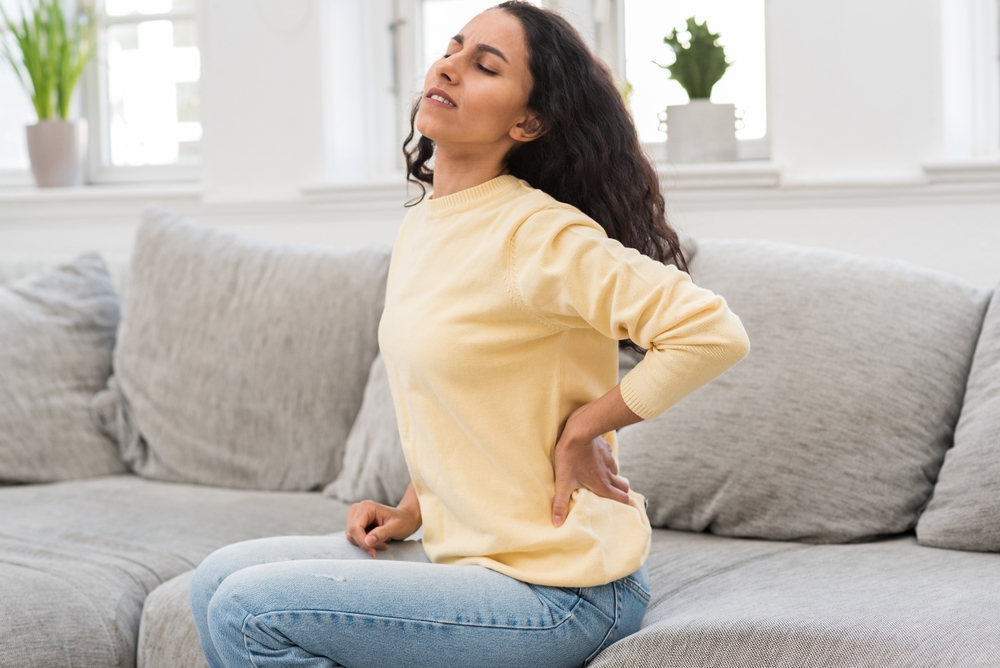
Digestive symptoms do not always stay confined to the stomach or intestines. Many people with irritable bowel syndrome notice discomfort that extends beyond the digestive tract, including aching or pressure in the lower back.
Can irritable bowel syndrome cause backache?
In some cases, yes. IBS can contribute to back discomfort, particularly in the lower back, through mechanisms involving abdominal pressure, muscle tension, inflammation, bloating, and nerve sensitivity.
Because the digestive system is closely connected to the nervous system and surrounding muscles, irritation in the gut can sometimes create pain patterns that radiate into nearby areas.
What Is Irritable Bowel Syndrome?
Irritable bowel syndrome, commonly called IBS, is a chronic digestive condition that affects how the gastrointestinal tract functions. IBS is considered a functional gastrointestinal disorder, meaning symptoms occur because of disruptions in gut function rather than visible structural damage.
People with IBS commonly experience:
- Abdominal pain
- Bloating
- Gas
- Constipation
- Diarrhea
- Alternating bowel habits
- Digestive discomfort after eating
Symptoms of irritable bowel syndrome, including backache, can range from mild to severe and often fluctuate over time.
How IBS Happens
IBS is a complex condition with multiple contributing factors. There is rarely one single cause. Instead, IBS is thought to involve a combination of issues affecting the gut, nervous system, and digestive regulation.
1. Gut–Brain Axis Dysfunction
The digestive system and brain constantly communicate through the nervous system. Stress and nervous system dysregulation can affect:
- Digestion
- Gut sensitivity
- Muscle contractions in the intestines
- Pain perception
This is one reason emotional stress can sometimes worsen IBS symptoms.
2. Gut Sensitivity
Many people with IBS experience visceral hypersensitivity, meaning the nerves in the digestive tract become unusually sensitive. This can cause normal digestive activity to feel painful or uncomfortable. Even mild gas or intestinal stretching may trigger significant discomfort.
3. Bloating and Pressure Build-Up
IBS frequently causes bloating and excess gas. As pressure builds within the abdomen, surrounding muscles and tissues can also become strained or irritated. This pressure is one reason IBS symptoms may sometimes extend into the lower back or pelvic region.
4. Changes in Gut Motility
IBS can alter how quickly or slowly food moves through the digestive tract. This may contribute to:
- Constipation
- Diarrhea
- Cramping
- Pressure sensations
When constipation becomes severe, pressure within the abdomen may increase substantially.
5. Inflammation and Microbiome Imbalances
Although IBS is not traditionally classified as an inflammatory bowel disease, low-grade inflammation and microbiome imbalances may still contribute to symptoms in some individuals. Research on gut bacteria and digestive inflammation continues to expand rapidly.
How Irritable Bowel Syndrome Can Cause Backache
Backache associated with irritable bowel syndrome is most commonly felt in the lower back. This happens for several possible reasons:
1. Abdominal Pressure and Bloating
One of the most common mechanisms is increased abdominal pressure. When the intestines become bloated or backed up with gas and stool, pressure inside the abdomen rises. This pressure can:
- Strain nearby muscles
- Affect posture
- Increase tension in the lower back
- Create aching sensations around the pelvis and spine
For individuals with chronic bloating or constipation, this pressure may persist for long periods of time.
2. Referred Pain
The nervous system in the abdomen and lower back is closely interconnected. Sometimes pain originating in the intestines is interpreted by the brain as pain in nearby areas, including the back. This is called referred pain.
Rather than the spine itself being injured, irritation within the digestive tract may create pain signals that radiate outward.
3. Muscle Tension from Chronic Discomfort
Living with chronic digestive pain often leads to unconscious muscle tightening. People with IBS may:
- Clench abdominal muscles
- Change posture to avoid discomfort
- Tense pelvic or lower back muscles
Over time, this chronic tension can contribute to soreness and backache thanks to irritable bowel syndrome.
4. Constipation and Lower Back Pressure
Constipation-predominant IBS can cause backache by placing significant pressure on the lower abdomen and pelvis. As stool accumulates, surrounding tissues may become compressed, leading to:
- Lower back discomfort
- Pelvic pressure
- Aching near the hips or sacrum
Many individuals notice that back discomfort improves after bowel movements or reduced bloating.
5. Nervous System Sensitization
IBS is strongly connected to nervous system sensitivity. When the nervous system becomes chronically activated, pain signals can become amplified. This means relatively minor digestive irritation may feel much more intense and widespread.
Some people experience:
- Increased pain sensitivity
- Muscle tightness
- Generalized body discomfort
- Lower backache alongside digestive symptoms
Traditional IBS Care vs. Root-Cause Care
Traditional IBS treatment often focuses primarily on symptom management. This may include:
- Antacids
- Fiber supplements
- Laxatives
- Anti-diarrheal medications
- Dietary restriction
While these approaches to backache caused by irritable bowel syndrome may help temporarily, they do not always address deeper contributors to digestive dysfunction.
A root-cause approach looks more broadly at factors such as:
- Gut microbiome balance
- Inflammation
- Food sensitivities
- Stress and nervous system regulation
- Lifestyle patterns
- Digestive function overall
This more comprehensive perspective can help patients better understand why symptoms are occurring and how they may be affecting the rest of the body.
Hope for Healing: Gut-Focused IBS Care
If you are experiencing irritable bowel syndrome symptoms alongside backache, working with practitioners who understand the broader connections between gut health and whole-body symptoms can make a significant difference.
At Hope for Healing, the focus is not simply on suppressing digestive symptoms temporarily. Our approach centers on identifying and addressing the underlying contributors to chronic gut dysfunction.
Dr. K and her team provide individualized digestive care designed to help patients better understand the factors affecting their gut health and overall well-being. Dr. K’s approach may include:
- Comprehensive symptom evaluation
- Root-cause investigation
- Functional medicine perspectives on digestive health
- Nutritional and lifestyle guidance
- Personalized treatment planning
- Ongoing support and monitoring
For individuals experiencing IBS symptoms alongside back discomfort, a more comprehensive and root-cause approach to gut care may help provide greater clarity and long-term support. Schedule with Hope for Healing today to address irritable bowel syndrome and backache: https://get2theroot.com/ibs-irritable-bowel-syndrome


