
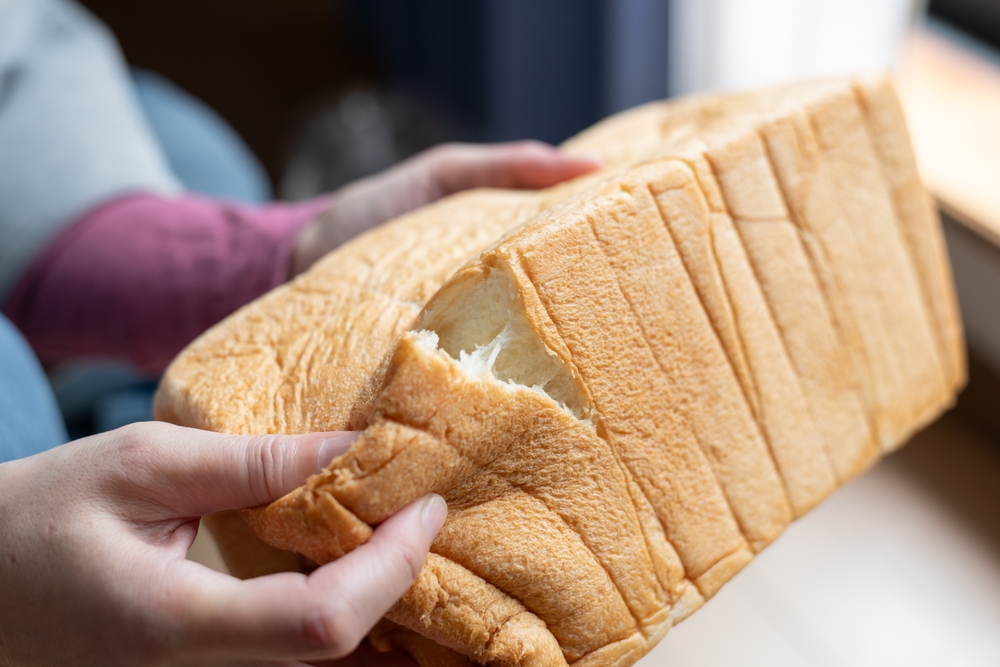
For many people with irritable bowel syndrome, certain foods seem to trigger symptoms almost immediately. Bread is one of the most commonly questioned foods, especially when bloating, abdominal discomfort, or digestive changes appear after eating.
Is bread bad for irritable bowel syndrome?
For some individuals, yes. Certain types of bread may worsen IBS symptoms due to ingredients such as gluten, fermentable carbohydrates, preservatives, or added sugars. However, not every person with IBS reacts to bread the same way. Understanding how IBS works and why some bread ingredients can be bad for irritable bowel syndrome may help explain why digestive reactions occur.
What Is IBS?
Irritable bowel syndrome, commonly called IBS, is a chronic digestive condition that affects how the gastrointestinal tract functions. IBS is considered a functional gastrointestinal disorder, meaning symptoms arise from disruptions in gut function rather than obvious structural damage.
People with IBS commonly experience:
- Abdominal pain
- Bloating
- Gas
- Constipation
- Diarrhea
- Food sensitivities
- Changes in bowel habits
Symptoms often fluctuate over time and may worsen after eating certain foods or during periods of stress.
How IBS Works in the Body
IBS involves complex interactions between the digestive system, nervous system, gut bacteria, and immune signaling. Several mechanisms are believed to contribute to symptoms:
1. Gut–Brain Axis Dysregulation
The gut and brain constantly communicate through the nervous system. Stress and nervous system activation can affect:
- Digestion
- Gut motility
- Pain sensitivity
- Inflammation
This connection is one reason stress can worsen digestive symptoms.
2. Increased Gut Sensitivity
Many people with IBS have heightened sensitivity within the digestive tract. This means that normal digestive processes, such as gas production or intestinal stretching, may feel painful or uncomfortable.
3. Altered Gut Motility
IBS can affect how quickly food moves through the intestines. This may lead to:
- Constipation
- Diarrhea
- Cramping
- Pressure and bloating
4. Gut Microbiome Imbalances
The gut microbiome consists of trillions of bacteria that help regulate digestion, immunity, and inflammation. Imbalances in gut bacteria may contribute to:
- Bloating
- Gas
- Food sensitivities
- Irregular digestion
Research on the microbiome continues to expand rapidly, especially as more connections are discovered between gut health and overall health.
Why Bread Can Trigger IBS Symptoms
Bread itself is not automatically bad for everyone with irritable bowel syndrome. However, several components commonly found in bread may trigger digestive symptoms in susceptible individuals:
1. Gluten Sensitivity
Gluten is a protein found in wheat, barley, and rye. Some people with IBS may experience digestive symptoms after consuming foods with gluten, even if they do not have celiac disease.
Possible symptoms include:
- Bloating
- Abdominal pain
- Gas
- Diarrhea
- Fatigue after eating
In some cases, the reaction may involve immune activation or increased intestinal sensitivity.
2. FODMAP Carbohydrates
Many breads contain fermentable carbohydrates called FODMAPs. These carbohydrates are poorly absorbed in some individuals and can ferment inside the intestines, producing excess gas and pressure. This fermentation may lead to:
- Bloating
- Cramping
- Gas
- Abdominal discomfort
- Changes in bowel habits
In this case, yes, bread can be bad for irritable bowel syndrome.
3. Refined Flour and Processed Ingredients
Highly processed breads often contain ingredients that may irritate digestion or contribute to inflammation in sensitive individuals. These may include:
- Refined flour
- Preservatives
- Artificial additives
- Emulsifiers
- Added sugars
Some processed ingredients may alter gut bacteria balance or increase digestive irritation.
4. Yeast and Fermentation Reactions
Certain people with IBS may react poorly to products containing yeast or fermentation byproducts. This can contribute to:
- Gas production
- Bloating
- Digestive discomfort
Although not everyone is sensitive to yeast, it may be a contributing factor for some individuals.
5. Blood Sugar and Inflammation
Highly refined breads can be bad for irritable bowel syndrome because they cause rapid spikes in blood sugar levels. Over time, diets high in processed carbohydrates may contribute to:
- Increased inflammation
- Gut microbiome imbalance
- Energy crashes
- Appetite dysregulation
Inflammation and gut health are closely connected, particularly in individuals already experiencing digestive dysfunction.
Does This Mean You Should Avoid Bread Completely?
Bread isn’t equally bad for everyone with irritable bowel syndrome. IBS triggers vary significantly from person to person. Some individuals tolerate certain breads well, while others notice major symptom flare-ups. Factors that may influence tolerance include:
- Type of bread
- Gluten content
- Fiber content
- Degree of processing
- Portion size
- Overall gut health
For example, some people tolerate sourdough bread, gluten-free bread, and minimally processed breads better than heavily processed commercial products. This is one reason embracing individualized care is important, rather than assuming one diet works for everyone.
The Importance of Gut Health in IBS
Digestive health affects far more than just digestion. In 2026, research continues to show strong connections between the gut and:
- Immune function
- Inflammation
- Hormonal balance
- Nervous system regulation
- Mood and mental health
- Chronic disease risk
When gut function becomes disrupted, symptoms may extend beyond occasional stomach discomfort. Chronic digestive dysfunction can affect energy, sleep, stress tolerance, focus, and overall well-being. Addressing gut health earlier rather than later may help prevent ongoing symptom progression and improve quality of life.
Hope for Healing: Personalized Gut Care for IBS
If bread and other foods seem to trigger ongoing digestive symptoms, working with practitioners who take a broader, individualized approach to gut health can make a significant difference.
At Hope for Healing, Dr. K and her team focus on identifying and addressing the underlying contributors to chronic digestive dysfunction rather than simply masking symptoms temporarily. Their approach to IBS care includes evaluating the larger picture of gut health, inflammation, food sensitivities, and digestive regulation.
Care may include:
- Comprehensive symptom evaluation
- Personalized treatment planning
- Functional medicine perspectives on digestion
- Nutritional and lifestyle guidance
- Root-cause investigation of chronic gut symptoms
- Ongoing support and monitoring
As research on the gut continues to evolve, individualized digestive care becomes increasingly important for long-term health and symptom management. If you are ready to explore a more comprehensive approach to IBS and gut health, you can learn more here:
Conclusion: Is Bread Bad for Irritable Bowel Syndrome?
Bread can be bad for some individuals with irritable bowel syndrome due to ingredients such as gluten, fermentable carbohydrates, processed additives, yeast, and refined flour. However, reactions vary significantly from person to person, which is why understanding individual triggers and overall gut health is important.
As our understanding of the gut continues to expand in 2026, more connections are being discovered among digestion, inflammation, immunity, and overall well-being. For individuals struggling with IBS symptoms related to food, bloating, or digestive discomfort, a more personalized and root-cause approach to gut care may help provide greater clarity and long-term support.If you are struggling with irritable bowel syndrome and experiencing bread triggers, schedule with Hope for Healing today for root-cause care!


