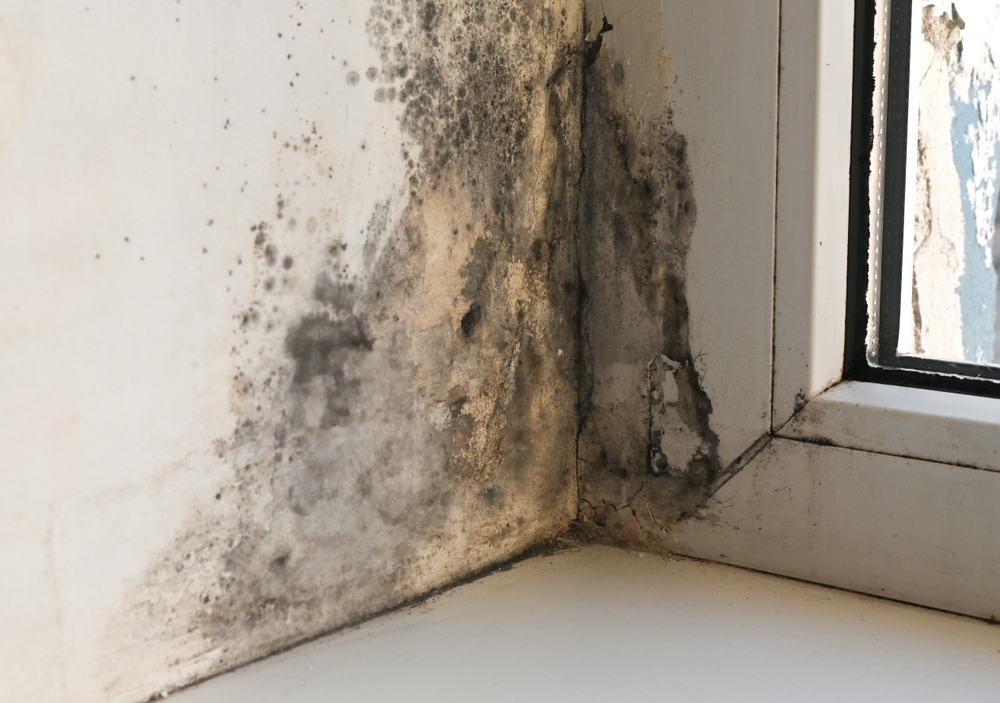
Can Breathing in Mold Cause Sinus Infection?

If you’ve ever dealt with persistent sinus pressure, congestion, or recurring infections that never fully resolve, you may have wondered: Can breathing in mold cause sinus infection?

The short answer is yes. Breathing in mold can contribute to sinus infections and chronic sinus inflammation, especially when exposure is ongoing or occurs in a water-damaged indoor environment. In some cases, mold exposure can also contribute to deeper immune dysfunction and chronic inflammatory conditions such as CIRS (chronic inflammatory response syndrome).

What Is Mold?

Mold is a type of fungus that exists naturally in the environment. Outdoors, it plays an important ecological role by breaking down organic matter such as leaves and wood.

Problems arise when mold grows indoors, where it can become concentrated and persistent. Indoor mold typically develops in environments with:

  • Excess moisture or humidity
  • Water leaks or flooding
  • Poor ventilation
  • Organic building materials such as drywall or wood

When mold grows, it releases tiny reproductive particles called spores. These spores become airborne and can circulate through indoor air, especially in enclosed spaces. Because spores are microscopic and lightweight, they are easily inhaled into the respiratory system.

How Mold Enters the Body

Breathing is the primary route of mold exposure. When mold spores are present in the air, they can enter the body through:

  • Inhalation into the nose, sinuses, and lungs
  • Contact with mucous membranes in the eyes and throat
  • Ingestion of particles that settle on food or surfaces

Once inhaled, mold spores interact with the upper respiratory system, particularly the nasal passages and sinuses. From there, they may continue deeper into the lungs.

For most healthy individuals, the immune system clears these particles efficiently. However, with repeated or high-level exposure, the immune response can become overwhelmed or dysregulated.

Can Breathing in Mold Cause Sinus Infection?

Yes, breathing in mold can contribute to sinus infections and chronic sinus inflammation. When mold spores are inhaled, they irritate the delicate lining of the nasal passages and sinuses. This triggers an immune response designed to eliminate foreign particles.

In the short term, this may cause symptoms such as the following:

  • Sneezing
  • Nasal congestion
  • Runny nose
  • Sinus pressure
  • Post-nasal drip

However, with ongoing exposure, the immune system can remain in a constant state of activation. This chronic inflammation can lead to swelling and blockage of the sinus passages, creating an environment where bacteria and fungi can accumulate.

This is how breathing in mold can indirectly contribute to sinus infections:

  • Inflammation narrows sinus drainage pathways
  • Mucus becomes trapped and thickened
  • Immune function becomes impaired locally
  • Secondary bacterial infections can develop

Over time, this cycle can lead to recurrent or chronic sinus infections that do not fully resolve with standard treatments.

How Mold Affects the Sinuses

The sinuses are air-filled cavities lined with mucous membranes designed to filter and humidify air. They are highly sensitive to airborne irritants. When mold spores are consistently breathed in, they can cause the following symptoms:

Chronic Inflammation

The immune system responds to mold spores by releasing inflammatory chemicals. This leads to swelling of sinus tissues, which restricts airflow and drainage.

Mucus Overproduction

To trap and eliminate irritants, the body increases mucus production. While protective, this can lead to congestion when drainage is impaired.

Impaired Clearance

Normally, tiny hair-like structures called cilia help move mucus out of the sinuses. Chronic inflammation can impair this process, leading to stagnation.

Increased Infection Risk

When mucus becomes trapped and airflow is restricted, bacteria can grow more easily, increasing the risk of sinus infections.

What Mold Does to the Lungs

While the sinuses are often the first area affected, breathing in mold can also impact the lungs. When inhaled deeply, mold spores and fragments can reach the lower respiratory tract, where they may trigger additional immune responses.

In the lungs, mold exposure can cause:

  • Airway inflammation
  • Bronchial irritation
  • Coughing or wheezing
  • Shortness of breath
  • Increased sensitivity to environmental triggers

In individuals with heightened immune reactivity, this inflammation can become chronic and contribute to ongoing respiratory symptoms.

Long-term exposure may also worsen conditions such as asthma or lead to persistent airway hypersensitivity.

Mold, Sinus Infections, and the Immune System

Breathing in mold does not just cause sinus infections. It can influence the immune system as a whole. Ongoing exposure can lead to:

  • Immune system overactivation
  • Reduced ability to clear pathogens
  • Increased inflammatory signaling
  • Heightened sensitivity to environmental triggers

When this immune dysregulation becomes systemic, it may contribute to broader chronic illness patterns beyond sinus symptoms alone.

What Is CIRS?

In more severe cases of mold exposure, the body may develop a condition known as chronic inflammatory response syndrome (CIRS).

Chronic inflammatory response syndrome is a multi-system condition triggered by biotoxin exposure, most commonly from water-damaged buildings and mold. In CIRS, the immune system becomes stuck in a persistent inflammatory state, unable to properly regulate or shut down its response. This can affect:

  • Sinuses and respiratory system
  • Brain and cognitive function
  • Hormonal balance
  • Energy production
  • Musculoskeletal system

Sinus issues are often one of the earliest and most persistent symptoms in individuals with mold-related CIRS.

How to Reduce Mold Exposure

Reducing exposure is a key step in improving sinus and respiratory health. Helpful strategies include the following:

  • Fixing water leaks immediately
  • Maintaining indoor humidity below 50%
  • Using HEPA air filtration systems
  • Cleaning HVAC systems and replacing filters regularly
  • Improving ventilation in high-moisture areas
  • Removing water-damaged materials when necessary

While environmental control is important, it is often only one part of recovery in chronic cases.

Hope for Healing: A Root-Cause Approach to Mold-Related Illness

If you are experiencing chronic sinus infections, congestion, or respiratory symptoms that do not fully resolve, breathing in mold may be an underlying factor. At Hope for Healing, the focus is on identifying and addressing the root causes of chronic inflammatory conditions, including mold-related illness and CIRS.

Our approach helps patients:

  • Evaluate potential mold exposure sources
  • Determine whether CIRS may be present
  • Interpret specialized functional lab testing
  • Develop a structured, individualized care plan

Because mold-related sinus and immune issues are often missed in conventional care, a functional medicine framework can provide clarity and direction when symptoms feel persistent or unexplained.

You can learn more about our mold and CIRS care pathway here: https://get2theroot.com/mold-cirs.

Can Exposure to Mold Cause Sinus Infections?

Breathing in mold can contribute to sinus infections by triggering chronic inflammation in the nasal passages and sinuses. Over time, repeated exposure can impair mucus drainage, weaken local immune defenses, and create an environment where infections are more likely to develop.

Breathing in mold can also extend beyond the sinuses, affecting the lungs and contributing to systemic inflammation in more sensitive individuals. In chronic cases, this process may be part of a larger condition such as CIRS, where the immune system becomes dysregulated and inflammation persists throughout the body.

Because mold-related illness is often overlooked in conventional care, addressing both environmental exposure and immune dysfunction is essential. A functional medicine approach can help identify root causes and guide a more comprehensive path toward recovery and long-term symptom relief.For a functional medicine approach to mold care, visit Hope for Healing today: https://get2theroot.com/mold-cirs.
Can Mold Spores in Vents Cause Inflammation?

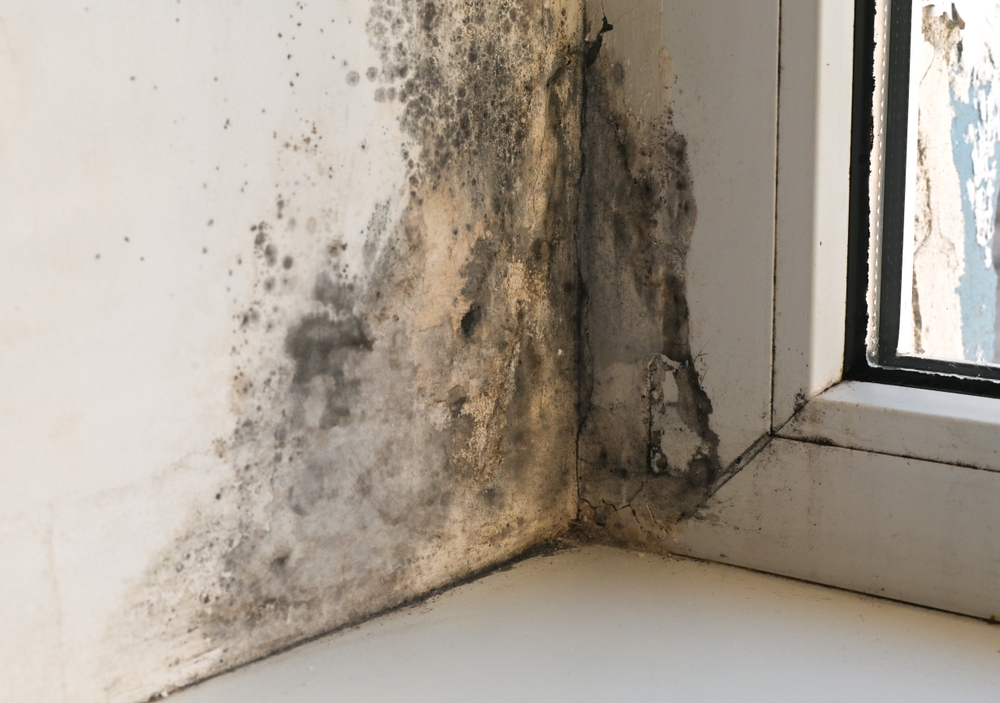
If you’ve ever noticed a musty smell when your air conditioning or heat kicks on, you may need to check for mold and consider a key question: Can mold spores in vents cause inflammation in the body?

The short answer to this question is yes. Mold spores circulating through HVAC systems and vents can contribute to inflammation in the body, especially with ongoing exposure. For some individuals, this exposure may even play a role in chronic inflammatory conditions such as chronic inflammatory response syndrome (CIRS).

What Are Mold Spores?

Mold spores are microscopic reproductive particles released by mold colonies. They are extremely small, lightweight, and designed to travel through air.

Mold exists both indoors and outdoors, but problems begin when spores find the right environments indoors, which are typically areas with moisture and organic material such as dust, drywall, or insulation.

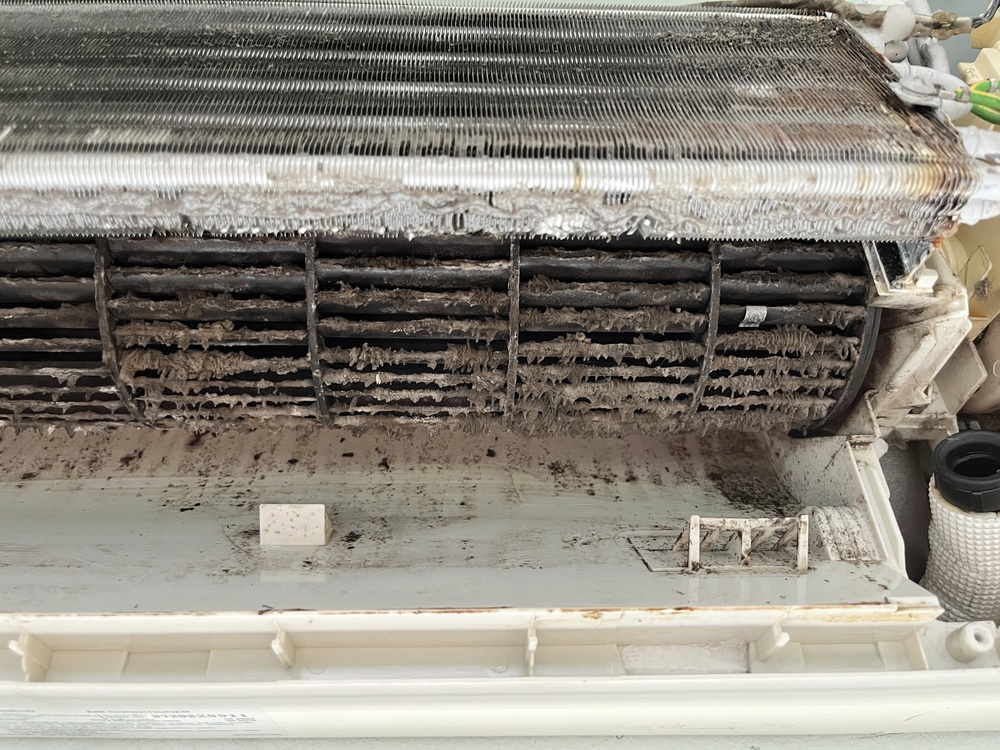
Inside HVAC systems, spores can easily settle and multiply because vents often contain:

  • Condensation from cooling systems
  • Dust and organic debris
  • Warm, humid airflow cycles
  • Hidden moisture from leaks or poor drainage

Once mold begins growing inside ducts or vents, the HVAC system can distribute spores throughout the entire home every time air flows.

Average Mold Levels in Homes

It is important to understand that mold is not always abnormal in small amounts. In fact, mold spores are naturally present in most environments, including indoor air. In a typical home:

  • Mold spores are present at low levels from outdoor air infiltration
  • Normal ventilation allows some spores to enter and exit naturally
  • Small, controlled levels are generally not harmful for most people

However, problems arise when conditions allow mold to grow indoors. What shifts mold from “normal presence” to “health concern” is not just exposure; it is amplification inside the home.

When Mold Becomes a Problem in Homes

Mold becomes more concerning when indoor conditions allow it to grow unchecked. That’s when mold spores circulating through vents may cause inflammation in the body. Situations where mold exposure becomes excessive include the following:

1. Water Damage or Leaks

Even small leaks in roofs, pipes, or walls can create hidden moisture pockets that support mold growth behind surfaces or inside HVAC systems.

2. High Humidity Environments

Humidity levels above 50% can significantly increase the risk of mold growth, especially in enclosed areas such as ducts.

3. Poor Ventilation

Without proper airflow, moisture becomes trapped, allowing mold colonies to develop and spread.

4. Neglected HVAC Maintenance

Dirty air filters, clogged drainage pans, or unserviced coils can create ideal conditions for mold growth inside vents.

When these conditions are present, mold can shift from a background environmental exposure to a chronic indoor pollutant.

How Mold Spores Enter the Body

When mold spores circulate through vents, they become part of the indoor air people breathe continuously. Exposure happens primarily through:

  • Inhalation into the lungs and sinuses
  • Contact with mucous membranes (eyes, nose, throat)
  • Ingestion of airborne particles that settle on food or surfaces

Once inhaled, spores interact with the respiratory system first. From there, they can trigger immune responses that extend beyond the lungs.

In a healthy immune system, spores are typically neutralized and cleared. However, repeated exposure, especially in poorly ventilated or water-damaged buildings, can lead to chronic immune activation.

Can Mold Spores in Vents Cause Inflammation?

Yes, mold spores in vents can cause inflammation in the body.

When the immune system detects mold spores or fragments, it activates inflammatory pathways to defend against them. This is a normal protective response in the short term.

However, when exposure is ongoing, such as breathing contaminated air from HVAC systems, the immune system may remain in a constant state of activation. This chronic immune response can lead to systemic inflammation affecting multiple areas of the body:

  • Respiratory system → congestion, coughing, airway irritation
  • Brain and nervous system → brain fog, headaches, fatigue
  • Immune system → hypersensitivity reactions, chronic immune activation
  • Musculoskeletal system → body aches, stiffness
  • Sinus and ENT system → chronic sinus pressure or infections

Over time, this inflammatory burden can become difficult for the body to regulate on its own. This makes it crucial to regularly purge mold spores from vents to reduce inflammatory risk.

What Is CIRS?

Chronic inflammatory response syndrome (CIRS) is a chronic condition where the body fails to properly regulate its immune response to biotoxins, including mold exposure. Instead of clearing these toxins efficiently, the immune system remains stuck in a cycle of inflammation. This results in a multi-system illness that can affect:

  • Neurological function
  • Hormonal regulation
  • Immune balance
  • Energy production
  • Metabolic processes

CIRS is often associated with exposure to water-damaged buildings where mold spores and mycotoxins circulate through air systems such as HVAC vents.

Why Functional Medicine Is Often Needed

Mold-related inflammation and CIRS are complex because they involve multiple interacting systems in the body. Conventional approaches often focus on symptom management, but they do not always address the root cause of immune dysregulation.

Functional medicine takes a different approach by focusing on:

  • Identifying ongoing environmental exposure
  • Evaluating inflammatory and immune markers
  • Supporting detoxification pathways
  • Restoring hormonal and metabolic balance
  • Reducing the body’s inflammatory burden

Because mold exposure can affect the immune system at a systemic level, addressing it often requires a comprehensive, individualized strategy rather than a one-size-fits-all treatment plan.

Prevention Tips for Mold in Vents and Indoors

Reducing exposure begins with controlling the environment where mold grows. To guard against inflammation from mold spores circulating in your vents, try the following strategies:

Control Moisture

  • Keep indoor humidity below 50%
  • Fix leaks quickly
  • Use dehumidifiers in damp areas

Maintain HVAC Systems

  • Replace air filters regularly
  • Schedule routine duct inspections
  • Ensure proper drainage in AC units
  • Clean coils and drip pans when needed

Improve Ventilation

  • Use exhaust fans in bathrooms and kitchens
  • Increase airflow in enclosed spaces
  • Avoid blocking air returns or vents

Clean and Monitor Indoor Air

  • Address musty odors early
  • Inspect vents and filters regularly
  • Avoid long-term damp conditions in basements or crawl spaces

Hope for Healing: Root-Cause Mold and CIRS Care

If you are experiencing persistent symptoms such as fatigue, brain fog, sinus issues, or unexplained inflammation, mold spore exposure from vents may be part of a larger underlying issue.

At Hope for Healing, the focus is on identifying and addressing root causes of chronic illness, including mold-related inflammatory conditions and CIRS.

Our approach helps patients:

  • Evaluate whether mold exposure is contributing to symptoms
  • Assess for possible CIRS involvement
  • Interpret specialized lab testing in context
  • Develop a structured, individualized recovery plan

Because mold-related illness is often missed in conventional care, a functional medicine framework can provide clarity and direction when symptoms feel confusing or unexplained.

You can learn more about Hope for Healing’s specialized mold and CIRS care pathway here: https://get2theroot.com/mold-cirs

Summary: Mold Spores in Vents and Inflammation

Mold spores in vents can absolutely cause inflammation in the body, especially when exposure is ongoing and inhaled daily through indoor air systems. While small amounts of mold are naturally present in most environments, problems arise when HVAC systems allow mold to grow and continuously circulate spores throughout a home.

For some individuals, this exposure can lead to chronic immune activation and systemic inflammation, potentially contributing to conditions such as CIRS. Because symptoms often overlap with other health issues and are not always detected through standard testing, mold-related illness is frequently underrecognized.

Addressing the root cause, including environmental exposure and immune dysfunction, is essential for reducing inflammation and restoring health. Functional medicine provides a structured approach to identifying these hidden drivers and supporting the body’s recovery process.For functional medicine care for mold exposure, inflammation, and CIRS, schedule with Hope for Healing today: https://get2theroot.com/mold-cirs

Can Mold Cause Inflammation in the Body?

For many people dealing with unexplained fatigue, brain fog, or chronic illness, one unexpected question may be relevant: Can mold cause inflammation in the body?

The short answer is yes. Mold exposure can trigger a significant inflammatory response in the body, especially in individuals who are genetically or biologically susceptible. In some cases, this inflammation caused by mold becomes chronic and leads to a condition known as chronic inflammatory response syndrome (CIRS), which can explain symptoms such as fatigue, brain fog, or chronic illness.

What Is Mold?

Mold is a type of fungus that exists naturally in the environment. It plays an important role in breaking down organic material outdoors, but problems arise when mold grows indoors.

Indoor mold typically develops in damp or water-damaged environments such as the following:

  • Leaky roofs or plumbing
  • Flooded basements
  • Poor ventilation areas such as bathrooms
  • HVAC systems with moisture buildup

When mold grows indoors, it releases microscopic particles called spores, along with volatile organic compounds (MVOCs) and mycotoxins. These particles can become airborne and circulate through indoor air systems, making them easy to inhale or ingest over time.

Can Mold Cause Inflammation in the Body?

Yes, mold can cause inflammation in the body, particularly when exposure is prolonged or repeated.

When mold particles or mycotoxins enter the body, the immune system identifies them as threats. This activates inflammatory pathways designed to protect the body. In the short term, this response is helpful. In the long term, however, continuous exposure can lead to chronic immune activation. This inflammatory response can affect multiple systems:

  • Brain and nervous system
  • Respiratory system
  • Hormonal regulation
  • Digestive system
  • Musculoskeletal system

Instead of shutting off after the threat is removed, the immune system may remain in a heightened state of activation, producing ongoing inflammation even after leaving the exposure environment.

How Mold-Driven Inflammation Affects the Body

Once inflammation becomes chronic, it can begin to disrupt normal biological function. This is not limited to one organ system. It is a whole-body process.

Neurological Effects

Inflammation in the brain can lead to:

  • Brain fog
  • Memory issues
  • Difficulty concentrating
  • Sensitivity to light or sound

This happens because inflammatory cytokines affect communication between neurons and alter normal brain signaling.

Immune System Dysregulation

Instead of responding appropriately to threats, the immune system may become overactive or unbalanced. This can result in:

  • Frequent illness
  • Allergic-type reactions
  • Chronic fatigue
  • Persistent low-grade inflammation

Hormonal and Metabolic Disruption

Inflammation caused by mold in the body can interfere with hormonal signaling pathways, including those that regulate:

  • Energy production
  • Stress response
  • Appetite and metabolism

This is one reason people with mold exposure often feel exhausted despite normal lab work.

Respiratory and Sinus Symptoms

Because mold is often inhaled, the respiratory system is one of the first affected areas. Symptoms may include the following:

  • Chronic congestion
  • Sinus pressure
  • Cough or throat irritation
  • Shortness of breath

In some cases, these symptoms persist even after you leave the moldy environment.

How CIRS Develops from Mold Exposure

Chronic inflammatory response syndrome (CIRS) is a condition that occurs when the body cannot properly regulate its inflammatory response to biotoxins such as mold. But not everyone exposed to mold develops CIRS. The difference often comes down to genetics, immune function, and detoxification capacity. In susceptible individuals:

  • The immune system fails to properly recognize and eliminate biotoxins
  • Inflammatory pathways remain active long after exposure
  • Regulatory systems that normally reduce inflammation become impaired

This leads to a cycle where mold causes inflammation in the body that continues even in the absence of ongoing exposure. Over time, this can affect nearly every bodily system and create complex, multi-symptom illness.

Why Mold-Related Inflammation Is Often Missed

One of the biggest challenges with mold-related inflammation and CIRS in the body is that it is frequently overlooked in conventional medical settings. There are several reasons for this:

1. Symptoms Overlap with Other Conditions

Mold-related inflammation in the body can mimic:

  • Chronic fatigue syndrome
  • Fibromyalgia
  • Anxiety or depression
  • Autoimmune disorders

Because symptoms are non-specific, patients are often treated symptom-by-symptom without addressing the root cause.

2. Standard Lab Tests May Appear Normal

Routine blood work often fails to detect inflammatory dysfunction caused by mold exposure. This can lead to patients being told that “everything looks normal” despite ongoing symptoms.

3. Environmental Exposure Is Hard to Identify

Mold is not always visible. Many people are unaware they are being exposed, especially in buildings with hidden water damage or poor ventilation systems.

4. Lack of Awareness Persists in Conventional Medicine

CIRS is not universally recognized in mainstream diagnostic frameworks, which means many clinicians are not trained to identify or treat it.

How to Begin Addressing Mold-Related Inflammation

If you suspect mold exposure may be causing inflammation in your body, the first step is not to guess or self-diagnose, but to undergo a structured evaluation. A comprehensive approach typically includes the following aspects:

  • Environmental exposure history
  • Symptom pattern analysis
  • Targeted lab testing
  • Assessment of inflammatory response
  • Evaluation of immune system function

This type of structured assessment helps determine whether mold exposure and CIRS may be contributing to chronic symptoms.

Hope for Healing: A Root-Cause Approach to Mold and CIRS

At Hope for Healing, the focus is on identifying and addressing the root drivers of chronic inflammatory conditions rather than simply managing symptoms.

Our approach is designed to help patients:

  • Identify potential mold and biotoxin exposure
  • Evaluate whether CIRS is contributing to symptoms
  • Interpret specialized functional lab testing
  • Build a step-by-step plan to reduce inflammation and restore balance

Because mold-related illness is complex and often missed in conventional care, having a structured, functional medicine–based roadmap can make a significant difference in understanding what is happening in the body.

If you are ready to explore whether mold exposure and CIRS may be affecting your health, you can learn more about Hope for Healing’s specialized care pathway here: https://get2theroot.com/mold-cirs

Summary: Mold Exposure and Inflammation

Mold exposure can absolutely cause inflammation in the body, especially when exposure is ongoing or the immune system is unable to properly regulate its response. In some individuals, this inflammation becomes chronic and develops into CIRS, a complex condition that affects multiple bodily systems.

Because symptoms often overlap with other conditions and standard testing may not detect the issue, mold-related illness is frequently overlooked in conventional medicine. This is why a functional medicine approach is often necessary to identify the root cause and guide effective treatment.By addressing exposure, immune dysfunction, and inflammation together, it becomes possible to move beyond symptom management and work toward true recovery and long-term healing. Schedule with Hope for Healing for functional medicine care of CIRS and other related conditions today: https://get2theroot.com/mold-cirs.

How to Lose Weight with CIRS

Trying to lose weight while dealing with chronic illness can feel discouraging, especially when you’re doing “everything right” and still not seeing results. For individuals with chronic inflammatory response syndrome (CIRS), this experience is extremely common.

How do you lose weight with CIRS?

The short answer is that weight loss with CIRS is not just about calories, exercise, or willpower. It requires addressing the underlying inflammation and immune dysfunction that disrupt normal metabolism.

What Is CIRS?

CIRS, or chronic inflammatory response syndrome, is a condition driven by a dysregulated immune response to biotoxins. These toxins most often come from water-damaged buildings and mold exposure, but they can also originate from sources such as tick-borne infections or environmental contaminants.

Rather than clearing these toxins effectively, the immune system becomes stuck in a prolonged inflammatory state. This leads to widespread dysfunction across multiple systems in the body: the brain, hormones, metabolism, immune system, and more.

How CIRS Works

At its core, CIRS is an issue of immune system regulation. When exposed to biotoxins, the body should neutralize and eliminate them. In individuals with certain genetic predispositions, this process does not work properly. Instead:

  • The immune system fails to clear toxins effectively
  • Inflammatory pathways remain chronically activated
  • Hormonal signaling becomes disrupted
  • Neurological and metabolic regulation becomes impaired

This results in a persistent inflammatory cascade that affects multiple organ systems simultaneously.

Unlike short-term inflammation that resolves after healing, CIRS creates a long-term, self-perpetuating inflammatory cycle.

How Inflammation Affects Weight Loss

One of the most overlooked aspects of CIRS is how deeply inflammation impacts metabolism and weight regulation. Chronic inflammation changes how the body processes energy, stores fat, and regulates hunger through the following mechanisms:

1. Insulin Resistance

Inflammation interferes with insulin signaling, making it harder for cells to use glucose effectively. When this happens:

  • Blood sugar stays elevated
  • The body produces more insulin
  • Excess energy is stored as fat

This creates an environment where fat storage is favored over fat burning.

2. Hormonal Disruption (Leptin and Appetite)

Inflammation also affects hormones that regulate hunger and fullness, particularly leptin. Under normal conditions, leptin signals when you’ve eaten enough. But in a chronically inflamed state, the body can become resistant to leptin. This leads to:

  • Increased hunger
  • Cravings, especially for high-calorie foods
  • Difficulty feeling full

Even with disciplined eating, this hormonal disruption can make weight loss with CIRS feel nearly impossible.

3. Slowed Metabolism

Chronic inflammation shifts the body into a protective, energy-conserving state. Instead of efficiently burning calories, the body:

  • Uses less energy at rest
  • Prioritizes fat storage
  • Struggles to access stored fat for fuel

This phenomenon is sometimes referred to as “metabolic dysfunction,” where the body is no longer operating in a balanced, efficient way.

4. Chronic Fatigue and Reduced Activity

CIRS often comes with significant fatigue.

When energy is low:

  • Physical activity decreases
  • Recovery from exercise is impaired
  • Consistency becomes difficult

This is not a motivation issue. It is a physiological limitation driven by inflammation and immune dysregulation.

5. A Vicious Cycle

Inflammation and weight gain often reinforce each other. Inflammation can:

  • Increase fat storage
  • Disrupt metabolism
  • Increase appetite

At the same time, excess fat tissue can release inflammatory molecules, further worsening inflammation. This creates a feedback loop that makes weight loss with CIRS progressively harder.

How to Lose Weight with CIRS

Weight loss with CIRS requires a different approach. Instead of forcing the body to lose weight, the goal is to create conditions where the body can function normally again. This can be achieved through the following methods:

1. Address the Root Cause of Inflammation

The most important step is identifying and removing ongoing exposure to biotoxins.

This may include:

  • Mold exposure in the home or workplace
  • Lingering environmental toxins
  • Untreated infections

Without removing the trigger, inflammation will continue.

2. Support Detoxification and Immune Regulation

Because CIRS involves impaired toxin clearance, supporting the body’s ability to process and eliminate toxins is essential. This must be done carefully and strategically, as aggressive detox approaches can worsen symptoms if not guided properly.

3. Restore Hormonal and Metabolic Balance

As inflammation decreases, the body begins to rebalance:

  • Insulin sensitivity improves
  • Appetite regulation normalizes
  • Energy levels increase

This is when sustainable weight loss with CIRS becomes possible.

4. Focus on Anti-Inflammatory Nutrition

Nutrition still matters, but the focus shifts from restriction to reducing inflammation. This typically includes:

  • Whole, unprocessed foods
  • Adequate protein and healthy fats
  • Minimizing refined sugars and processed foods

Chronic inflammation is strongly influenced by dietary patterns, and reducing inflammatory foods can support metabolic recovery.

5. Practice Gradual, Sustainable Movement

Exercise should support healing, not stress the system. For many individuals with CIRS, this means:

  • Starting with low-intensity movement
  • Prioritizing consistency over intensity
  • Adjusting based on energy levels

As inflammation improves, the body becomes more resilient to increased activity.

Hope for Healing: A Root-Cause Approach to CIRS and Weight Loss

If you’ve been struggling to lose weight despite consistent effort, it may not be a lack of discipline. It may be a sign that your body is dealing with deeper dysfunction.

This is where Hope for Healing provides a different path forward. Rather than focusing only on weight loss, our approach centers on identifying and addressing the root causes of chronic inflammation, including complex conditions such as CIRS.

At Hope for Healing, the process is structured and individualized, helping you:

  • Determine whether CIRS is contributing to your symptoms
  • Identify sources of ongoing inflammation or exposure
  • Interpret specialized lab testing in context
  • Build a personalized plan to restore metabolic balance

This approach recognizes that sustainable weight loss with CIRS is not something you force. It is something that happens when the body is functioning properly again.

If you are ready to move beyond surface-level solutions and address the deeper drivers of your symptoms, you can explore our CIRS care pathway here: https://get2theroot.com/cirs-roadmap.

How to Lose Weight with CIRS

Weight loss with CIRS can feel confusing and discouraging, especially when traditional approaches fail to produce results. This is because the challenge is not simply about calories or exercise, but about an underlying inflammatory process that disrupts how the body regulates energy, hormones, and metabolism.

Until that inflammation is addressed, the body often remains in a state that resists weight loss. This is why many people with CIRS find that progress only begins when they shift their focus from weight loss itself to restoring overall physiological balance.

By identifying biotoxin exposure, reducing inflammation, and supporting the body’s natural regulatory systems, it becomes possible to create the conditions where weight loss can occur more naturally and sustainably.For those navigating this process, having a clear, structured approach can make a significant difference. With the right guidance, what once felt like an uphill battle can become a more predictable and manageable path forward. Schedule with Hope for Healing today with CIRS weight loss guidance: https://get2theroot.com/cirs-roadmap.

How Is CIRS Diagnosed? Understanding Chronic Inflammatory Response Syndrome

Chronic illness that doesn’t quite “fit” a diagnosis can be frustrating, confusing, and often dismissed. One condition that sits in this gray area is chronic inflammatory response syndrome (CIRS), a multi-system illness that is often not identified.

How is CIRS diagnosed? The short answer: There is no single test. Instead, CIRS diagnosis relies on a multi-step process combining symptoms, exposure history, and specialized lab markers.

What Is CIRS?

CIRS (chronic inflammatory response syndrome) is described as a chronic, dysregulated immune response triggered by exposure to biotoxins, most commonly from water-damaged buildings (mold), but also from sources such as Lyme disease or harmful algae.

Unlike a typical infection or allergy, CIRS is not caused by a pathogen actively attacking the body. Instead, it is a failure of the immune system to properly process and eliminate toxins, leading to ongoing inflammation.

This creates a proliferation of dysfunction across multiple systems, including neurological, hormonal, immune, and metabolic pathways.

How CIRS Functions in the Body

At its core, CIRS is an immune system malfunction.

When a person is exposed to biotoxins (such as mold fragments or bacterial endotoxins), the body is supposed to identify and eliminate them. But in individuals with certain genetic predispositions, this process doesn’t work correctly.

Instead:

  • The immune system fails to clear toxins effectively
  • Inflammatory pathways stay chronically activated
  • Regulatory mechanisms (such as hormones and neuropeptides) become imbalanced

This leads to system-wide inflammation, not just localized symptoms.

How Is CIRS Diagnosed?

Diagnosing CIRS is not straightforward. There is no single definitive test. Instead, practitioners look for a pattern across multiple domains.

1. Exposure History

The first step is identifying whether the patient has been exposed to biotoxins such as the following:

  • Water-damaged buildings (mold exposure)
  • Tick-borne infections (such as Lyme disease)
  • Environmental toxins (e.g., algae blooms)

Without a plausible exposure, CIRS becomes less likely.

2. Symptom Clusters

CIRS is defined by multi-system involvement, not just one or two symptoms. Some diagnostic frameworks require symptoms across multiple categories (often 4+ systems or more). This is important because isolated symptoms (such as fatigue alone) are not enough for CIRS diagnosis.

3. Visual Contrast Sensitivity (VCS) Test

A common early screening tool is the Visual Contrast Sensitivity (VCS) test. This test evaluates how well your brain processes visual information, specifically your ability to distinguish contrast. Impairment may indicate neuroinflammation linked to biotoxin exposure. It’s inexpensive and widely used, but not diagnostic on its own.

4. Blood Biomarkers

One of the most distinctive parts of CIRS diagnosis is a panel of inflammatory and regulatory markers. Common markers include the following:

  • C4a, C3a (immune activation)
  • TGF-beta1 (inflammation signaling)
  • MSH (hormonal regulation)
  • VIP (neuropeptide involved in inflammation control)
  • MMP-9 (inflammatory enzyme)

Abnormal patterns across these markers help support the diagnosis.

5. Genetic Testing (HLA-DR)

Some practitioners test for HLA-DR gene variants, which may indicate susceptibility to biotoxin illness. This doesn’t diagnose CIRS, but it helps explain why certain individuals cannot clear toxins effectively.

6. Environmental Testing

Testing the patient’s home or workplace is often part of the process. Tools include the following:

  • ERMI (Environmental Relative Moldiness Index)
  • HERTSMI-2 (mold scoring system)

These tests help confirm whether ongoing exposure is contributing to illness.

7. Clinical Pattern Recognition

Ultimately, diagnosis comes down to pattern recognition. Practitioners look for alignment between:

  • Symptoms
  • Exposure
  • Lab abnormalities
  • Clinical history

No single piece is enough, meaning it’s the combination that matters.

Why CIRS Is So Difficult to Diagnose

This is a complicated diagnosis process. There are several additional reasons why CIRS diagnosis is challenging:

1. No Universal Medical Consensus

CIRS is not widely accepted as a standardized medical diagnosis in conventional medicine. This means:

  • No universally agreed-upon diagnostic criteria
  • No standardized lab thresholds
  • Limited awareness among traditional physicians

As a result, many patients are misdiagnosed or not diagnosed at all.

2. Symptoms Overlap with Many Conditions

CIRS symptoms are non-specific and widespread. They overlap with:

  • Chronic fatigue syndrome
  • Fibromyalgia
  • Depression/anxiety
  • Autoimmune disorders

Because of this, patients are often treated symptom-by-symptom instead of identifying the root cause.

3. No Single Definitive Test

Unlike diabetes (blood sugar) or hypothyroidism (TSH levels), CIRS has no single confirmatory test. Even advanced labs:

  • Can vary between patients
  • May not always be abnormal
  • Require interpretation in context

This makes CIRS diagnosis subjective and practitioner-dependent.

4. Environmental Factors Are Hard to Measure

Mold and biotoxins are not always visible.

  • A home can look “clean” but still be contaminated
  • Exposure can be intermittent
  • Testing methods vary in accuracy

This makes it difficult to confirm the root trigger with certainty.

5. Genetic Variability

Not everyone exposed to mold develops CIRS. Genetic differences (such as HLA types) mean:

  • One person gets very sick
  • Another remains unaffected

This inconsistency adds to skepticism and diagnostic complexity.

Hope for Healing: A Guided Path Forward

If you’ve been living with unexplained symptoms, inconsistent answers, or the frustration of being told “everything looks normal,” it can start to feel like healing is out of reach. CIRS often leaves people stuck in that space: knowing something is wrong, but not knowing where to turn next.

This is exactly where Hope for Healing is designed to step in.

At Hope for Healing, the focus is not just on symptom management, but on identifying and addressing the root causes of chronic illness, including complex conditions such as CIRS. Our approach recognizes what many patients experience firsthand: that true healing requires looking at the whole picture — environmental exposure, immune dysfunction, lab markers, and individual biology.

Rather than relying on a one-size-fits-all model, our process provides a structured, step-by-step roadmap that helps you:

  • Understand whether CIRS is a likely contributor to your symptoms
  • Navigate the often confusing landscape of testing and diagnosis
  • Interpret labs in the context of your full health history
  • Create a personalized plan to reduce inflammation and restore balance

What sets Hope for Healing apart is our commitment to clarity and guidance in a condition that is often anything but clear. For patients who have felt overlooked or overwhelmed, this kind of direction can be the shift from uncertainty to a plan, and from a plan to real progress.

If you’re ready to move beyond guessing and start pursuing answers with a clear framework, you can explore our CIRS-focused diagnostic and care pathway here:
https://get2theroot.com/cirs-roadmap

Final Summary: How Is CIRS Diagnosed?

CIRS is diagnosed through a multi-factor process, not a single test. Clinicians evaluate a combination of biotoxin exposure, multi-system symptoms, visual testing, inflammatory biomarkers, genetic susceptibility, and environmental assessments to identify a consistent pattern of chronic inflammatory dysfunction.

Because of its complexity and lack of universal recognition, diagnosing CIRS requires careful clinical judgment and specialized testing, making it one of the most challenging chronic conditions to identify accurately.Clinics such as Hope for Healing can provide structured diagnostics to move beyond uncertainty to a plan for root cause healing. Schedule with Hope for Healing today: https://get2theroot.com/cirs-roadmap.

Autism or Mold Toxicity?
Getting to the Root Cause