
Chronic illness that doesn’t quite “fit” a diagnosis can be frustrating, confusing, and often dismissed. One condition that sits in this gray area is chronic inflammatory response syndrome (CIRS), a multi-system illness that is often not identified.
How is CIRS diagnosed? The short answer: There is no single test. Instead, CIRS diagnosis relies on a multi-step process combining symptoms, exposure history, and specialized lab markers.
What Is CIRS?
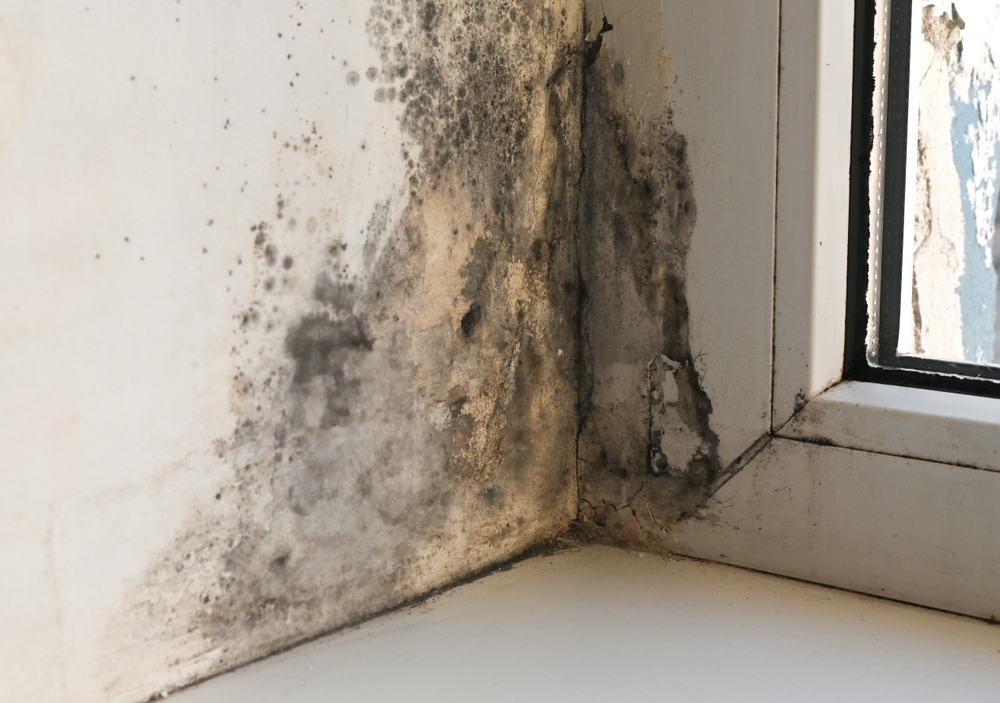
CIRS (chronic inflammatory response syndrome) is described as a chronic, dysregulated immune response triggered by exposure to biotoxins, most commonly from water-damaged buildings (mold), but also from sources such as Lyme disease or harmful algae.
Unlike a typical infection or allergy, CIRS is not caused by a pathogen actively attacking the body. Instead, it is a failure of the immune system to properly process and eliminate toxins, leading to ongoing inflammation.
This creates a proliferation of dysfunction across multiple systems, including neurological, hormonal, immune, and metabolic pathways.
How CIRS Functions in the Body
At its core, CIRS is an immune system malfunction.
When a person is exposed to biotoxins (such as mold fragments or bacterial endotoxins), the body is supposed to identify and eliminate them. But in individuals with certain genetic predispositions, this process doesn’t work correctly.
Instead:
- The immune system fails to clear toxins effectively
- Inflammatory pathways stay chronically activated
- Regulatory mechanisms (such as hormones and neuropeptides) become imbalanced
This leads to system-wide inflammation, not just localized symptoms.
How Is CIRS Diagnosed?
Diagnosing CIRS is not straightforward. There is no single definitive test. Instead, practitioners look for a pattern across multiple domains.
1. Exposure History
The first step is identifying whether the patient has been exposed to biotoxins such as the following:
- Water-damaged buildings (mold exposure)
- Tick-borne infections (such as Lyme disease)
- Environmental toxins (e.g., algae blooms)
Without a plausible exposure, CIRS becomes less likely.
2. Symptom Clusters
CIRS is defined by multi-system involvement, not just one or two symptoms. Some diagnostic frameworks require symptoms across multiple categories (often 4+ systems or more). This is important because isolated symptoms (such as fatigue alone) are not enough for CIRS diagnosis.
3. Visual Contrast Sensitivity (VCS) Test
A common early screening tool is the Visual Contrast Sensitivity (VCS) test. This test evaluates how well your brain processes visual information, specifically your ability to distinguish contrast. Impairment may indicate neuroinflammation linked to biotoxin exposure. It’s inexpensive and widely used, but not diagnostic on its own.
4. Blood Biomarkers
One of the most distinctive parts of CIRS diagnosis is a panel of inflammatory and regulatory markers. Common markers include the following:
- C4a, C3a (immune activation)
- TGF-beta1 (inflammation signaling)
- MSH (hormonal regulation)
- VIP (neuropeptide involved in inflammation control)
- MMP-9 (inflammatory enzyme)
Abnormal patterns across these markers help support the diagnosis.
5. Genetic Testing (HLA-DR)
Some practitioners test for HLA-DR gene variants, which may indicate susceptibility to biotoxin illness. This doesn’t diagnose CIRS, but it helps explain why certain individuals cannot clear toxins effectively.
6. Environmental Testing
Testing the patient’s home or workplace is often part of the process. Tools include the following:
- ERMI (Environmental Relative Moldiness Index)
- HERTSMI-2 (mold scoring system)
These tests help confirm whether ongoing exposure is contributing to illness.
7. Clinical Pattern Recognition
Ultimately, diagnosis comes down to pattern recognition. Practitioners look for alignment between:
- Symptoms
- Exposure
- Lab abnormalities
- Clinical history
No single piece is enough, meaning it’s the combination that matters.
Why CIRS Is So Difficult to Diagnose
This is a complicated diagnosis process. There are several additional reasons why CIRS diagnosis is challenging:
1. No Universal Medical Consensus
CIRS is not widely accepted as a standardized medical diagnosis in conventional medicine. This means:
- No universally agreed-upon diagnostic criteria
- No standardized lab thresholds
- Limited awareness among traditional physicians
As a result, many patients are misdiagnosed or not diagnosed at all.
2. Symptoms Overlap with Many Conditions
CIRS symptoms are non-specific and widespread. They overlap with:
- Chronic fatigue syndrome
- Fibromyalgia
- Depression/anxiety
- Autoimmune disorders
Because of this, patients are often treated symptom-by-symptom instead of identifying the root cause.
3. No Single Definitive Test
Unlike diabetes (blood sugar) or hypothyroidism (TSH levels), CIRS has no single confirmatory test. Even advanced labs:
- Can vary between patients
- May not always be abnormal
- Require interpretation in context
This makes CIRS diagnosis subjective and practitioner-dependent.
4. Environmental Factors Are Hard to Measure
Mold and biotoxins are not always visible.
- A home can look “clean” but still be contaminated
- Exposure can be intermittent
- Testing methods vary in accuracy
This makes it difficult to confirm the root trigger with certainty.
5. Genetic Variability
Not everyone exposed to mold develops CIRS. Genetic differences (such as HLA types) mean:
- One person gets very sick
- Another remains unaffected
This inconsistency adds to skepticism and diagnostic complexity.
Hope for Healing: A Guided Path Forward
If you’ve been living with unexplained symptoms, inconsistent answers, or the frustration of being told “everything looks normal,” it can start to feel like healing is out of reach. CIRS often leaves people stuck in that space: knowing something is wrong, but not knowing where to turn next.
This is exactly where Hope for Healing is designed to step in.
At Hope for Healing, the focus is not just on symptom management, but on identifying and addressing the root causes of chronic illness, including complex conditions such as CIRS. Our approach recognizes what many patients experience firsthand: that true healing requires looking at the whole picture — environmental exposure, immune dysfunction, lab markers, and individual biology.
Rather than relying on a one-size-fits-all model, our process provides a structured, step-by-step roadmap that helps you:
- Understand whether CIRS is a likely contributor to your symptoms
- Navigate the often confusing landscape of testing and diagnosis
- Interpret labs in the context of your full health history
- Create a personalized plan to reduce inflammation and restore balance
What sets Hope for Healing apart is our commitment to clarity and guidance in a condition that is often anything but clear. For patients who have felt overlooked or overwhelmed, this kind of direction can be the shift from uncertainty to a plan, and from a plan to real progress.
If you’re ready to move beyond guessing and start pursuing answers with a clear framework, you can explore our CIRS-focused diagnostic and care pathway here:
https://get2theroot.com/cirs-roadmap
Final Summary: How Is CIRS Diagnosed?
CIRS is diagnosed through a multi-factor process, not a single test. Clinicians evaluate a combination of biotoxin exposure, multi-system symptoms, visual testing, inflammatory biomarkers, genetic susceptibility, and environmental assessments to identify a consistent pattern of chronic inflammatory dysfunction.
Because of its complexity and lack of universal recognition, diagnosing CIRS requires careful clinical judgment and specialized testing, making it one of the most challenging chronic conditions to identify accurately.Clinics such as Hope for Healing can provide structured diagnostics to move beyond uncertainty to a plan for root cause healing. Schedule with Hope for Healing today: https://get2theroot.com/cirs-roadmap.


