
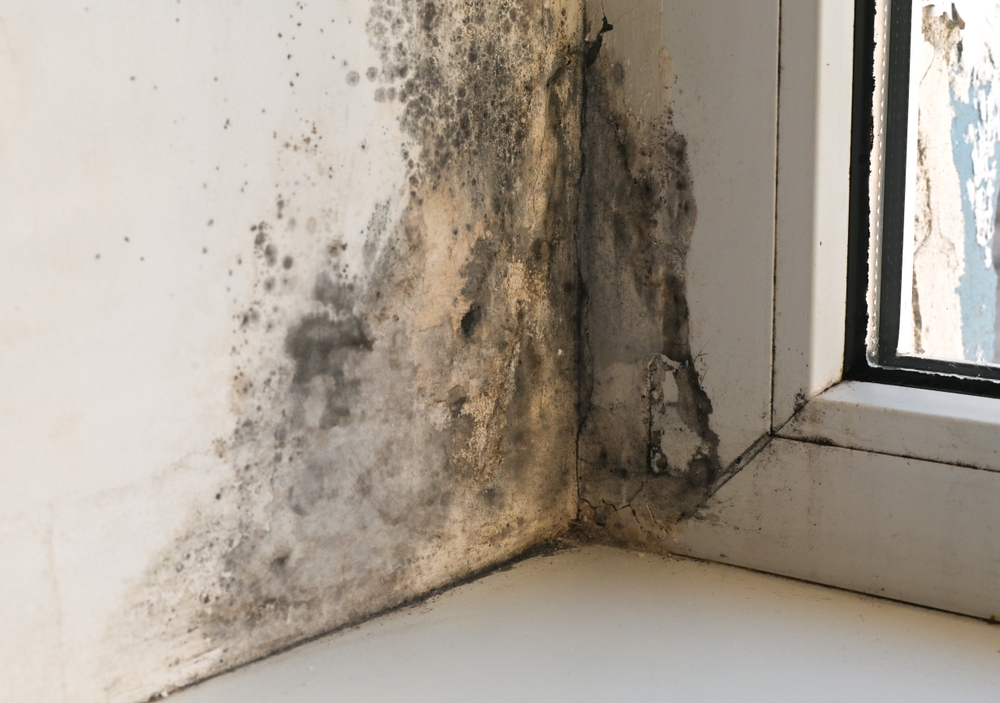
For many people dealing with unexplained fatigue, brain fog, or chronic illness, one unexpected question may be relevant: Can mold cause inflammation in the body?
The short answer is yes. Mold exposure can trigger a significant inflammatory response in the body, especially in individuals who are genetically or biologically susceptible. In some cases, this inflammation caused by mold becomes chronic and leads to a condition known as chronic inflammatory response syndrome (CIRS), which can explain symptoms such as fatigue, brain fog, or chronic illness.
What Is Mold?
Mold is a type of fungus that exists naturally in the environment. It plays an important role in breaking down organic material outdoors, but problems arise when mold grows indoors.
Indoor mold typically develops in damp or water-damaged environments such as the following:
- Leaky roofs or plumbing
- Flooded basements
- Poor ventilation areas such as bathrooms
- HVAC systems with moisture buildup
When mold grows indoors, it releases microscopic particles called spores, along with volatile organic compounds (MVOCs) and mycotoxins. These particles can become airborne and circulate through indoor air systems, making them easy to inhale or ingest over time.
Can Mold Cause Inflammation in the Body?
Yes, mold can cause inflammation in the body, particularly when exposure is prolonged or repeated.
When mold particles or mycotoxins enter the body, the immune system identifies them as threats. This activates inflammatory pathways designed to protect the body. In the short term, this response is helpful. In the long term, however, continuous exposure can lead to chronic immune activation. This inflammatory response can affect multiple systems:
- Brain and nervous system
- Respiratory system
- Hormonal regulation
- Digestive system
- Musculoskeletal system
Instead of shutting off after the threat is removed, the immune system may remain in a heightened state of activation, producing ongoing inflammation even after leaving the exposure environment.
How Mold-Driven Inflammation Affects the Body
Once inflammation becomes chronic, it can begin to disrupt normal biological function. This is not limited to one organ system. It is a whole-body process.
Neurological Effects
Inflammation in the brain can lead to:
- Brain fog
- Memory issues
- Difficulty concentrating
- Sensitivity to light or sound
This happens because inflammatory cytokines affect communication between neurons and alter normal brain signaling.
Immune System Dysregulation
Instead of responding appropriately to threats, the immune system may become overactive or unbalanced. This can result in:
- Frequent illness
- Allergic-type reactions
- Chronic fatigue
- Persistent low-grade inflammation
Hormonal and Metabolic Disruption
Inflammation caused by mold in the body can interfere with hormonal signaling pathways, including those that regulate:
- Energy production
- Stress response
- Appetite and metabolism
This is one reason people with mold exposure often feel exhausted despite normal lab work.
Respiratory and Sinus Symptoms
Because mold is often inhaled, the respiratory system is one of the first affected areas. Symptoms may include the following:
- Chronic congestion
- Sinus pressure
- Cough or throat irritation
- Shortness of breath
In some cases, these symptoms persist even after you leave the moldy environment.
How CIRS Develops from Mold Exposure
Chronic inflammatory response syndrome (CIRS) is a condition that occurs when the body cannot properly regulate its inflammatory response to biotoxins such as mold. But not everyone exposed to mold develops CIRS. The difference often comes down to genetics, immune function, and detoxification capacity. In susceptible individuals:
- The immune system fails to properly recognize and eliminate biotoxins
- Inflammatory pathways remain active long after exposure
- Regulatory systems that normally reduce inflammation become impaired
This leads to a cycle where mold causes inflammation in the body that continues even in the absence of ongoing exposure. Over time, this can affect nearly every bodily system and create complex, multi-symptom illness.
Why Mold-Related Inflammation Is Often Missed
One of the biggest challenges with mold-related inflammation and CIRS in the body is that it is frequently overlooked in conventional medical settings. There are several reasons for this:
1. Symptoms Overlap with Other Conditions
Mold-related inflammation in the body can mimic:
- Chronic fatigue syndrome
- Fibromyalgia
- Anxiety or depression
- Autoimmune disorders
Because symptoms are non-specific, patients are often treated symptom-by-symptom without addressing the root cause.
2. Standard Lab Tests May Appear Normal
Routine blood work often fails to detect inflammatory dysfunction caused by mold exposure. This can lead to patients being told that “everything looks normal” despite ongoing symptoms.
3. Environmental Exposure Is Hard to Identify
Mold is not always visible. Many people are unaware they are being exposed, especially in buildings with hidden water damage or poor ventilation systems.
4. Lack of Awareness Persists in Conventional Medicine
CIRS is not universally recognized in mainstream diagnostic frameworks, which means many clinicians are not trained to identify or treat it.
How to Begin Addressing Mold-Related Inflammation
If you suspect mold exposure may be causing inflammation in your body, the first step is not to guess or self-diagnose, but to undergo a structured evaluation. A comprehensive approach typically includes the following aspects:
- Environmental exposure history
- Symptom pattern analysis
- Targeted lab testing
- Assessment of inflammatory response
- Evaluation of immune system function
This type of structured assessment helps determine whether mold exposure and CIRS may be contributing to chronic symptoms.
Hope for Healing: A Root-Cause Approach to Mold and CIRS
At Hope for Healing, the focus is on identifying and addressing the root drivers of chronic inflammatory conditions rather than simply managing symptoms.
Our approach is designed to help patients:
- Identify potential mold and biotoxin exposure
- Evaluate whether CIRS is contributing to symptoms
- Interpret specialized functional lab testing
- Build a step-by-step plan to reduce inflammation and restore balance
Because mold-related illness is complex and often missed in conventional care, having a structured, functional medicine–based roadmap can make a significant difference in understanding what is happening in the body.
If you are ready to explore whether mold exposure and CIRS may be affecting your health, you can learn more about Hope for Healing’s specialized care pathway here: https://get2theroot.com/mold-cirs
Summary: Mold Exposure and Inflammation
Mold exposure can absolutely cause inflammation in the body, especially when exposure is ongoing or the immune system is unable to properly regulate its response. In some individuals, this inflammation becomes chronic and develops into CIRS, a complex condition that affects multiple bodily systems.
Because symptoms often overlap with other conditions and standard testing may not detect the issue, mold-related illness is frequently overlooked in conventional medicine. This is why a functional medicine approach is often necessary to identify the root cause and guide effective treatment.By addressing exposure, immune dysfunction, and inflammation together, it becomes possible to move beyond symptom management and work toward true recovery and long-term healing. Schedule with Hope for Healing for functional medicine care of CIRS and other related conditions today: https://get2theroot.com/mold-cirs.


