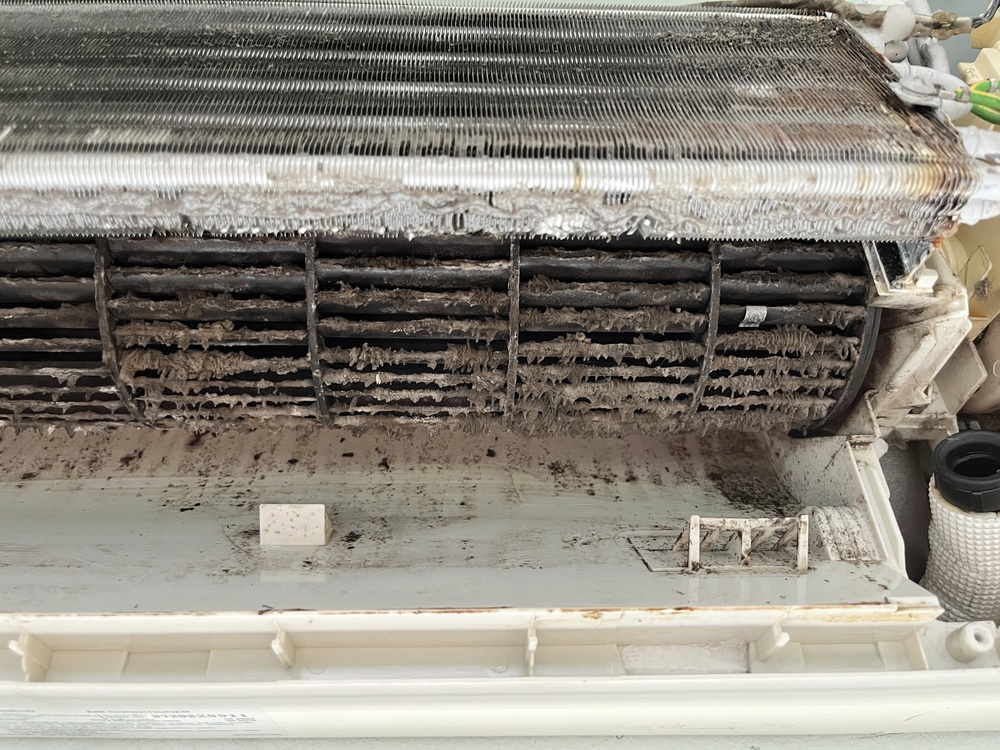
If you’ve ever noticed a musty smell when your air conditioning or heat kicks on, you may need to check for mold and consider a key question: Can mold spores in vents cause inflammation in the body?
The short answer to this question is yes. Mold spores circulating through HVAC systems and vents can contribute to inflammation in the body, especially with ongoing exposure. For some individuals, this exposure may even play a role in chronic inflammatory conditions such as chronic inflammatory response syndrome (CIRS).
What Are Mold Spores?
Mold spores are microscopic reproductive particles released by mold colonies. They are extremely small, lightweight, and designed to travel through air.
Mold exists both indoors and outdoors, but problems begin when spores find the right environments indoors, which are typically areas with moisture and organic material such as dust, drywall, or insulation.
Inside HVAC systems, spores can easily settle and multiply because vents often contain:
- Condensation from cooling systems
- Dust and organic debris
- Warm, humid airflow cycles
- Hidden moisture from leaks or poor drainage
Once mold begins growing inside ducts or vents, the HVAC system can distribute spores throughout the entire home every time air flows.
Average Mold Levels in Homes
It is important to understand that mold is not always abnormal in small amounts. In fact, mold spores are naturally present in most environments, including indoor air. In a typical home:
- Mold spores are present at low levels from outdoor air infiltration
- Normal ventilation allows some spores to enter and exit naturally
- Small, controlled levels are generally not harmful for most people
However, problems arise when conditions allow mold to grow indoors. What shifts mold from “normal presence” to “health concern” is not just exposure; it is amplification inside the home.
When Mold Becomes a Problem in Homes
Mold becomes more concerning when indoor conditions allow it to grow unchecked. That’s when mold spores circulating through vents may cause inflammation in the body. Situations where mold exposure becomes excessive include the following:
1. Water Damage or Leaks
Even small leaks in roofs, pipes, or walls can create hidden moisture pockets that support mold growth behind surfaces or inside HVAC systems.
2. High Humidity Environments
Humidity levels above 50% can significantly increase the risk of mold growth, especially in enclosed areas such as ducts.
3. Poor Ventilation
Without proper airflow, moisture becomes trapped, allowing mold colonies to develop and spread.
4. Neglected HVAC Maintenance
Dirty air filters, clogged drainage pans, or unserviced coils can create ideal conditions for mold growth inside vents.
When these conditions are present, mold can shift from a background environmental exposure to a chronic indoor pollutant.
How Mold Spores Enter the Body
When mold spores circulate through vents, they become part of the indoor air people breathe continuously. Exposure happens primarily through:
- Inhalation into the lungs and sinuses
- Contact with mucous membranes (eyes, nose, throat)
- Ingestion of airborne particles that settle on food or surfaces
Once inhaled, spores interact with the respiratory system first. From there, they can trigger immune responses that extend beyond the lungs.
In a healthy immune system, spores are typically neutralized and cleared. However, repeated exposure, especially in poorly ventilated or water-damaged buildings, can lead to chronic immune activation.
Can Mold Spores in Vents Cause Inflammation?
Yes, mold spores in vents can cause inflammation in the body.
When the immune system detects mold spores or fragments, it activates inflammatory pathways to defend against them. This is a normal protective response in the short term.
However, when exposure is ongoing, such as breathing contaminated air from HVAC systems, the immune system may remain in a constant state of activation. This chronic immune response can lead to systemic inflammation affecting multiple areas of the body:
- Respiratory system → congestion, coughing, airway irritation
- Brain and nervous system → brain fog, headaches, fatigue
- Immune system → hypersensitivity reactions, chronic immune activation
- Musculoskeletal system → body aches, stiffness
- Sinus and ENT system → chronic sinus pressure or infections
Over time, this inflammatory burden can become difficult for the body to regulate on its own. This makes it crucial to regularly purge mold spores from vents to reduce inflammatory risk.
What Is CIRS?
Chronic inflammatory response syndrome (CIRS) is a chronic condition where the body fails to properly regulate its immune response to biotoxins, including mold exposure. Instead of clearing these toxins efficiently, the immune system remains stuck in a cycle of inflammation. This results in a multi-system illness that can affect:
- Neurological function
- Hormonal regulation
- Immune balance
- Energy production
- Metabolic processes
CIRS is often associated with exposure to water-damaged buildings where mold spores and mycotoxins circulate through air systems such as HVAC vents.
Why Functional Medicine Is Often Needed
Mold-related inflammation and CIRS are complex because they involve multiple interacting systems in the body. Conventional approaches often focus on symptom management, but they do not always address the root cause of immune dysregulation.
Functional medicine takes a different approach by focusing on:
- Identifying ongoing environmental exposure
- Evaluating inflammatory and immune markers
- Supporting detoxification pathways
- Restoring hormonal and metabolic balance
- Reducing the body’s inflammatory burden
Because mold exposure can affect the immune system at a systemic level, addressing it often requires a comprehensive, individualized strategy rather than a one-size-fits-all treatment plan.
Prevention Tips for Mold in Vents and Indoors
Reducing exposure begins with controlling the environment where mold grows. To guard against inflammation from mold spores circulating in your vents, try the following strategies:
Control Moisture
- Keep indoor humidity below 50%
- Fix leaks quickly
- Use dehumidifiers in damp areas
Maintain HVAC Systems
- Replace air filters regularly
- Schedule routine duct inspections
- Ensure proper drainage in AC units
- Clean coils and drip pans when needed
Improve Ventilation
- Use exhaust fans in bathrooms and kitchens
- Increase airflow in enclosed spaces
- Avoid blocking air returns or vents
Clean and Monitor Indoor Air
- Address musty odors early
- Inspect vents and filters regularly
- Avoid long-term damp conditions in basements or crawl spaces
Hope for Healing: Root-Cause Mold and CIRS Care
If you are experiencing persistent symptoms such as fatigue, brain fog, sinus issues, or unexplained inflammation, mold spore exposure from vents may be part of a larger underlying issue.
At Hope for Healing, the focus is on identifying and addressing root causes of chronic illness, including mold-related inflammatory conditions and CIRS.
Our approach helps patients:
- Evaluate whether mold exposure is contributing to symptoms
- Assess for possible CIRS involvement
- Interpret specialized lab testing in context
- Develop a structured, individualized recovery plan
Because mold-related illness is often missed in conventional care, a functional medicine framework can provide clarity and direction when symptoms feel confusing or unexplained.
You can learn more about Hope for Healing’s specialized mold and CIRS care pathway here: https://get2theroot.com/mold-cirs
Summary: Mold Spores in Vents and Inflammation
Mold spores in vents can absolutely cause inflammation in the body, especially when exposure is ongoing and inhaled daily through indoor air systems. While small amounts of mold are naturally present in most environments, problems arise when HVAC systems allow mold to grow and continuously circulate spores throughout a home.
For some individuals, this exposure can lead to chronic immune activation and systemic inflammation, potentially contributing to conditions such as CIRS. Because symptoms often overlap with other health issues and are not always detected through standard testing, mold-related illness is frequently underrecognized.
Addressing the root cause, including environmental exposure and immune dysfunction, is essential for reducing inflammation and restoring health. Functional medicine provides a structured approach to identifying these hidden drivers and supporting the body’s recovery process.For functional medicine care for mold exposure, inflammation, and CIRS, schedule with Hope for Healing today: https://get2theroot.com/mold-cirs