
Can You Die from CIRS? Understanding the Risks

Chronic inflammatory response syndrome, commonly known as CIRS, is a serious and often misunderstood illness. CIRS affects thousands of people, many of whom struggle for years with unresolved symptoms that disrupt nearly every aspect of daily life.

This leads many patients to ask, “Can you die from CIRS?” It’s a fair question, especially for those living with constant fatigue, brain fog, pain, and immune dysfunction.

The short answer is that most people do not die directly from CIRS. However, the chronic inflammation and immune dysregulation it causes can severely impair quality of life, increase vulnerability to other health conditions, and, in some cases, contribute to serious medical complications if left untreated.

What Is CIRS?

CIRS stands for chronic inflammatory response syndrome, a multi-system illness triggered by prolonged exposure to environmental biotoxins in genetically susceptible individuals.

In healthy people, the body’s immune system identifies and clears toxic substances such as mold spores, bacteria, or algal toxins. But in those with certain gene types, particularly HLA-DR variants, the immune system fails to recognize these biotoxins. Instead of removing them, the toxins circulate in the body, triggering persistent inflammation and immune dysfunction.

CIRS affects multiple body systems at once, often without showing up on routine lab work. This can make it difficult to diagnose. Symptoms may include the following:

  • Chronic fatigue
  • Brain fog and memory problems
  • Mood disturbances
  • Muscle and joint pain
  • Breathing issues
  • Digestive discomfort
  • Hormonal irregularities
  • Increased sensitivity to light, sound, and smells
  • Frequent urination or thirst
  • Temperature regulation problems

Because CIRS is a syndrome, not a disease with a single cause, it requires a comprehensive evaluation of symptoms, environmental exposure history, genetic susceptibility, and biomarker testing.

How Do People Get CIRS?

CIRS is primarily caused by exposure to biotoxins, which are harmful substances produced by living organisms. These exposures usually occur in indoor environments but may also come from nature or food sources.

Common Triggers of CIRS Include the Following:

1. Mold in Water-Damaged Buildings (WDB):
The most common trigger for CIRS is exposure to mold spores, mycotoxins, and bacterial byproducts in homes, schools, or workplaces affected by leaks, floods, or poor ventilation.

2. Cyanobacteria (Blue-Green Algae):
Toxins from algae blooms in lakes or coastal waters can be inhaled or absorbed through the skin during swimming or boating.

3. Ciguatera Fish Poisoning:
Consuming contaminated tropical reef fish can lead to long-lasting neurological symptoms in some people.

4. Lyme Disease and Co-Infections:
Though caused by a bacterial infection, post-Lyme immune dysfunction can trigger CIRS-like symptoms.

5. Other Environmental Toxins:
Heavy metals, pesticides, or industrial chemicals can serve as additional inflammatory triggers, especially in combination with biotoxin exposure.

Not everyone exposed to these triggers develops CIRS. Only about 24% of the population carries the genetic makeup that prevents the immune system from eliminating biotoxins effectively. For those individuals, even brief or minor exposure can lead to persistent illness. But does CIRS cause death?

Can You Die from CIRS?

No, CIRS does not typically cause death directly.

It is not classified as a terminal illness. People do not die from CIRS in the way one might from an aggressive infection, cancer, or organ failure. However, this should not be taken to mean that CIRS is harmless.

The real danger lies in what CIRS does to the body over time. Chronic inflammation—when unaddressed—can have far-reaching effects. For people with CIRS, the immune system is stuck in an overactive state, unable to shut off even when the original threat is gone.

This constant immune activation may increase the risk of the following conditions:

  • Autoimmune disorders such as rheumatoid arthritis or lupus
  • Cardiovascular issues including high blood pressure and inflammation of blood vessels
  • Neurological damage due to ongoing inflammation of the brain (neuroinflammation)
  • Hormonal imbalance affecting thyroid, adrenal, and reproductive systems
  • Mental health disorders including anxiety and depression
  • Increased susceptibility to other infections due to immune dysfunction

Over time, this can take a significant toll on organ systems, leading to deterioration in function and, in some cases, creating life-threatening complications. The risk of this happening is higher if CIRS is ignored or mismanaged.

Indirect Risks and Quality of Life

Even if CIRS does not directly cause death, it can dramatically reduce a person’s quality of life. Many patients with untreated CIRS report being unable to work, care for their families, or enjoy normal daily activities. The illness can become mentally and emotionally draining, leading to social isolation and hopelessness.

In this way, CIRS often affects health gradually, wearing down the body’s ability to self-regulate. While it’s rare for CIRS to lead directly to a medical emergency, the risks should not be underestimated.

If you are experiencing severe or worsening symptoms, especially involving breathing, cognition, or mood, it’s important to seek immediate medical attention. Early intervention may prevent long-term complications.

How Is CIRS Treated?

Treatment for CIRS typically follows a step-by-step protocol, such as the one developed by Dr. Ritchie Shoemaker. It is designed to do the following:

  1. Remove the patient from exposure to biotoxins (e.g., mold remediation or relocation)
  2. Bind toxins using medications such as cholestyramine or natural binders to remove them from the body
  3. Correct immune and inflammatory imbalances using targeted supplements or medications
  4. Restore normal hormone levels and repair cellular function
  5. Rebuild immune tolerance and prevent recurrence

Treatment is often long-term and requires careful monitoring, but many people see dramatic improvements in fatigue, brain fog, mood, and physical symptoms.

Treating CIRS: Hope for Healing

If you suspect CIRS or are living with unexplained chronic symptoms, it’s essential to seek care from professionals who understand you holistically. The team at Hope for Healing specializes in diagnosing and treating mold-related illness and CIRS using an evidence-based, patient-centered approach.

What Hope for Healing Offers:

  • Comprehensive evaluations including genetic and environmental risk assessments
  • Advanced lab testing for CIRS biomarkers and immune function
  • Personalized detox and immune support protocols
  • Guidance on safe housing and mold remediation
  • Long-term care plans rooted in functional and integrative medicine

At Hope for Healing, patients are not dismissed, rushed, or told their symptoms are imaginary. Instead, they are listened to, respected, and given the tools they need to recover—physically and emotionally.

Join Hope for Healing Today

So, can you die from CIRS? In most cases, no, CIRS does not cause direct death. But it can cause serious life-altering complications that impact nearly every system in the body. Left untreated, CIRS can lead to long-term inflammation, immune dysfunction, and a significantly diminished quality of life.

If you’re suffering from persistent fatigue, brain fog, pain, or other unexplained symptoms—and you suspect mold or environmental toxins may be to blame—don’t wait. The earlier you act, the more likely you are to recover fully.

Hope for Healing offers trusted, personalized care for individuals with CIRS and mold-related illness. Their team can help you uncover the root cause of your symptoms and guide you toward real healing.Schedule a welcome call with Hope for Healing today and take the first step toward lasting health!

Is a CIRS Diagnosis Quackery? A Scientific View

Chronic inflammatory response syndrome, or CIRS, has gained increasing attention in recent years, particularly among those suffering from persistent symptoms that evade conventional diagnoses. But with growing visibility, CIRS has also received criticism. Some online sources dismiss CIRS as “fringe science” or even “quackery.” But is a CIRS diagnosis quackery?

In this article, we’ll unpack what CIRS is, what triggers it, how it impacts the body, and whether the skepticism is justified. Overall, no, CIRS is not quackery. It reflects real, measurable physiological dysfunction in a subset of patients, especially those exposed to environmental biotoxins. While the condition may not be widely addressed in mainstream medicine, that does not invalidate its reality or the results achieved by professionals trained in biotoxin illness.

What Is CIRS?

CIRS stands for chronic inflammatory response syndrome, a complex multi-system illness caused by ongoing exposure to biotoxins in people who are genetically unable to eliminate those toxins efficiently.

Unlike acute illnesses with clear causes and timelines, CIRS arises when biotoxins are not adequately cleared from the body, leading to a chronic immune system overreaction.

In genetically susceptible individuals—those with certain HLA-DR gene haplotypes—the body fails to tag biotoxins for removal. Instead, these toxins circulate indefinitely, activating the innate immune system, damaging tissues, and creating widespread inflammation. Over time, this inflammation affects multiple systems in the body, including the brain, lungs, gut, endocrine glands, and muscles.

What Triggers CIRS?

CIRS is not caused by a single pathogen or toxin. It is a syndrome: a collection of symptoms and biological markers tied to chronic immune activation in response to environmental exposure. The most common triggers include the following:

1. Mold and Water-Damaged Buildings

This is the leading known cause of CIRS. Buildings affected by water intrusion often harbor mold spores, mycotoxins, bacterial endotoxins, actinomycetes, and volatile organic compounds (VOCs). Exposure can occur through inhalation, skin contact, or contaminated dust.

2. Harmful Algal Blooms

Cyanobacteria, or blue-green algae, found in contaminated lakes and coastal waters release neurotoxins such as microcystins and anatoxins. Swimming or breathing in mist from affected water can trigger CIRS in some people.

3. Ciguatera Fish Poisoning

Caused by eating reef fish that have accumulated toxins from marine dinoflagellates, ciguatera poisoning can lead to long-term inflammatory responses in genetically vulnerable individuals.

4. Tick-Borne Infections

While not a biotoxin, chronic immune dysfunction following Lyme disease and its co-infections can lead to a CIRS-like presentation, especially when inflammation persists after treatment.

5. Other Environmental Toxins

Pesticides, heavy metals, and certain chemicals may act as secondary triggers or co-factors, worsening the inflammatory load on the body.

What Are the Symptoms of CIRS?

CIRS can cause a bewildering variety of symptoms, affecting many organs at once. People suffering from CIRS often experience the following symptoms:

  • Debilitating fatigue
  • Brain fog, memory issues, poor concentration
  • Headaches and light sensitivity
  • Shortness of breath or cough
  • Sinus congestion
  • Digestive problems such as bloating and diarrhea
  • Joint pain and muscle aches
  • Mood swings, anxiety, or depression
  • Night sweats and temperature dysregulation
  • Increased urination or static shocks
  • Hormonal imbalance or low libido

Because of the wide range of complaints, many CIRS patients are misdiagnosed with conditions such as chronic fatigue syndrome, fibromyalgia, depression, or anxiety. No wonder some people think a CIRS diagnosis is quackery. But what distinguishes CIRS is that it has objective biological markers—measurable lab abnormalities that provide clear evidence of chronic immune dysfunction.

Why Do Some People Call CIRS Diagnoses “Quackery”?

Claims that a CIRS diagnosis is just quackery often stem from several misunderstandings:

1. CIRS Is Not Commonly Diagnosed in Conventional Medicine

Because most mainstream doctors are not trained to recognize CIRS, patients often go years without a diagnosis. That absence of recognition can lead to the false conclusion that the condition isn’t real.

2. The Symptoms Are Non-Specific

Fatigue, brain fog, joint pain—these symptoms are common to many conditions, and some believe that their presence in CIRS patients suggests that the diagnosis is overly broad. But in CIRS, these symptoms are backed by specific inflammatory markers and genetic patterns, making it distinct from vague or psychosomatic illness.

3. Treatments Aren’t Standardized Across Health Systems

CIRS treatment requires a multi-step, individualized process that isn’t covered by typical insurance models. This leads some to view the treatment as “alternative” or outside scientific consensus. But lack of familiarity in the insurance model doesn’t mean there’s a lack of evidence.

4. Some Providers Overpromise Results

Like many chronic conditions, CIRS can attract both excellent clinicians and opportunists. This makes it especially important to work with providers who follow a science-backed, measured protocol for diagnosing and treating biotoxin illness.

Is CIRS Quackery?

No. A CIRS diagnosis is not quackery. It indicates a documented inflammatory condition with well-established diagnostic criteria, genetic predisposition, lab markers, and a growing body of scientific literature.

CIRS is a legitimate medical condition recognized by physicians trained in environmental and functional medicine. The main challenge is that it exists outside the scope of conventional acute-care medicine, which often overlooks the root causes of chronic illness.

Why Is CIRS Often Missed by Conventional Doctors?

The traditional medical system is excellent at managing acute illness, infections, trauma, and surgical needs. But it’s not designed to address complex chronic conditions that involve multiple systems and subtle immune imbalances.

Most primary care visits are short, reactive, and based on standard labs that often appear normal in CIRS patients. Additionally, very few physicians receive formal training in environmental medicine, mold exposure, or biotoxin illness.

CIRS is not quackery. Its treatment just requires more time, attention, and follow-up than most primary care models allow. This leaves a gap—one that can be filled by dedicated practitioners who specialize in root-cause, systems-based approaches to chronic illness.

Hope for Healing: Trusted CIRS Treatment

Our team at Hope for Healing provides care for patients suffering from mold-related illness and biotoxin exposure. Unlike many providers, we specialize in identifying CIRS, acknowledging it is not quackery, validating patients’ experiences, and offering a science-based path toward healing.

Here’s what sets Hope for Healing apart:

  • Root-Cause Diagnosis: We don’t just treat symptoms. We identify underlying immune and environmental triggers.
  • Advanced Testing: Our methods include HLA genetic testing, VCS testing, and inflammation panels (such as C4a, TGF-β1, MMP-9, and VIP).
  • Comprehensive Treatment: We follow evidence-based protocols to safely remove biotoxins, lower inflammation, and restore balance.
  • Personalized Care: Every patient’s history, genetics, and environment are unique—and so is their treatment plan.
  • Validated Success: Many patients previously dismissed by mainstream medicine have experienced measurable improvements in energy, cognition, and quality of life.

If you’ve been told there’s nothing wrong with you—or worse, that it’s all in your head—don’t give up. Our team at Hope for Healing understands CIRS and has helped many patients recover when standard care couldn’t provide answers.

Join Hope for Healing Today

CIRS is controversial only because it challenges a model of medicine that isn’t yet equipped to handle the complexities of chronic immune dysfunction.

CIRS is not quackery. It’s a documented syndrome affecting people who have been exposed to environmental biotoxins and have a genetic predisposition that prevents their bodies from eliminating those toxins. When these exposures go unaddressed, the result is a systemic, debilitating illness that requires thoughtful, tailored care.

Thanks to practitioners like us at Hope for Healing, recovery is possible. Our work validates the experiences of countless patients and offers real, scientific solutions—rooted in compassion, expertise, and results.Schedule a welcome call with Hope for Healing today for CIRS treatment!

What Triggers CIRS? Understanding Biotoxin Origins

Chronic inflammatory response syndrome (CIRS) is a complex and often misunderstood medical condition that affects thousands of people, many of whom suffer for years without a clear diagnosis. Commonly misattributed to other chronic illnesses, CIRS is a multi-system, multi-symptom illness caused by prolonged exposure to biotoxins such as mold and other environmental contaminants.

In this article, we’ll explain what CIRS is, how it impacts the body, what symptoms it causes, and most importantly, what triggers CIRS in the first place.

What Is CIRS?

CIRS (chronic inflammatory response syndrome) is a systemic illness initiated by exposure to biotoxins in genetically susceptible individuals. In healthy individuals, the immune system identifies and clears biotoxins from the body. But in those with certain genetic markers—particularly the HLA-DR gene variants—the body struggles to recognize and remove biotoxins. As a result, these toxic substances remain in the body and cause a chronic, unregulated immune response.

This inflammation can affect multiple organs and systems in the body, leading to a variety of debilitating symptoms. Because it does not respond to conventional treatments for infections or autoimmune diseases, CIRS is often misdiagnosed or overlooked entirely.

How Does CIRS Affect the Body?

When triggered, CIRS affects multiple systems, including the following:

  • Neurological system: Causing memory loss, confusion, difficulty concentrating (“brain fog”), and headaches
  • Respiratory system: Causing coughing, shortness of breath, sinus congestion, and asthma-like symptoms
  • Gastrointestinal system: Including bloating, diarrhea, nausea, or appetite changes
  • Musculoskeletal system: Resulting in joint pain, muscle aches, and fatigue
  • Endocrine system: Leading to hormone imbalances, low libido, irregular menstruation, and adrenal dysfunction
  • Immune system: Causing frequent infections, autoimmunity, and persistent inflammation

Because the symptoms are widespread and vary from person to person, CIRS is often labeled as chronic fatigue syndrome, fibromyalgia, depression, anxiety, or irritable bowel syndrome (IBS).

Common Symptoms of CIRS

While the presentation of CIRS can be broad, many patients report a common cluster of symptoms:

  • Fatigue that does not improve with rest
  • Cognitive difficulties, such as poor memory and concentration
  • Sensitivity to light, sound, or smells
  • Muscle cramps or joint pain
  • Shortness of breath or sinus congestion
  • Unexplained weight gain or loss
  • Mood changes, including anxiety and depression
  • Temperature dysregulation and night sweats
  • Digestive issues, including diarrhea or abdominal pain
  • Hormonal irregularities
  • Static shocks, frequent thirst, or increased urination

But what triggers CIRS in the first place?

What Triggers CIRS?

The core trigger of CIRS is exposure to biotoxins, which are harmful substances produced by living organisms. For individuals with genetic susceptibility, these toxins can initiate a prolonged immune reaction and systemic inflammation.

The most common environments and exposures that lead to CIRS include the following:

1. Water-Damaged Buildings

The most frequent and well-documented cause of CIRS is exposure to indoor environments contaminated by mold and other microbial growth. These environments often result from the following:

  • Leaky roofs, plumbing, or appliances
  • Poor ventilation or air conditioning systems
  • Flood damage
  • Damp basements or crawl spaces

Buildings affected by water damage can harbor a mix of the following:

  • Mold spores and fragments
  • Mycotoxins (toxic chemicals produced by mold)
  • Bacteria and bacterial endotoxins
  • Actinomycetes (filamentous bacteria)
  • Volatile organic compounds (VOCs) released by decaying materials

These microbial products can be inhaled or absorbed through the skin, leading to a sustained inflammatory response.

2. Harmful Algal Blooms (Cyanobacteria)

Exposure to cyanobacteria (blue-green algae) found in contaminated lakes, rivers, and coastal waters can trigger CIRS. These organisms release toxins such as microcystins, anatoxins, and saxitoxins that are harmful to humans and animals.

Recreational exposure (swimming, boating, or fishing) or consumption of contaminated drinking water can lead to illness in susceptible individuals.

3. Ciguatera Fish Poisoning

Ciguatera is caused by eating tropical reef fish contaminated with toxins from dinoflagellates—marine microorganisms that adhere to coral reefs. In humans, this can trigger gastrointestinal symptoms, neurological changes, and long-term immune activation associated with CIRS.

4. Lyme Disease and Co-Infections

Although Lyme disease is caused by a bacterial infection (Borrelia burgdorferi), the immune dysregulation that follows chronic or unresolved Lyme infection can mimic or trigger a CIRS-like syndrome. The interplay of tick-borne pathogens and immune dysfunction often blurs the lines between chronic Lyme and biotoxin illness.

5. Toxic Chemical Exposures

In some cases, chemical exposures such as pesticides, solvents, or heavy metals may act as co-triggers, weakening immune function or exacerbating an existing biotoxin load. While not always the primary cause, they can contribute to the severity of CIRS symptoms.

Diagnosis and Testing for CIRS

Diagnosing CIRS from its triggers requires more than symptom tracking—it includes a combination of the following:

  • Detailed exposure history
  • HLA genetic testing (to assess susceptibility)
  • Visual contrast sensitivity (VCS) testing (measuring neurological function)
  • Inflammatory lab markers (C4a, TGF-β1, MMP-9, VEGF, VIP, etc.)
  • Environmental testing (ERMI or HERTSMI-2 for mold in homes)

Because conventional labs and physicians may not be familiar with CIRS, working with a provider trained in biotoxin illness is essential for accurate diagnosis and treatment.

Treating CIRS: The Path to Recovery

CIRS treatment typically involves a stepwise protocol. Key steps include the following:

  • Removing the patient from exposure to the triggering biotoxin source
  • Binding toxins using agents such as cholestyramine or activated charcoal
  • Correcting inflammatory markers with targeted supplements or peptides
  • Addressing hormone imbalances and neurological symptoms
  • Rebuilding immune tolerance and repairing damaged tissue

Recovery is possible—but it requires personalized, methodical care and follow-up.

CIRS Treatment at Hope for Healing

At Hope for Healing, individuals suffering from CIRS and its triggers can access holistic, functional care rooted in identifying and addressing underlying biotoxin exposure. The clinic specializes in the following:

  • CIRS diagnosis using advanced lab testing
  • Environmental assessments for mold and water damage
  • Customized detox protocols
  • Gut, brain, and immune system repair
  • Whole-person care addressing nutrition, lifestyle, and environment

The team at Hope for Healing understands the nuance and complexity of biotoxin illness. They provide evidence-based treatment plans that empower patients to reclaim their lives from chronic symptoms.

Whether you have been exposed to mold, feel chronically unwell, or have been misdiagnosed with another condition, specialized care for CIRS is available. Schedule a welcome call with Hope for Healing to learn more about the evaluation and treatment process.

Join Hope for Healing Today

Chronic inflammatory response syndrome (CIRS) is a serious multi-system condition triggered by exposure to biotoxins such as mold, algae, bacteria, and more. In genetically predisposed individuals, these toxins create a persistent immune reaction that leads to a wide range of debilitating symptoms.

Understanding what triggers CIRS is the first step in healing. By identifying and removing biotoxins, restoring immune balance, and seeking specialized care, recovery is possible.If you or someone you love is struggling with unexplained symptoms, especially after exposure to a water-damaged building or other toxic environments, don’t wait. Schedule a welcome call with Hope for Healing today and take the first step toward lasting health!
CIRS and Brain Inflammation: Understanding the Neurology of Mold Illness

Chronic Inflammatory Response Syndrome, or CIRS, is a condition triggered by prolonged exposure to biotoxins—most commonly from mold in water-damaged buildings. It affects multiple systems in the body, but one of the most complex and often misunderstood aspects is its impact on the brain.

Cognitive symptoms such as memory problems, poor focus, emotional reactivity, and word-finding difficulty are commonly reported in CIRS patients. These issues can interfere with daily functioning, and standard tests often fail to show anything unusual. Understanding the connection among CIRS, inflammation, and brain health is a critical part of identifying and treating this condition. At Hope for Healing, patients can access specialized diagnostics and treatment protocols designed to address CIRS and its neurological effects.

What Is CIRS?

Chronic Inflammatory Response Syndrome occurs when the immune system remains chronically activated due to exposure to biotoxins—substances created by living organisms such as mold, bacteria, or algae. In individuals with certain genetic markers (approximately 25% of the population), these toxins are not cleared efficiently. As a result, the immune system stays in a prolonged state of activation.

Common biotoxin sources include the following:

  • Mold spores and fragments from water-damaged buildings
  • Cyanobacteria from lakes or rivers
  • Certain bacterial toxins associated with Lyme disease
  • Marine toxins from shellfish or red tide exposure

This chronic immune response from CIRS causes inflammation that affects multiple organs and systems, including the brain.

How CIRS Causes Brain Inflammation

One of the central features of CIRS is its effect on brain inflammation and the central nervous system. Inflammation in the brain, or neuroinflammation, occurs through several mechanisms:

  • The body’s immune system produces cytokines—chemical messengers that drive inflammation—in response to biotoxins. In genetically susceptible individuals, this response does not turn off.
  • The blood-brain barrier, which normally protects the brain from harmful substances, can become more permeable due to prolonged inflammation. This allows inflammatory molecules to enter the brain and contribute to dysfunction.
  • Microglia, the brain’s immune cells, can become overactivated and produce further inflammation that affects nearby neurons.
  • Inflammatory stress disrupts neurotransmitters such as serotonin, dopamine, GABA, and glutamate, which are critical for mood, memory, and sleep.
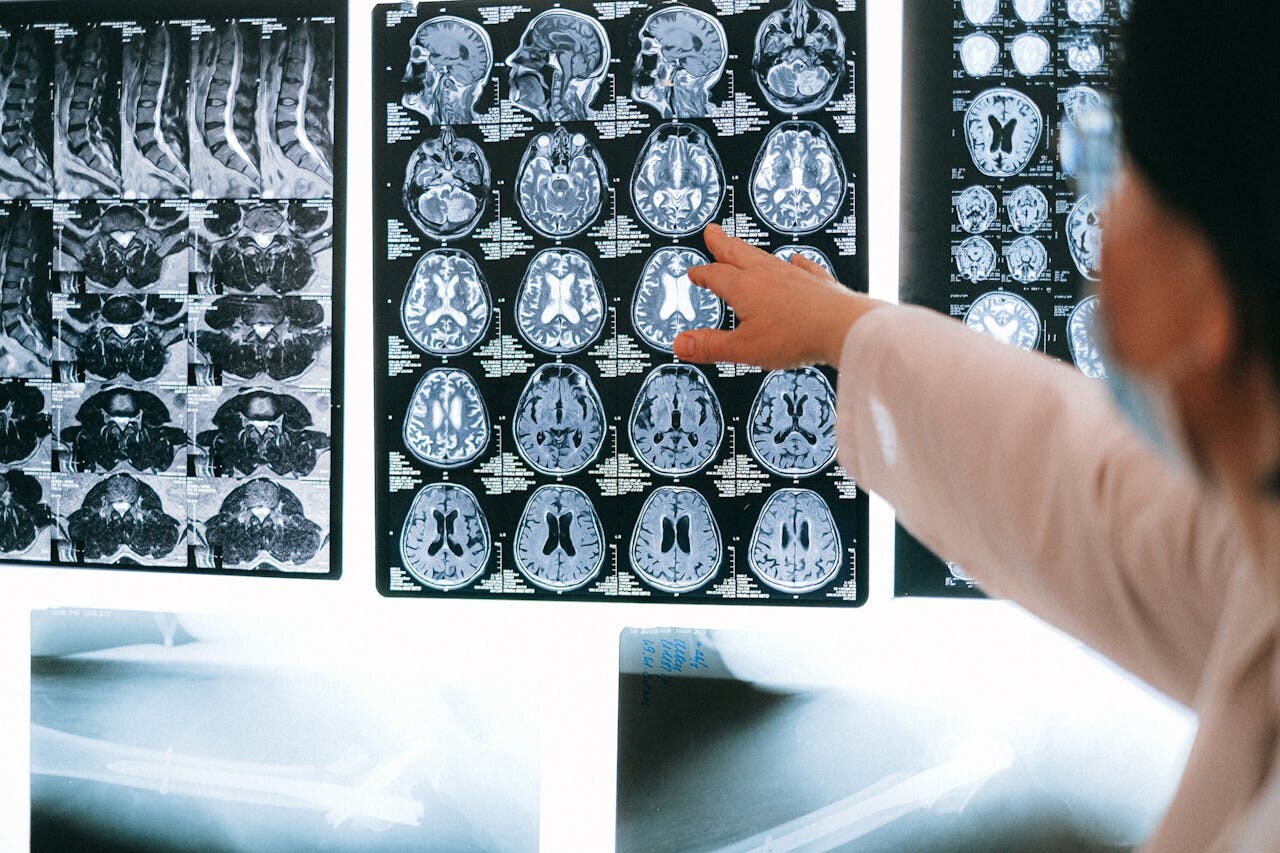
  • MRI scans analyzed with NeuroQuant software have shown structural changes in the brains of CIRS patients, such as shrinkage of certain areas or enlargement of fluid-filled spaces.

These physiological disruptions can lead to a wide range of cognitive and psychological symptoms.

Common Cognitive and Emotional Symptoms of CIRS

Because CIRS can inflame the brain, symptoms may vary from person to person. However, there are consistent patterns:

  • Difficulty concentrating or processing information (often referred to as “brain fog”)
  • Short-term memory challenges, such as forgetting conversations or misplacing objects
  • Trouble retrieving words during conversation
  • Emotional sensitivity or reactivity, including irritability and anxiety
  • Impulsive decisions or diminished executive functioning
  • Trouble falling asleep or staying asleep, and waking feeling unrefreshed
  • Symptoms resembling anxiety or depression, sometimes without a clear external cause

These changes may be subtle at first, but they often increase over time if the condition is not treated.

How CIRS Is Diagnosed

Diagnosing CIRS and brain inflammation requires a combination of symptom analysis, a history of biotoxin exposure, lab testing, and sometimes advanced imaging.

Typical diagnostic steps include the following:

  • A detailed patient history that includes water damage exposure, symptom timeline, and genetic predisposition
  • Visual Contrast Sensitivity (VCS) testing to assess neurological function
  • Blood tests to measure markers of immune activity, such as C4a, TGF-β1, MMP-9, VEGF, and hormone levels such as MSH or cortisol
  • HLA-DR genetic testing to assess biotoxin sensitivity
  • MRI with NeuroQuant analysis to identify structural brain changes associated with neuroinflammation

An experienced clinician will use a combination of these tools to determine whether CIRS is present in a patient’s brain inflammation and to guide treatment.

Treatment Options for CIRS-Related Brain Inflammation

Successful treatment of CIRS requires a multi-step approach. Addressing CIRS-related brain inflammation is only one component; eliminating the underlying cause and supporting immune recovery are also critical.

Key treatment elements include the following:

Removal from Exposure
This is the most important first step. Patients must stop exposure to mold or biotoxins by moving out of affected environments or undergoing comprehensive remediation. Ongoing exposure will prevent progress.

Toxin Binding and Elimination
Medications such as cholestyramine or Welchol are commonly used to bind toxins in the gut and help remove them from the body. Supplements such as glutathione may support detoxification pathways.

Immune System Regulation
Reducing inflammation through targeted therapies may include omega-3 fatty acids, antioxidants, or low-dose naltrexone (LDN). These approaches help bring the immune system back to balance.

Hormonal and Neurotransmitter Support
Patients often benefit from therapies that stabilize cortisol, ADH, and other disrupted hormones. Neurotransmitter support, either through lifestyle interventions or supplements, can aid in mood regulation and cognitive clarity.

Cognitive Rehabilitation
Once inflammation is better controlled, patients may begin cognitive retraining, neurofeedback, or occupational therapy to improve memory and focus. Strategies such as brain retraining programs (e.g., DNRS or Gupta) are also used in some cases.

Ongoing Monitoring
Lab markers should be followed over time to track progress. Symptoms often resolve gradually, and recovery may take several months. Continuous evaluation ensures that treatment is adjusted as needed.

Who Should Consider Evaluation for CIRS?

CIRS should be considered when a patient presents with a combination of unexplained, multi-system symptoms and has a history of the following:

  • Living or working in water-damaged buildings
  • Persistent sinus or respiratory problems without infection
  • Chronic fatigue, fibromyalgia-like symptoms, or multiple sensitivities
  • Cognitive changes without a neurological diagnosis
  • Hormonal imbalances not explained by traditional causes
  • Previous diagnosis of mold toxicity or post-Lyme disease syndrome

Because CIRS can mimic or overlap with other conditions, it is essential to work with a practitioner trained in biotoxin illness to get a thorough evaluation.

CIRS Care at Hope for Healing

CIRS brain inflammation is not commonly recognized in conventional medical settings, which means many individuals go undiagnosed or are treated for symptoms rather than root causes. At Hope for Healing, the care team is trained in advanced protocols for CIRS evaluation and treatment. They utilize a combination of functional medicine, lab testing, environmental assessment, and patient education to guide recovery.

Their approach is designed for individuals who have been searching for answers to complex chronic symptoms and have not found relief through standard interventions.

Join Hope for Healing Today

Chronic Inflammatory Response Syndrome can significantly affect brain function, leading to issues with memory, mood, and mental clarity. These symptoms often go unrecognized or are misattributed to stress, aging, or unrelated neurological issues. But with appropriate testing and treatment, individuals can begin to restore function and reduce CIRS-related brain inflammation.

If you are experiencing symptoms such as brain fog, memory loss, mood changes, or cognitive fatigue and have a history of mold or biotoxin exposure, consider an evaluation for CIRS brain inflammation at Hope for Healing. We will offer comprehensive support to help identify the cause and create a personalized treatment plan for you.Schedule a welcome call with Hope for Healing today!

Ozone Therapy Benefits: What You Need to Know

Ozone therapy is an increasingly utilized treatment in functional and integrative medicine, often used to support individuals dealing with chronic illness, fatigue, and immune dysregulation. Though not a mainstream medical treatment, ozone therapy has many benefits and a strong scientific basis, and it is increasingly sought after for its ability to stimulate natural healing processes in the body.

What Is Ozone Therapy?

Ozone (O₃) is a molecule composed of three oxygen atoms. It occurs naturally in the Earth’s upper atmosphere, where it plays a crucial role in protecting the planet from ultraviolet radiation. In medical applications, ozone is used therapeutically in a controlled, purified form. Ozone therapy involves introducing small, safe amounts of ozone gas into the body to stimulate healing and physiological balance.

Ozone therapy is not about simply increasing oxygen—it triggers complex biochemical responses that help the body function more efficiently. Its mechanisms of action involve mild oxidative stress, which stimulates the immune system, enhances circulation, supports detoxification, and improves cellular energy production.

Scientific Backing: How Does Ozone Work in the Body?

Ozone therapy benefits patients by operating through several interconnected biological pathways. These include the following:

  • Oxidative Preconditioning: When small amounts of ozone are introduced into the body, they create a temporary and controlled oxidative challenge. This stimulates the body’s natural antioxidant systems, such as glutathione and superoxide dismutase, enhancing its ability to combat inflammation and oxidative stress over time.
  • Improved Oxygen Metabolism: Ozone improves the release of oxygen from red blood cells and increases its uptake in tissues. This leads to better cellular respiration and energy production (ATP synthesis), particularly in organs such as the brain, liver, and muscles.
  • Immune Modulation: Ozone therapy has both immune-stimulating and immune-calming effects, depending on what the body needs. It helps the immune system mount stronger responses against infections while reducing harmful autoimmune activity.
  • Antimicrobial Properties: Ozone is known to neutralize bacteria, viruses, fungi, and parasites. It is widely used in medical settings for its disinfecting properties, and it can support patients with chronic infections or microbial imbalances.

These mechanisms make ozone therapy a versatile tool that addresses root causes of dysfunction, rather than just masking symptoms.

Key Benefits of Ozone Therapy

Ozone therapy offers a wide range of benefits across various systems in the body. Below are some of the most well-documented and commonly reported improvements:

1. Enhanced Cellular Energy (ATP Production)

Ozone increases the efficiency of the mitochondria—the “powerhouses” of the cell—which are responsible for generating energy. This is especially helpful for individuals struggling with chronic fatigue, post-viral syndromes, or long COVID, as energy levels and stamina tend to improve with consistent therapy.

2. Reduced Chronic Inflammation

Inflammation is common in most chronic conditions, from autoimmune diseases to heart disease and diabetes. Ozone therapy helps regulate the body’s inflammatory response by increasing antioxidant activity and modulating immune pathways. Many patients report reduced joint pain, brain fog, and inflammatory symptoms after a series of treatments.

3. Immune System Support

Ozone therapy strengthens the immune system without overstimulating it. It’s particularly helpful for people dealing with the following:

  • Autoimmune conditions
  • Recurrent infections
  • Mold toxicity
  • Lyme disease and co-infections
  • Epstein-Barr Virus (EBV) reactivation

Because it enhances the function of white blood cells and improves cytokine balance, ozone can support recovery from infections and reduce immune-related fatigue.

4. Detoxification Support

Ozone enhances liver function and increases the production of enzymes that help eliminate toxins. For individuals dealing with heavy metal exposure, environmental toxicity, or slow detox pathways, ozone therapy can improve the body’s ability to cleanse itself at a cellular level.

5. Cognitive and Neurological Support

Better oxygen utilization and reduced inflammation in the brain can lead to clearer thinking, improved memory, and enhanced mood. Patients with brain fog, migraines, or neuroinflammation often experience notable improvement in cognitive clarity after ozone therapy.

6. Circulatory and Cardiovascular Benefits

Ozone therapy can improve blood flow, reduce blood viscosity, and support vascular health. For individuals with poor circulation, diabetic complications, or metabolic syndrome, these changes can translate into better tissue oxygenation and reduced cardiovascular risk.

7. Improved Recovery and Resilience

Athletes, high-performing professionals, and individuals recovering from surgery or illness often use ozone therapy to accelerate healing and improve performance. It reduces oxidative stress and supports mitochondrial function, which enhances physical and mental endurance.

8. Support for Chronic Illness

Ozone therapy is commonly used as part of a broader care plan for people with the following conditions:

  • Chronic Lyme disease
  • Autoimmune disorders (such as lupus or rheumatoid arthritis)
  • Fibromyalgia
  • Mold illness and CIRS
  • Chronic fatigue syndrome
  • Long-term COVID

While it is not a cure, ozone therapy’s benefits often improve quality of life, reduce the frequency and intensity of symptoms, and help patients regain momentum in their healing journey.

Who Benefits Most from Ozone Therapy?

Ozone therapy can benefit individuals who…

  • Are managing a complex chronic illness
  • Struggle with low energy, brain fog, or pain
  • Have been exposed to mold, chemicals, or chronic infections
  • Experience immune dysregulation or frequent illness
  • Are interested in preventative wellness and longevity
  • Want to enhance recovery from physical or mental stress

Because it works by enhancing foundational biological processes, ozone therapy benefits both those who are unwell and those simply seeking to optimize health.

Why Work with Professionals for Ozone Therapy?

Proper ozone therapy requires medical-grade equipment, precise dosing, and a solid understanding of the body’s physiological response to oxidative therapies. At Hope for Healing in Houston, ozone therapy is administered by trained practitioners who tailor each treatment plan to the individual’s health goals and current condition.

Patients receive clinical oversight and guidance to ensure therapy is safe, effective, and integrated with other aspects of their care. This level of expertise allows for…

  • Customized treatment frequency
  • Combination of IV and insufflation methods
  • Integration with nutrition, detox, or hormone therapies
  • Tracking of symptom improvement over time

Choose Hope for Healing for Ozone Therapy in Houston

Hope for Healing is a trusted integrative clinic in Houston that provides safe, effective ozone therapy in both IV and insufflation forms. The team at Hope for Healing focuses on identifying root causes, supporting the body’s natural healing capacity, and providing tools that go beyond conventional symptom management.

Patients benefit from a welcoming environment, personalized care plans, and access to a broad range of supportive therapies—all under one roof.

Whether you’re dealing with a chronic health condition or simply wanting to support your body’s natural healing processes, ozone therapy at Hope for Healing can be highly beneficial.

Join Hope for Healing Today

Ozone therapy offers benefits through a compelling blend of science, safety, and systems. With the ability to support mitochondrial function, immune modulation, detoxification, and inflammation reduction, it serves as a powerful adjunct in both chronic care and proactive wellness.

If you are in the Houston area and are interested in exploring the benefits of ozone therapy, contact Hope for Healing to learn more about available options. With both IV and insufflation treatments tailored to your needs, you’ll receive support that’s truly focused on long-term healing and vitality.Learn more or schedule your consultation today!

IV Ozone Therapy Near Me: Understanding Options in Houston

Ozone therapy is gaining widespread attention in integrative and functional medicine circles for its potential to support immune function, reduce inflammation, and enhance cellular energy. Among the most commonly used forms are IV ozone therapy and ozone insufflation, each offering unique benefits depending on individual health needs.

As interest grows in alternative and supportive treatments for chronic illness and immune dysfunction, many individuals in Houston are exploring how ozone therapy may fit into their care plans. This article provides an in-depth explanation of what ozone therapy is, how it works, the differences between IV and insufflation administration, who benefits most, and how to access reputable insufflation and IV ozone therapy services near you in the Houston area.

What Is Ozone Therapy?

Ozone (O₃) is a molecule composed of three oxygen atoms. While naturally found in the Earth’s upper atmosphere, ozone can also be used therapeutically in medical settings to create controlled oxidative stress in the body—stimulating healing processes, detoxification, and immune modulation. In medical ozone therapy, highly purified oxygen is transformed into ozone using a specialized medical-grade generator and administered in small, carefully calibrated doses.

Ozone therapy does not act as a conventional medication. Rather, it activates the body’s own physiological responses. It can help optimize mitochondrial function, promote antioxidant activity, and improve oxygen delivery to tissues, offering systemic benefits across a wide range of conditions.

Benefits of Ozone Therapy

Insufflation or IV ozone therapy near you is valued for its ability to support key body systems involved in energy production, immune response, and detoxification. Some of the well-documented effects include the following:

  • Enhanced oxygen efficiency at the cellular level
  • Improved mitochondrial energy production (ATP synthesis)
  • Modulation of the immune system, making it helpful in both autoimmune and infectious conditions
  • Reduction of chronic inflammation
  • Support for detoxification pathways and elimination of toxins
  • Anti-microbial effects against viruses, bacteria, and fungi

Because of these benefits, ozone therapy is used by individuals dealing with chronic illness as well as by those seeking preventative wellness and recovery support.

How Is Ozone Therapy Administered?

There are several ways to receive insufflation or IV ozone therapy near you, each with different goals and degrees of systemic effect. The two most popular and widely used routes in clinical practice are the following:

IV Ozone Therapy (Major Autohemotherapy)

IV ozone therapy involves drawing a small amount of the patient’s blood, mixing it with ozone gas in a sterile environment, and reinfusing it back into the bloodstream. This process—known as Major Autohemotherapy (MAH)—allows ozone to directly interact with red and white blood cells, stimulating systemic biological responses.

Advantages of IV ozone therapy near you include the following:

  • Direct entry into the bloodstream for full-body therapeutic effects
  • Suitable for widespread inflammation, immune dysregulation, and chronic fatigue
  • Often recommended in complex or multisystem illness
  • Potential to enhance recovery for those exposed to mold, chronic infections, or environmental toxins

Sessions typically last 30–60 minutes and are administered in clinical settings with trained staff. A series of treatments may be recommended based on the condition being addressed.

Ozone Insufflation (Rectal, Vaginal, or Nasal)

Insufflation is a gentler but highly effective alternative to IV ozone. It involves introducing ozone gas into body cavities—such as the rectum, vagina, ears, or nasal passages—using low-pressure ozone delivery systems. These methods do not involve blood but still allow ozone to absorb into nearby tissues and enter the systemic circulation.

Common types of insufflation include the following:

  • Rectal insufflation – used for systemic effects, gut support, detox, and immune activation
  • Vaginal insufflation – often used for reproductive and pelvic concerns
  • Ear insufflation – supports sinus, brain fog, and upper respiratory function
  • Nasal insufflation – may aid in sinus infections, allergies, or neurological inflammation

Advantages of ozone insufflation include the following:

  • Non-invasive and more comfortable for some patients
  • Useful for those unable or unwilling to receive IV therapy
  • Safe, cost-effective, and still beneficial with less clinical oversight
  • Excellent adjunct to IV therapy or as maintenance between infusions

For many patients, insufflation is a preferred starting point or long-term maintenance option after an initial phase of IV ozone.

Who Benefits Most from IV Ozone Therapy?

Because IV ozone therapy near you enhances immune function, detox pathways, and oxygen efficiency, it is often used in complex, chronic, or treatment-resistant conditions. It is also a supportive tool for those undergoing other medical or naturopathic therapies.

Ozone therapy is commonly sought for the following:

  • Chronic fatigue and fibromyalgia
  • Mold exposure and mycotoxin illness
  • Long COVID or post-viral syndromes
  • Autoimmune conditions such as rheumatoid arthritis or lupus
  • Chronic Lyme disease and co-infections
  • Recurrent infections or weakened immunity
  • Gut dysbiosis, bloating, and inflammatory bowel conditions
  • Cognitive dysfunction or neurological inflammation
  • Preventative wellness and immune strengthening

While IV ozone therapy near you is not a cure for these conditions, many patients report improvements in energy, symptom severity, resilience, and overall function when it is incorporated into a larger care strategy.

Safety Considerations and Clinical Expertise

When administered correctly by trained professionals using medical-grade ozone generators, ozone therapy is considered very safe. However, proper dosing, method selection, and patient assessment are essential. In rare cases, improper application or poor-quality ozone equipment can lead to irritation or complications. This is why working with a qualified clinic is essential.

In Houston, many functional medicine and integrative clinics now offer both IV and insufflation ozone therapy options. Providers should have experience in oxidative therapies, understand contraindications, and tailor protocols to each patient’s condition.

IV Ozone Therapy in Houston: Where to Go

Houston is home to several clinics offering medical ozone therapy. Look for a practice that prioritizes patient education, clinical safety, and personalized treatment protocols. Many functional and naturopathic clinics in the area now offer ozone therapy as part of broader treatment plans, which may also include nutritional counseling, detox support, hormone balancing, and lab testing.

It’s important to confirm that your provider uses certified ozone machines, medical-grade oxygen, and best practices for delivery. Clinics that offer both IV and insufflation options can give patients greater flexibility and continuity of care.

Why Local Care Matters

Receiving IV ozone therapy near you offers practical benefits—especially when multiple sessions are needed. Local providers can monitor your progress, adjust treatment protocols, and coordinate ozone therapy with other interventions, whether you’re addressing gut health, fatigue, or immune resilience.

Houston-based clinics also understand the environmental exposures common to the area, such as humidity-driven mold and allergen issues, which can impact how ozone therapy is applied in a personalized care plan.

Join Hope for Healing

Hope for Healing in the Houston area integrates IV ozone therapy and insufflation ozone therapy into comprehensive wellness plans that treat the root cause—not just the symptoms. The Hope for Healing team is committed to uncovering the root causes of illness and restoring whole-body health using safe, science-backed therapies.

At Hope for Healing, patient safety, comfort, and effectiveness are the highest priorities. That’s why the clinic focuses on IV and insufflation ozone therapy near you—two of the most well-researched and beneficial delivery methods.Join Hope for Healing and discover how personalized, functional care can help you achieve greater health and wellness.

How Is Ozone Therapy Administered?

Ozone therapy has grown in popularity as more people seek regenerative treatments that go beyond simply addressing symptoms. Known for its powerful healing properties, ozone therapy is used in functional and integrative medicine to address chronic conditions, support immunity, and promote overall wellness. But while many people have heard of ozone therapy, few understand what it truly is—or how ozone therapy is administered.

What Is Ozone Therapy?

Ozone therapy involves the use of medical-grade ozone (O₃), a highly reactive form of oxygen made up of three oxygen atoms. While ozone in the atmosphere can be harmful when inhaled as pollution, medical ozone is entirely different—safely produced, purified, and used in clinical settings to trigger powerful biological responses.

When ozone therapy is administered to the body under controlled conditions, it stimulates a variety of healing effects. These include the following:

  • Enhancing oxygen utilization at the cellular level
  • Modulating the immune system
  • Reducing inflammation
  • Supporting detoxification pathways
  • Killing harmful pathogens, including bacteria, viruses, and fungi

Ozone therapy is not a drug, because it doesn’t add a foreign substance to your body. Instead, it works with your biology to amplify natural healing processes.

Benefits of Ozone Therapy

The therapeutic potential of ozone is wide-ranging. Here are some of the most well-documented benefits:

  • Immune Modulation: Ozone helps balance an overactive immune response (as in autoimmune disorders) and can stimulate a sluggish immune system (as in chronic infections or fatigue).
  • Antimicrobial Action: It has natural antiviral, antibacterial, and antifungal properties, making it effective for infections that don’t respond well to antibiotics.
  • Improved Circulation: Ozone increases red blood cell flexibility and oxygen delivery, which can be beneficial in conditions such as peripheral artery disease or diabetes.
  • Reduced Inflammation: By lowering oxidative stress and calming inflammatory pathways, ozone can help with joint pain, autoimmune disease, and chronic fatigue.
  • Detoxification Support: Ozone supports liver detox and can help eliminate heavy metals and other toxins from the body.
  • Tissue Regeneration: It has been used to support wound healing, post-surgical recovery, and even joint repair in degenerative conditions.
  • Enhanced Energy: By improving mitochondrial function, ozone therapy often leads to noticeable increases in physical and mental energy.

These broad-ranging benefits make ozone therapy a compelling choice for people dealing with chronic illness, inflammation, infections, and fatigue.

Who Can Benefit Most from Ozone Therapy?

Ozone therapy is used across a wide spectrum of health conditions. Those who may benefit the most include the following:

  • Individuals with chronic infections (e.g., Epstein-Barr Virus, Lyme disease, Candida)
  • People with autoimmune diseases such as rheumatoid arthritis or lupus
  • Patients with chronic fatigue or fibromyalgia
  • Those with cardiovascular issues such as poor circulation or high cholesterol
  • People recovering from surgery or injury
  • Individuals with mold illness or environmental toxicity
  • Patients looking to support healthy aging or prevent disease

Even healthy individuals can benefit from ozone therapy as a proactive wellness tool to strengthen immunity and vitality.

How Is Ozone Therapy Administered?

Patients commonly ask how ozone is administered to the body. There are several methods of ozone therapy administration, and each is chosen based on the patient’s needs, comfort level, and the condition being treated.

The most common methods of ozone therapy administration include the following:

1. Intravenous (IV) Ozone Therapy

Also known as Major Autohemotherapy (MAH), this method involves drawing a small amount of blood from the patient, mixing it with medical ozone, and reinfusing it back into the bloodstream. This allows the ozone to directly interact with blood cells for increased systemic benefits.

  • What it treats: Chronic infections, fatigue, autoimmune conditions, cardiovascular concerns, general detox
  • Why it works: Ozone stimulates red blood cell metabolism and oxygen delivery, modulates the immune system, and promotes tissue repair.

2. Insufflation

Insufflation refers to the gentle introduction of ozone gas into the body via specific orifices. The most common forms are the following:

  • Rectal Insufflation: Ozone is introduced into the colon, where it is absorbed into the bloodstream through the intestinal wall.
  • Vaginal Insufflation: This is used for women dealing with chronic infections, pelvic pain, or hormonal issues.
  • Ear Insufflation: This is sometimes used for sinus or brain-related conditions.
  • What it treats: GI issues, infections, detoxification, inflammation, pelvic imbalances
  • Why it works: Rectal and vaginal tissues are highly vascular, making this an effective way to deliver ozone into systemic circulation without using a needle.

3. Topical Application

For wounds or skin conditions, ozone gas or ozonated oils can be applied directly to the skin.

  • What it treats: Wounds, burns, eczema, psoriasis, diabetic ulcers
  • Why it works: It promotes tissue regeneration and kills pathogens directly at the surface.

4. Ozone Sauna

Also called hyperthermic ozone therapy, this involves sitting in a steam cabinet that allows ozone to penetrate the skin and detoxify the body.

  • What it treats: Detox support, fatigue, muscle soreness
  • Why it works: It combines the benefits of heat therapy and ozone to open pores, increase circulation, and support lymphatic drainage.

Why Use IV and Insufflation Methods?

At Hope for Healing, patient safety, comfort, and effectiveness are the highest priorities. That’s why the clinic focuses on IV and insufflation ozone therapy—two of the most well-researched and beneficial delivery methods.

Benefits of IV Ozone Therapy at Hope for Healing:

  • Deep systemic impact: Ozone therapy is administered into the bloodstream directly, reaching every organ system.
  • High bioavailability: The ozone directly interacts with red blood cells and immune cells.
  • Safe and controlled administration: Medical ozone is carefully adjusted for purity and concentration to ensure maximum benefit with minimal risk.
  • Fast results: Many patients report improved energy, clearer thinking, and less inflammation within a few sessions.

Benefits of Insufflation at Hope for Healing:

  • Non-invasive: Great for patients who are needle-averse
  • Highly effective: Especially useful for gut health, detoxification, and infections
  • Quick and easy: Requiring less than 15 minutes and no recovery time
  • Gentle but powerful: Ideal for those with sensitive systems or chronic illness

By offering both IV and insufflation, Hope for Healing ensures that patients receive a treatment protocol for ozone therapy administration tailored to their condition, lifestyle, and healing goals.

Join Hope for Healing

Ozone therapy administration is not a one-size-fits-all treatment. It’s most effective when part of a broader, holistic approach that includes nutrition, lifestyle support, detoxification, and advanced testing. At Hope for Healing, ozone therapy is integrated into comprehensive wellness plans that treat the root cause—not just the symptoms.

At Hope for Healing, you’ll find a team committed to uncovering the root causes of illness and restoring whole-body health using safe, science-backed therapies such as IV and insufflation ozone therapy.Join Hope for Healing and discover how personalized, functional care can help you achieve greater health and wellness.

Foods to Avoid for an Autistic Child: Supporting Gut and Brain Health

Nutrition plays a powerful role in childhood development—but for children with autism spectrum disorder (ASD), food choices can have an even more profound impact. Many parents of autistic children are familiar with behavioral fluctuations, sleep disruptions, and digestive issues that seem to come out of nowhere. What many don’t realize is that some of these challenges may be directly tied to what their child is eating.

Certain foods can trigger inflammation, digestive distress, or neurological symptoms that affect how autistic children feel and function. By understanding which foods to avoid for autistic children and why, families can make informed dietary changes that support not just physical health but also emotional regulation, sensory balance, and developmental progress.

What Is Autism?

Autism spectrum disorder (ASD) is a neurodevelopmental condition that affects communication, social interaction, behavior, and how a person processes sensory information. The term “spectrum” reflects the wide range of strengths and challenges associated with autism. Some children may have mild differences, while others require significant support across multiple areas of life.

Scientifically, autism is linked to differences in brain connectivity and function. Research has found atypical patterns in how neurons fire, how neurotransmitters are balanced, and how the body responds to environmental stimuli. But autism doesn’t just affect the brain—it often impacts the gut, immune system, and overall physiology.

Emerging studies are uncovering what many families have suspected for years: the gut and the brain are deeply connected. This connection is especially important for children with autism, who frequently experience gastrointestinal issues, food sensitivities, and nutrient absorption problems. What a child eats can either support or disrupt this gut-brain connection.

The Gut-Brain Axis in Autism

The gut-brain axis refers to the bidirectional communication between the digestive tract and the central nervous system. This connection is regulated by the vagus nerve, the immune system, and a complex community of gut microbes known as the microbiome.

In many autistic children, the gut microbiome is out of balance—a condition called dysbiosis. This imbalance can lead to the following symptoms:

  • Increased intestinal permeability (“leaky gut”)
  • Chronic inflammation
  • Poor nutrient absorption
  • Increased sensitivity to food components such as gluten or dairy
  • Behavioral changes due to immune and neurological responses

When certain foods disrupt gut health, they can trigger mood swings, hyperactivity, meltdowns, sleep problems, or even regressions in speech and social skills. That’s why diet should be a central part of any autism care plan, and parents of autistic children should know which foods to avoid.

Foods to Avoid for Autistic Children

While every child is unique, certain categories of foods are commonly associated with increased symptoms in children on the autism spectrum. Below are some of the top foods to avoid for autistic children and why they may pose a problem.

1. Gluten (Wheat, Barley, Rye)

Gluten is a protein found in many grains, especially wheat. For autistic children, gluten is one of the most common triggers for gut inflammation and neurological symptoms.

Why it’s a problem:

  • Gluten can increase intestinal permeability, contributing to leaky gut.
  • It may form opioid-like peptides (called gliadorphins) during digestion, which can cross the blood-brain barrier and affect brain function.
  • Some autistic children exhibit gluten sensitivity or even undiagnosed celiac disease.

Signs of sensitivity may include foggy thinking, irritability, constipation or diarrhea, and increased stimming or anxiety.

2. Casein (Dairy Products)

Casein is the main protein found in milk, cheese, and other dairy products. Like gluten, casein can break down into opioid-like compounds (called casomorphins) that affect behavior and mood in sensitive individuals.

Why it’s a problem:

  • Casein can promote inflammation and mucous production.
  • Dairy may worsen constipation, reflux, or abdominal pain.
  • Children with casein sensitivity may become more withdrawn, hyperactive, or emotionally dysregulated after consuming dairy.

A casein-free diet is often paired with a gluten-free diet (known as the GFCF diet) as a foundational approach in autism nutrition.

3. Refined Sugar

Sugar is everywhere in processed foods, from breakfast cereals to snack bars and condiments. For children with autism, sugar can act as a stimulant and also feed harmful gut bacteria.

Why it’s a problem:

  • Sugar disrupts blood sugar balance, leading to mood swings and energy crashes.
  • It contributes to gut dysbiosis by feeding yeast and pathogenic bacteria.
  • High sugar intake is linked to inflammation and immune system imbalance.

Parents often report increased hyperactivity, aggression, or sleep issues after sugary treats.

4. Artificial Additives (Colors, Flavors, Preservatives)

Artificial food dyes (such as Red 40, Yellow 5, and Blue 1) and flavor enhancers (such as MSG) are common in snack foods, drinks, and packaged meals.

Why they’re a problem:

  • Artificial dyes have been linked to hyperactivity and behavioral problems.
  • Additives may trigger immune or neurological reactions in sensitive children.
  • Many are petroleum-based and have been banned in other countries.

Clean-label, additive-free foods are especially important for children with sensory sensitivities or behavioral regulation challenges.

5. Soy Products

Soy may seem like a healthy protein alternative, but this food should be avoided by some autistic children—especially when consumed in processed forms such as soy milk, soy protein isolate, or tofu-based snacks.

Why it’s a problem:

  • Soy contains phytoestrogens, which may disrupt hormone balance.
  • It’s a common allergen and is cross-reactive with other food sensitivities.
  • Most soy is genetically modified and treated with pesticides.

Some children experience mood changes, digestive issues, or skin reactions with soy consumption.

6. Corn and Corn Derivatives

Corn is another common ingredient in processed foods, often appearing as corn syrup, corn starch, dextrose, and more.

Why it’s a problem:

  • Like soy, corn is often genetically modified and sprayed with chemicals.
  • It’s difficult to digest for some individuals and may trigger immune responses.
  • Corn derivatives can sneak into packaged goods, making elimination tricky.

Corn sensitivity is less known than gluten or dairy, but it can play a role in behavioral and gastrointestinal symptoms, making it another food for autistic children to avoid.

7. Processed and Packaged Foods

Many pre-packaged foods are high in sugar, preservatives, unhealthy fats, and inflammatory oils—all of which mean an autistic child should avoid such food.

Why they’re a problem:

  • These foods often lack fiber, nutrients, and healthy fats essential for brain development.
  • They may contain hidden sources of gluten, dairy, soy, or artificial ingredients.
  • Regular consumption can weaken the gut lining and promote systemic inflammation.

Whenever possible, choose whole, unprocessed foods made at home using fresh ingredients.

How to Transition to a Supportive Diet

So you know what foods to avoid for autistic children. What now? Making dietary changes for a child—especially one with sensory sensitivities and food preferences—can be challenging. Many autistic children prefer routine and are cautious about trying new textures or tastes. The key is to start gradually and involve your child in the process.

Here are a few tips:

  • Begin by replacing one problematic food group at a time.
  • Offer alternatives that match your child’s favorite textures or flavors.
  • Try smoothies, soups, or baked goods to introduce nutrient-dense ingredients.
  • Keep a food and behavior journal to track improvements or reactions.
  • Work with a functional medicine practitioner or nutritionist for guidance.

The goal isn’t perfection—it’s progress. Even small dietary changes can lead to improvements in sleep, mood, focus, and digestive health over time.

How Hope for Healing Can Help

At Hope for Healing, families gain access to personalized, root-cause care for autism and related conditions. Located in Houston and The Woodlands, we help children on the autism spectrum heal from the inside out. Coaching you on foods to avoid for autistic children is just the beginning.

The Autism Advancement Care Path offered by Hope for Healing includes the following:

  • Comprehensive health and history assessments
  • Functional lab testing to identify food sensitivities, nutrient deficiencies, and gut imbalances
  • Customized nutrition and supplement plans
  • Support for detoxification, mitochondrial health, and brain function
  • One-on-one guidance for parents navigating dietary and behavioral changes

Whether your child is struggling with chronic digestive issues, meltdowns after meals, sleep problems, or stagnating development, the foods they eat and avoid due to autism may hold a key to unlocking their potential.Schedule a welcome call with Hope for Healing today to learn more about the Autism Advancement Care Path!

Understanding Sitting Behaviors in Autistic Children

Children are constantly growing, learning, and adapting to their environment. For lots of families, part of the developmental journey involves noticing certain behaviors that seem different from their peers—especially when it comes to something as seemingly simple as sitting.

Whether it’s fidgeting constantly, sitting in unusual postures, or being unable to sit still for even a short period, these behaviors often lead parents to wonder, “Is this just a phase, or is there something more going on?” They may even wonder if their child’s sitting patterns point to autism.

What Is Autism?

Autism spectrum disorder (ASD) is a neurodevelopmental condition that affects how a person interacts with others, communicates, experiences emotions, and responds to sensory input. The “spectrum” in autism refers to the wide range of symptoms and severity. Some children may require significant support in their daily lives, while others are highly independent but still experience subtle challenges.

From a scientific standpoint, autism is linked to atypical brain development and connectivity. Researchers have identified differences in how neurons communicate, as well as imbalances in neurotransmitters such as serotonin, dopamine, and GABA. These brain differences can influence everything from motor planning and sensory perception to emotional regulation and attention.

Autistic individuals often experience the following symptoms:

  • Sensory processing challenges (hypersensitivity or hyposensitivity to sound, light, touch, etc.)
  • Communication delays or differences
  • Repetitive movements or restricted interests
  • Difficulty with motor coordination or posture
  • Trouble adapting to changes in environment or routine

All of these traits can play a role in how an autistic child sits.

Common Sitting Behaviors in Autistic Children

Autistic children may exhibit sitting-related behaviors that differ from their neurotypical peers. These differences are often related to sensory preferences, muscle tone, motor coordination, and the body’s ability to stay regulated.

Some common behaviors include the following:

1. W-Sitting

This is a posture where a child sits on the floor with their knees bent, legs spread out to the sides, and feet tucked behind them in the shape of a “W.” While many young children occasionally sit this way, persistent W-sitting is more common among children with low muscle tone or developmental differences, including autism.

W-sitting can provide a wide base of support that feels more stable for children who struggle with balance or core strength. However, it can also place stress on the hips, knees, and ankles and interfere with the development of trunk control and posture.

2. Constant Fidgeting or Movement While Seated

Many autistic children struggle to sit still for long periods, especially in structured settings such as school or mealtime. They may rock, bounce, tap their feet, shift in their seat, or leave their chair frequently. This is not simply a behavioral issue—it often stems from a genuine neurological need for movement to stay regulated and focused.

3. Sitting in Unusual Positions

Some children on the spectrum may sit in what seem like awkward or contorted positions: crossing legs in chairs, kneeling backward, lying across seats, or even preferring to stand rather than sit at all. These preferences may reflect sensory processing needs or difficulty interpreting where their body is in space (a concept known as proprioception).

4. Trouble Sitting Still Due to Sensory Sensitivities

Certain chair textures, clothing materials, or sounds in the environment may feel overwhelming or irritating to a child with autism. These sensory triggers can make it extremely difficult to remain seated, especially in unfamiliar or overstimulating environments.

5. Avoiding Sitting During Social or Group Activities

For some autistic children, social discomfort or challenges with joint attention (sharing focus with others) can make sitting in a group setting uncomfortable. This can be mistaken for noncompliance, but it may actually stem from anxiety, difficulty processing multiple stimuli, or needing more physical space.

Why Do Autistic Children Sit Differently?

There is no one-size-fits-all answer, but several underlying factors contribute to how an autistic child might sit:

Sensory Processing Differences

Many autistic children are hypersensitive (over-responsive) or hyposensitive (under-responsive) to sensory input. If a child is hypersensitive, sitting in a rigid chair, feeling clothes bunching, or hearing background noise can be incredibly distressing. If they are hyposensitive, they may not feel “grounded” or aware of their body unless they’re moving or pressing against surfaces.

Motor Planning and Coordination

Autism can affect how a child plans and executes physical movements. Tasks such as sitting down, staying upright, or adjusting posture may take more mental effort than we realize. Children with low muscle tone (hypotonia) may slouch or lean excessively to maintain balance.

Need for Self-Regulation

Movement is often a self-soothing tool for autistic individuals. Rocking, bouncing, or fidgeting in a seat may help the nervous system stay calm, alert, or focused. Trying to suppress this movement can lead to increased stress or meltdowns.

Emotional and Cognitive Overload

For a child who is struggling to process social cues, language, or environmental stimuli, sitting still may simply not be a priority. Their brain may be overwhelmed by other demands, leading them to disengage or move in ways that help them cope.

Strategies for Supporting Sitting in Autistic Children

Rather than forcing an autistic child to conform to typical sitting expectations, the goal should be to accommodate their unique needs in a way that supports comfort, learning, and participation.

Here are several strategies that can help:

Provide Movement Breaks

If your child struggles to sit still, build in opportunities for movement throughout the day. Short “sensory breaks” can include jumping, stretching, or walking between activities to help reset their nervous system.

Use Flexible Seating Options

Consider allowing your child to sit on alternative seating such as wobble stools, bean bags, yoga balls, or floor cushions. These options offer movement while seated and help meet sensory needs in a controlled way.

Offer Weighted Items or Compression

Weighted lap pads, vests, or compression clothing can help provide calming proprioceptive input that makes sitting feel more grounding. These tools are especially helpful for children who are under-responsive to body sensations.

Limit Sensory Triggers

Be mindful of clothing tags, chair textures, and distracting sounds or lights in the environment. Reducing sensory discomfort can make it easier for a child to remain seated and engaged.

Teach Core Strength and Body Awareness

Occupational therapy exercises can help build the trunk strength and coordination necessary for comfortable sitting. Therapists often use play-based activities to strengthen postural control and improve balance.

Avoid Punishing Movement

Fidgeting, shifting, or standing up are often misinterpreted as misbehavior. Instead of correcting the child, recognize these actions as communication—and find ways to support them while maintaining structure.

When to Seek Professional Support

If you notice that your child consistently avoids sitting, struggles with posture, or appears uncomfortable in seated positions, it may be time to explore a deeper evaluation. While every child develops at their own pace, persistent challenges with motor coordination, body awareness, or sensory regulation may indicate a need for support. Maybe your child’s sitting points to autism.

Early intervention is key. Addressing autistic sitting behaviors early—before they lead to learning delays, classroom challenges, or self-esteem issues—can make a significant difference in a child’s development and well-being.

How Hope for Healing Can Help

At Hope for Healing, families are never left to navigate these concerns alone. Located in Houston and The Woodlands, Hope for Healing is a functional medicine clinic that takes a whole-child approach to autism care. Our team works with children and families to uncover the root causes of behavioral, sensory, and developmental challenges.If you’re concerned about your child’s sitting behaviors as a sign of autism, or about other developmental milestones, we encourage you to take the first step. You can schedule a welcome call with Hope for Healing today. To learn more about the Autism Advancement Care Path, click here.

Do Autistic Babies Cry a Lot? Understanding Early Signs

Crying is one of the earliest ways a baby communicates with the world. It alerts caregivers to needs, discomforts, and feelings before a child can use words. For most parents, interpreting a baby’s cry becomes second nature over time—whether it’s a signal of hunger, fatigue, or a wet diaper. But when crying seems excessive, inconsistent, or strangely absent, many parents begin to wonder: Is this normal? Could this be a sign of something more?

One question that often arises for concerned parents is “Do autistic babies cry a lot?” The answer is more complex than a simple yes or no. Some autistic babies may cry more than others, while some may cry very little. What matters most is the reason behind the crying—or lack thereof—and how it fits into the broader picture of your baby’s development.

Understanding the patterns of crying a lot in autistic babies involves looking closely at developmental milestones, sensory sensitivities, neurological differences, and overall behavior. While every child is unique, paying attention to how your baby communicates can offer important clues—and may even point toward early signs of autism.

Common Reasons Why Babies Cry a Lot

First, it’s important to remember that crying is normal. All babies cry, not just autistic babies. In fact, healthy newborns may cry for two to three hours a day in the early weeks of life. It’s one of the only tools babies have to express their needs.

Some of the most common reasons for crying include the following:

Hunger

This is the most frequent reason infants cry, especially in the first few months. Hunger-related cries tend to be rhythmic and intense, and they often stop once the baby is fed.

Wet or Dirty Diaper

Many babies become uncomfortable quickly when their diapers are soiled. This discomfort can lead to fussy crying until it’s changed.

Tiredness

Babies often cry when they’re overtired but unable to fall asleep. This type of cry can sound whiny or cranky and may be accompanied by eye-rubbing or yawning.

Gas or Colic

Digestive discomfort can lead to prolonged periods of crying. Colic is typically defined as crying that lasts more than three hours a day, more than three days a week, for three weeks or longer.

Temperature Sensitivity

Babies may cry when they’re too hot or too cold. Overbundling or underdressing can contribute to discomfort.

Need for Comfort or Attention

Babies also cry when they simply want to be held. Physical closeness offers warmth, security, and bonding.

Overstimulation or Understimulation

Some babies cry when there’s too much noise, light, or activity. Others may become upset if they’re bored or under-stimulated.

These are all typical causes of crying in infancy. But in some cases, especially when the crying is intense, unusual, or paired with other behaviors, it may indicate something more complex—such as sensory dysregulation or developmental differences related to autism.

What Is Autism?

Autism spectrum disorder (ASD) is a neurodevelopmental condition that affects how individuals perceive the world, process sensory information, and interact with others. It is characterized by the following:

  • Difficulties with social interaction and communication
  • Repetitive behaviors or restricted interests
  • Sensory processing challenges
  • Developmental delays in some areas

Scientifically, autism is linked to differences in brain development and connectivity. Research shows that children with autism may have altered neural responses to sensory input, differences in gut health, altered immune system function, and imbalances in neurotransmitters such as dopamine and serotonin.

Autism exists on a spectrum, meaning symptoms and severity can vary widely. Some children may have high support needs, while others are more mildly affected but still require guidance and interventions.

While autism is typically diagnosed around ages two to four, signs can begin to show in infancy—even as early as six to twelve months. Hence the question of whether autistic babies cry a lot.

Crying in Autistic Babies: More, Less, or Just Different?

When it comes to autism, crying can take many forms. Some autistic babies may cry more than others, for reasons that aren’t immediately clear. Others may cry less, or in a way that seems detached from the situation. Both extremes can be potential signs of autism or related neurodevelopmental conditions.

Increased Crying Due to Sensory Sensitivities

One of the core characteristics of autism is sensory processing differences. Babies with autism may have heightened sensitivities to sound, light, touch, or even smell. Something as seemingly minor as a clothing tag, the hum of an appliance, or a change in lighting can feel overwhelming.

This sensory overload can lead to excessive crying that seems out of proportion to the situation. You might notice that your baby becomes inconsolable in busy environments, cries when touched unexpectedly, or has trouble calming down after a mild disruption.

Gastrointestinal Discomfort and Crying

Many children with autism experience gastrointestinal (GI) issues such as reflux, constipation, or food sensitivities. These problems can cause significant discomfort and result in crying, arching of the back, or sleep difficulties. Since babies can’t explain what they’re feeling, crying is often their only outlet for this pain.

If your baby seems to cry frequently after feeding, has frequent gas or bowel issues, or spits up excessively, these could be additional red flags when seen alongside other developmental concerns.

Unusual or Infrequent Crying

Interestingly, not crying enough—or not responding appropriately to stimuli—can also be a concern. Some autistic babies may appear unusually quiet, passive, or disconnected. They may not cry when hurt, hungry, or in distress, which can be a sign of altered emotional processing.

This absence of crying can sometimes go unnoticed, especially in busy households, but it’s a significant developmental indicator. If your baby seems detached, doesn’t respond to your voice, or doesn’t seek comfort through crying, it may be time to look deeper. Because no, not all autistic babies cry a lot.

Other Crying-Related Patterns to Watch For

  • Crying that doesn’t follow a recognizable pattern (e.g., not linked to hunger, sleep, or dirty diapers)
  • Crying that occurs during routine care such as diaper changes or baths
  • Difficulty being soothed by typical methods (rocking, holding, feeding)
  • Minimal crying during moments when discomfort is expected

Other Early Signs of Autism to Consider

Crying behavior is just one piece of a much larger developmental puzzle. If you’re concerned about how much—or how little—your baby is crying, it’s important to look at the whole picture.

Some other early signs of autism in babies, whether crying a lot or not, include the following:

  • Lack of eye contact or limited facial expressions
  • Not smiling in response to others
  • Limited response to name by 9–12 months
  • Delayed babbling or language development
  • Repetitive movements such as hand flapping or rocking
  • Intense interest in certain objects or motions
  • Strong resistance to changes in routine
  • Delayed motor milestones (sitting, crawling, walking)

These signs don’t confirm autism on their own, but when they cluster together—especially alongside irregular crying patterns—they may indicate a need for further evaluation.

How Hope for Healing Can Support Your Journey

Understanding your baby’s behavior—especially in the early years—can be overwhelming. Is your baby autistic if they cry a lot? Maybe, maybe not. That’s why it’s so important to work with a team that looks at the whole child: body, brain, and behavior.

Hope for Healing is a functional medicine clinic in Houston and The Woodlands that specializes in autism and related conditions. Our practice uses decades of pediatric experience to inform our deep commitment to helping families uncover the root causes of developmental challenges.

Hope for Healing offers the following:

  • Comprehensive functional assessments
  • Personalized nutrition and supplement plans
  • Targeted therapies based on root-cause findings
  • Ongoing support for parents and families

If you’re concerned about your baby’s development—or you simply want a clearer understanding of what’s going on—schedule a welcome call today.

Introverts vs. Autistic Children: How to Tell the Difference

It’s not uncommon for parents to wonder whether their child is just naturally introverted or if something more is going on. Perhaps your child prefers to play alone, avoids large social gatherings, or doesn’t readily engage with peers. These signs can look similar whether a child is an introvert or is showing signs of autism spectrum disorder (ASD). However, the two are not the same, and understanding the difference is key to giving your child the right kind of support.

While both introverted and autistic children may seem quiet or withdrawn, autism is a complex neurodevelopmental condition with characteristics that extend far beyond a simple preference for solitude. Knowing what to look for—especially in terms of sensory, motor, communication, and health factors—can help parents recognize when it’s time to seek a professional evaluation.

What Is Autism?

Autism spectrum disorder (ASD) is a lifelong neurodevelopmental condition that affects how a person communicates, interacts socially, and processes sensory information. According to the Diagnostic and Statistical Manual of Mental Disorders, Fifth Edition (DSM-5), the core features of autism include the following signs:

  • Persistent deficits in social communication and social interaction
  • Restricted, repetitive patterns of behavior, interests, or activities

Autism occurs along a wide spectrum. Some children may be nonverbal and require significant daily support, while others may be highly verbal but struggle with interpreting social cues or adapting to changes in routine. Autism is diagnosed based on behavior, but science continues to uncover biological roots, including differences in brain development, gut health, immune function, and genetic markers.

Contrary to common stereotypes, autism is not a mental illness or a result of poor parenting. It is a biological condition that often becomes apparent in early childhood, usually before age three, though some signs can emerge even earlier.

What Is Introversion?

Introversion is a personality trait, not a disorder or medical condition. Introverted individuals tend to recharge their energy through solitude rather than social interaction. They may prefer quiet one-on-one conversations over group settings and often enjoy independent, creative, or introspective activities.

Being introverted doesn’t mean a child is socially anxious or avoids people altogether. Many introverts have fulfilling friendships and enjoy social activities—they simply need more downtime afterward to rest and recharge. Introversion exists on a spectrum, just like extraversion, and it’s considered a normal and healthy variation in temperament.

In children, introversion may show up as any of the following:

  • Preferring solo play or one-on-one interactions
  • Avoiding overstimulating environments such as crowded parties or loud classrooms
  • Being reflective, observant, and cautious before engaging
  • Needing quiet time to recover after social events

It’s important to note that introversion does not typically impair a child’s ability to function in daily life or adapt to new social environments over time. Autism, on the other hand, often does involve challenges that interfere with communication, learning, and sensory regulation. So autism and introversion in children are not the same.

How Autism Differs from Introversion in Children

Need to know the difference between an introverted vs. an autistic child? While introversion and autism may look similar on the surface—particularly when a child avoids crowds or seems socially withdrawn—they are fundamentally different in their origins, symptoms, and impacts.

Autism is a clinical condition that affects multiple areas of functioning, including sensory processing, language development, motor skills, and health. Introversion is a natural variation in temperament and does not interfere with normal development or functioning.

Here are some key distinctions:

Social Communication

  • Introverted children may be socially skilled but selectively choose when to engage.
  • Autistic children often struggle to interpret body language, tone of voice, or facial expressions, and they may not respond to social cues in expected ways.

Language and Speech

  • Introverted children usually develop speech on a typical timeline and use language fluently.
  • Autistic children may have delayed speech, use echolalia (repeating others’ words), or display atypical speech patterns such as monotone voice or unusual prosody.

Sensory Sensitivities

  • Introverted children might dislike loud or busy environments due to overstimulation, but it’s not a core trait.
  • Autistic children often experience intense sensory processing differences—becoming overwhelmed by lights, sounds, textures, or even smells. These sensitivities are neurologically based and can be distressing or even painful.

Motor Development

  • Introverted children typically meet gross and fine motor milestones on time.
  • Autistic children may exhibit clumsiness, unusual gait, toe-walking, or challenges with coordination.

Behavioral Patterns

  • Introverted children may enjoy varied activities and interests over time.
  • Autistic children often develop deep, focused interests that are repetitive and specific, such as memorizing bus routes or becoming highly attached to certain toys or topics.

Flexibility and Routine

  • Introverted children may prefer routines but can usually adapt to changes.
  • Autistic children may experience extreme distress when routines are disrupted and may insist on sameness to feel secure.

Health and Biological Indicators

Many children with autism also experience physical symptoms that introverted children do not, such as the following:

  • Chronic digestive issues (constipation, diarrhea, bloating)
  • Sleep disturbances
  • Immune dysregulation or frequent illnesses
  • Food intolerances or highly selective eating
  • Hormonal imbalances

These biological signs further support the growing understanding that autism involves complex interactions between the brain, gut, immune system, and environment—not just behavior.

Why the Distinction Matters

Misinterpreting early signs of autism as mere introversion in children can delay intervention and support. Early identification is crucial because the developing brain is more adaptable in childhood. The sooner a child receives targeted therapies, the better their long-term outcomes are in communication, independence, and social relationships.

At the same time, labeling a naturally introverted child as autistic could lead to unnecessary anxiety, testing, or interventions. That’s why it’s important to observe patterns over time, speak with professionals, and trust your instincts as a parent.

If you’re unsure, it’s best to seek guidance from specialists who understand both neurodevelopmental conditions and whole-child wellness—such as the team at Hope for Healing.

Hope for Healing’s Autism Advancement Care Path

If you’re wondering whether your child may be on the autism spectrum vs. just introverted—or if you simply want help understanding their unique behaviors—Hope for Healing can guide you through the process.

Hope for Healing is a functional medicine clinic in Houston and The Woodlands that takes a root-cause approach to autism care. Our practice focuses on uncovering and addressing the biological, nutritional, neurological, and environmental factors that contribute to autism symptoms.

Unlike conventional care, which often focuses on managing behaviors, Hope for Healing’s Autism Advancement Care Path aims to restore balance in the body and brain. This includes the following:

  • Comprehensive health assessments
  • Nutritional and gut health support
  • Hormonal and metabolic testing
  • Sensory and motor evaluations
  • Family-centered therapy plans

Whether your child is simply introverted, is showing early signs of autism, or is somewhere in between, the experts at Hope for Healing will help you make informed decisions with compassion and clarity.Schedule a welcome call with Hope for Healing today to learn more about how our Autism Advancement Care Path can support your child’s unique journey!

A Guide to the Best Sleep Aids for Autistic Children

Sleep is essential for healthy development in children. But for children on the autism spectrum, getting consistent and restful sleep can be a nightly struggle. Parents of autistic children often find themselves navigating a complex web of bedtime resistance, frequent night wakings, and inconsistent sleep patterns. These issues can stem from biological differences, heightened sensory sensitivities, or co-occurring conditions common in children with autism.

Fortunately, there are evidence-based, sensory-friendly sleep aids that can make a measurable difference—not just in how long a child sleeps, but in how well. Paired with holistic, root-cause-focused support such as the Autism Advancement Care Path offered by Hope for Healing, families can find lasting solutions for better sleep and better quality of life with the best sleep aids for autistic children.

What Is Autism?

Autism spectrum disorder (ASD) is a complex neurodevelopmental condition characterized by differences in communication, behavior, and sensory processing. Autism affects each individual differently—hence the term “spectrum.” Some children may be nonverbal and require extensive support, while others may have high language skills but struggle with sensory overload or social understanding.

One common thread among many autistic individuals is atypical sensory processing. This can manifest as hypersensitivity (overreacting to lights, noises, or touch) or hyposensitivity (underreacting to pain or movement). These sensory needs often contribute to difficulties with daily routines—including sleep. This is why autistic children need the best sleep aids available.

Why Sleep Is Difficult for Autistic Children

Sleep disturbances in autistic children affect up to 80% of children on the spectrum, significantly more than neurotypical peers. There are several reasons behind this.

Things such as bright lights, unfamiliar textures, household noises, or even temperature can feel overwhelming to a child with sensory processing challenges. A bed that feels “just right” to one child might be intolerable to an autistic child. Something as small as a scratchy tag on pajamas or the hum of an appliance can cause enough discomfort to prevent restful sleep.

Many children with autism also experience difficulty self-regulating. This can lead to trouble calming down before bed or returning to sleep after waking during the night. Co-occurring conditions such as anxiety, gastrointestinal issues, ADHD, or seizures are also common, all of which can affect sleep. For example, anxiety may heighten bedtime resistance, while gastrointestinal discomfort can cause night awakenings.

Another important contributor is irregular melatonin production. Research shows that many autistic individuals have atypical melatonin levels—the hormone that helps regulate the sleep-wake cycle. This can lead to difficulty falling asleep and staying asleep. Hence the need for the best sleep aids for autistic children.

Understanding Sensory Needs and Sleep

To support restful sleep, it’s essential to consider the child’s unique sensory profile. This includes how they process touch, movement, sound, light, and temperature. Sleep environments that cater to these needs can dramatically improve the child’s ability to fall and stay asleep.

Children who are sensory-seeking may need more pressure or movement to feel calm, such as compression clothing or weighted items. Those who are sensory-avoidant may need more quiet, darkness, and softness to prevent overstimulation. Understanding these needs for the best sleep aids allows parents and caregivers to build a sleep setting tailored to their child’s nervous system.

The Best Sleep Aids That Help Autistic Children Sleep Better

There’s no one-size-fits-all solution for sleep issues, but certain tools and aids have consistently shown success in improving sleep for autistic children. Below is a general guide to the best sleep aids for autistic children that can be adapted to your child’s sensory preferences and specific challenges.

Weighted Blankets

Weighted blankets offer deep pressure stimulation—a calming sensory input similar to a firm hug. This form of pressure has been shown to lower cortisol (stress hormone) and increase serotonin and melatonin levels.

For many children, a weighted blanket provides security and stillness, which promotes faster sleep onset and more restful sleep.

Choose a blanket that is around 10% of your child’s body weight. Make sure it’s breathable and not too warm, especially for children who are sensitive to heat.

White Noise and Sound Machines

These are some of the best sleep aids for autistic children. These devices produce a constant background sound, such as white noise, ocean waves, or rainfall, which helps block out sudden environmental noises.

Children with auditory sensitivities may wake at the slightest sound. A sound machine creates a predictable soundscape, reducing night wakings due to unpredictable noises.

Test different sounds during the day to see which your child finds most soothing. Some may prefer low-frequency rumbling, while others might like nature sounds or soft music.

Compression Sheets and Body Socks

Compression sheets are stretchy fabric sheets that wrap around the mattress, creating a gentle, snug pressure around the child. Body socks are wearable versions of this concept.

Like weighted blankets, compression tools deliver calming deep pressure but without the added weight. This can be especially useful for children who are temperature-sensitive or active sleepers.

Use them as part of a calming bedtime routine to transition from play to rest.

Sensory-Friendly Bedding

This is another of the best sleep aids for autistic children. It includes smooth, soft, and hypoallergenic materials; tagless pillowcases and pajamas; and low-friction sheets.

Sensory discomfort caused by scratchy or stiff materials can easily lead to restlessness or tantrums. Soft, breathable fabrics support comfort and calm.

Let your child pick the textures they enjoy, and avoid synthetic materials that trap heat.

Visual Timers and Bedtime Routine Charts

These tools visually represent the progression of time or bedtime steps, helping with transitions and predictability.

Autistic children often thrive on routine. Clear visual cues reduce anxiety about “what comes next,” making it easier to settle down at night.

Make bedtime routines consistent and include calming activities such as reading, breathing exercises, or dim light play.

Aromatherapy and Essential Oils (Use Cautiously)

Scents such as lavender or chamomile are often used to promote calm.

For children with a high tolerance for smell, these can be a soothing part of the wind-down process.

Always check for sensitivities or allergies. Some autistic children may be overwhelmed by strong smells, so double-check that this is one of the best sleep aids to use for your autistic child.

Hope for Healing’s Autism Advancement Care Path

Parents often find themselves overwhelmed by conflicting advice and products when trying to help their child sleep. That’s why working with experienced professionals who take a root-cause, whole-child approach can be important.

Hope for Healing in Houston and The Woodlands offers a unique program called the Autism Advancement Care Path, designed to uncover and treat the root contributors to challenges such as sleep disruption. Each child undergoes an in-depth evaluation to understand their unique sensory needs. This informs a customized care plan, including which sleep aids and routines for autistic children are most likely to work.

Instead of just treating sleep symptoms, Hope for Healing examines underlying issues—including gut health, nutritional deficiencies, immune dysregulation, and hormone imbalances—that may be interfering with restful sleep. Families receive education and tools tailored to their child’s needs—from how to create a sensory-friendly bedroom, to food and supplement recommendations that support nervous system health.

Hope for Healing also integrates the knowledge of behavioral therapists, functional medicine providers, and child development experts to provide truly comprehensive care.

To begin comprehensive care for your child, schedule a welcome call with Hope for Healing today!

Explore Hope for Healing Today

Sleep isn’t just a luxury—it’s a foundation for growth, learning, and emotional regulation. For autistic children, sleep can be elusive, but it is not out of reach. With the right supports—including sensory-informed sleep aids for autistic children and expert guidance such as that offered through Hope for Healing—restful nights and healthier days are absolutely possible.

Creating a sleep environment that respects your child’s sensory preferences and individual rhythms takes time, experimentation, and sometimes outside help. But the payoff—for both your child and the whole family—is worth every step.Explore personalized support and sensory-smart solutions at Hope for Healing’s Autism Advancement Care Path. Let sleep become a source of restoration, not struggle. Your child deserves it—and so do you.

Autism or Mold Toxicity?
Getting to the Root Cause