
Author: Team FMM

News PANS and PANDAS

Podcast Episodes Featuring Dr. Kruppstadt

Part 1
Part 2
Can Mold Biotoxins Come from Lyme Disease?
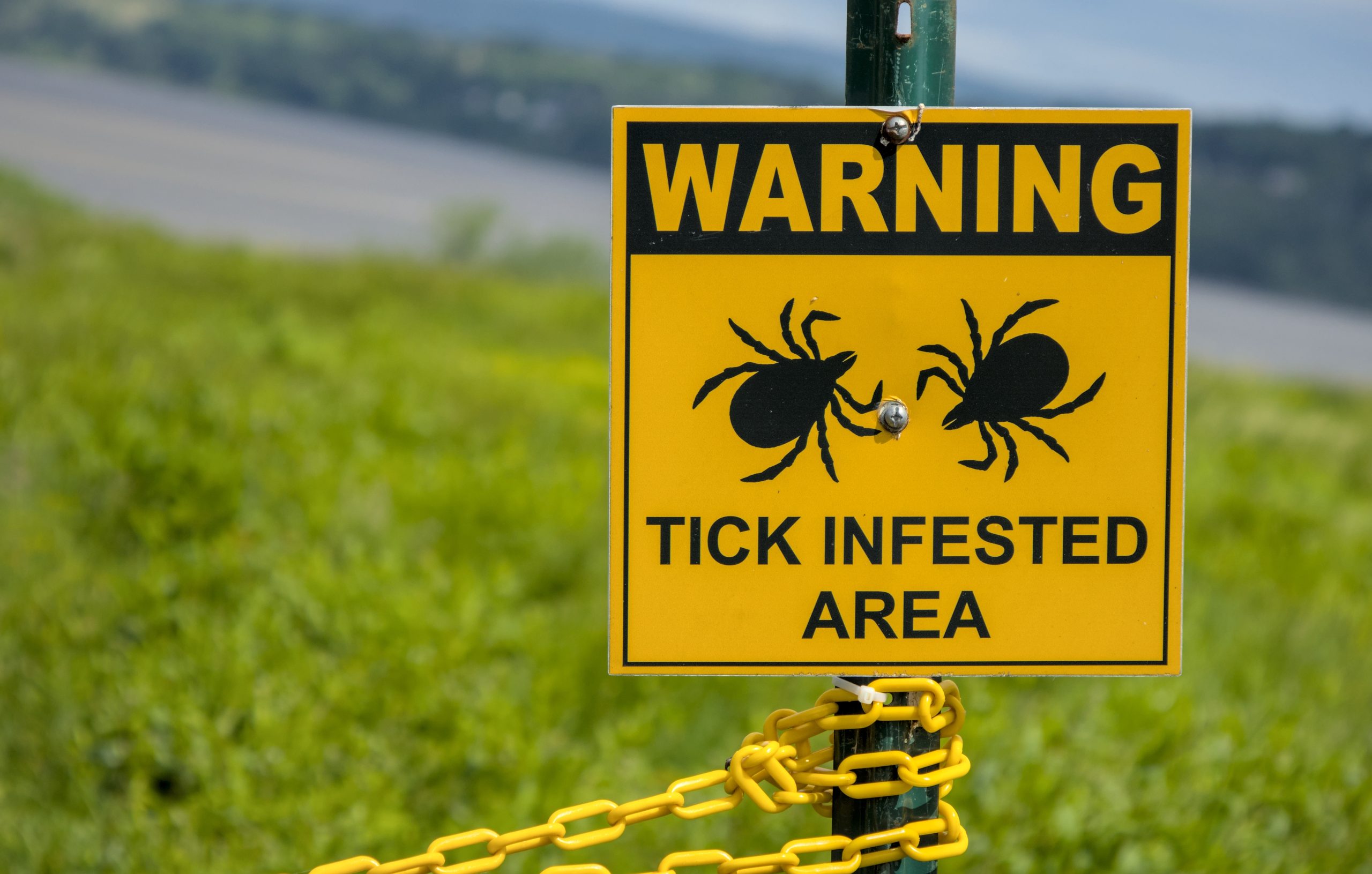
It’s common for people struggling with chronic illness to wonder whether their symptoms might come from mold, Lyme disease, or both. These two conditions often overlap, and their symptoms can look nearly identical: fatigue, joint pain, brain fog, and chronic inflammation. But an important question arises: Can mold biotoxins come from Lyme disease?
The short answer is no. Mold and Lyme disease are two distinct sources of biotoxins. Mold biotoxins come from certain fungi that grow in damp or water-damaged environments, while Lyme disease is caused by bacteria transmitted through tick bites.
However, the two conditions share something critical in common: both can trigger chronic inflammatory responses that affect the brain, immune system, and other organs. For people who have been exposed to both mold and Lyme, the effects can compound, leading to prolonged illness and confusion in diagnosis.
Understanding the relationship between mold biotoxins and Lyme disease is essential for accurate treatment, especially for those experiencing chronic inflammation or chronic inflammatory response syndrome (CIRS).
What Are Mold Biotoxins?
Mold biotoxins, also known as mycotoxins, are toxic compounds produced by certain species of mold. These toxins are part of the mold’s defense mechanism, helping it survive and outcompete other microorganisms in the environment.
When mold grows indoors, especially in water-damaged buildings (WDBs), it releases these biotoxins into the air and surrounding materials. People can then be exposed through inhalation, ingestion, or skin contact.
Common molds that produce biotoxins include Stachybotrys, Aspergillus, Penicillium, and Chaetomium. Mycotoxins can be found in building materials, HVAC systems, carpets, and even dust particles.
For most people, brief or low-level exposure may not cause long-term harm. However, those with a genetic predisposition, specifically variations in the HLA-DR gene, can struggle to detoxify and eliminate these toxins from their bodies. Instead of clearing them, their immune systems enter a chronic state of inflammation, leading to the multi-system illness known as CIRS (chronic inflammatory response syndrome).
Mold biotoxin exposure has been linked to a wide range of symptoms, including the following:
- Chronic fatigue
- Muscle and joint pain
- Brain fog and poor memory
- Headaches
- Respiratory problems
- Digestive distress
- Sensitivity to light or sound
- Mood changes and anxiety
Because mold toxins affect multiple systems, they can easily mimic other illnesses, making diagnosis and treatment challenging without a comprehensive approach.
What Is Lyme Disease?
Lyme disease is an infection caused by the bacterium Borrelia burgdorferi (and related species), transmitted through the bite of an infected black-legged tick (often called a deer tick). It’s the most common vector-borne disease in the United States and affects tens of thousands of people each year.
When a person is bitten by an infected tick, the bacteria can enter the bloodstream and spread throughout the body. Early symptoms often include the following:
- Fever and chills
- Fatigue
- Headache
- Muscle and joint aches
- Swollen lymph nodes
- A characteristic “bull’s-eye” rash (erythema migrans)
If left untreated, Lyme disease can progress to more serious complications, including the following:
- Neurological symptoms such as facial paralysis, numbness, or tingling
- Severe joint pain and arthritis, particularly in the knees
- Cognitive issues (“Lyme brain”)
- Irregular heartbeat or chest pain
- Chronic fatigue and mood changes
While antibiotics can usually treat acute Lyme infections effectively, some individuals experience lingering symptoms even after treatment, a condition often called Post-Treatment Lyme Disease Syndrome (PTLDS).
For some, this lingering inflammation can resemble or even overlap with biotoxin-related illness such as CIRS.
The Difference Between Mold Biotoxins and Lyme Disease
It’s important to understand that mold biotoxins and Lyme disease come from completely different sources and affect the body in distinct ways, even though their effects can overlap.
| Aspect | Mold Biotoxins | Lyme Disease |
| Source | Produced by molds in damp or water-damaged environments | Caused by Borrelia bacteria transmitted via tick bite |
| Type of Agent | Fungal toxin | Bacterial infection |
| Exposure Route | Inhalation, ingestion, or skin contact with spores/toxins | Bite from infected tick |
| Main Trigger | Environmental exposure | Vector-borne infection |
| Immune Response | Chronic inflammation due to toxin buildup | Inflammation due to bacterial infection |
| Treatment Focus | Detoxification and reduced inflammation | Antibiotics and immune regulation |
So, can mold biotoxins come from Lyme disease? No. Mold and Lyme are separate causes of illness, but both can lead to similar inflammatory responses.
The Connection Between Mold Biotoxins and Lyme Disease
Although mold doesn’t come from Lyme disease, these two conditions often interact in complex ways.
Both mold biotoxin exposure and Lyme disease activate the immune system and trigger the release of inflammatory molecules (cytokines). In people who are genetically or metabolically susceptible, this inflammation can spiral out of control, leading to chronic illness.
In fact, many people with chronic Lyme disease find that mold exposure worsens their symptoms, or that they don’t improve with standard Lyme treatment until mold toxicity is also addressed.
This is because mold biotoxins can do the following:
- Weaken the immune system, making it harder to fight bacterial infections
- Increase inflammation, amplifying symptoms such as fatigue, joint pain, and brain fog
- Disrupt detoxification pathways, causing toxins from both mold and bacteria to accumulate
- Affect hormone balance, leading to fatigue, mood swings, and poor sleep
- Trigger CIRS, which keeps the body in a state of chronic inflammatory overdrive
In short, while mold doesn’t come from Lyme disease, it can exacerbate Lyme symptoms and slow recovery. Similarly, unresolved Lyme disease can make a person more sensitive to mold exposure.
How to Know If You Have Mold Illness, Lyme, or Both
Distinguishing between mold biotoxins and Lyme disease requires comprehensive testing and medical evaluation, ideally by a practitioner experienced in functional and environmental medicine.
Testing may include the following:
- Mycotoxin testing (urine or blood tests to detect mold toxins)
- CIRS-specific labs such as TGF-beta1, C4a, and MMP-9
- Lyme testing, including Western blot and more sensitive molecular assays
- Visual Contrast Sensitivity (VCS) testing to detect neurological inflammation
- Environmental testing for mold contamination in your home or workplace
Because both conditions can occur together, identifying which is contributing to your symptoms—and to what degree—is essential for recovery.
Treating Mold and Lyme-Related Illness
If you have both mold illness and Lyme disease, treatment needs to be comprehensive and personalized. Simply addressing one without the other often leads to incomplete healing.
A functional medicine approach focuses on the following:
- Removing the Source of Exposure
- For mold, this may mean home testing and remediation or relocation.
- For Lyme, this involves treating the infection with appropriate antimicrobial or herbal therapies.
- Detoxifying the Body
- We can support liver function and hydration to aid natural detox pathways.
- Reducing Inflammation
- A functional medicine approach provides anti-inflammatory nutrition, supplements, and therapies to calm the immune system.
- Restoring Gut and Hormone Health
- Since chronic inflammation affects the gut and endocrine systems, rebuilding these is key to lasting recovery.
- Providing Immune Modulation
- This involves supporting proper immune balance rather than overstimulation.
Find Comprehensive CIRS and Biotoxin Care at Hope for Healing
If you suspect mold exposure, Lyme disease, or chronic inflammation, it’s important to seek care from practitioners who understand how these conditions interact.
At Hope for Healing, our team specializes in diagnosing and treating CIRS and other biotoxin-related illnesses. We use advanced testing, personalized treatment plans, and a functional medicine approach to help patients recover from chronic inflammatory illness.Learn more about CIRS and how to begin recovery from mold or Lyme-related inflammation at get2theroot.com/cirs-roadmap. You can also schedule a welcome call today!
What Is Biotoxin Illness? Understanding Chronic Inflammation and CIRS
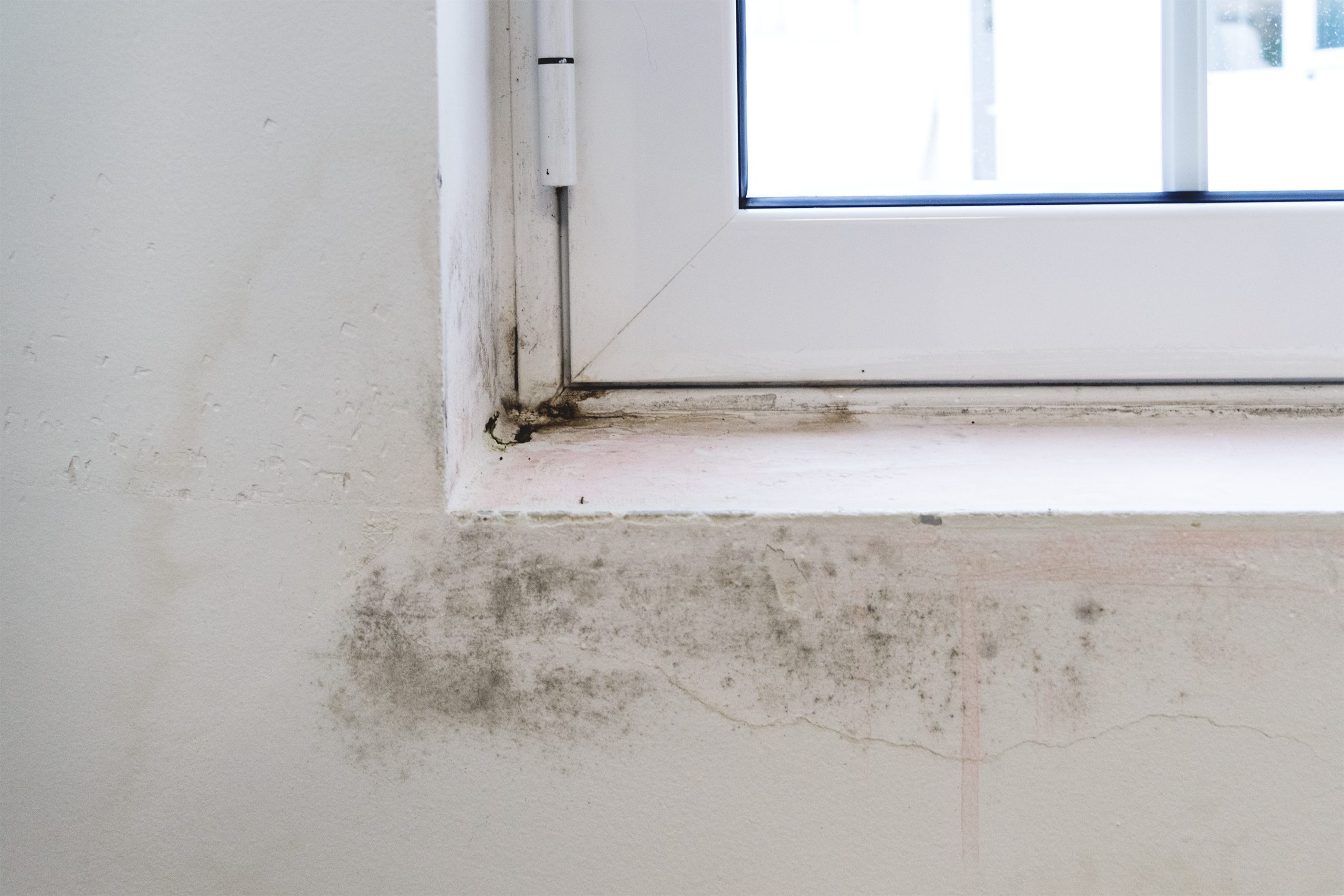
“Biotoxin illness” is a term that has gained attention in recent years, especially among people struggling with chronic unexplained symptoms such as fatigue, brain fog, pain, or immune issues. But what does “biotoxin illness” actually mean? Is it a diagnosis, or just a way of describing certain health problems?
While biotoxin illness is not a specific medical diagnosis, it refers to a cluster of conditions caused by exposure to biological toxins that trigger chronic inflammation in the body. One of the most recognized and well-studied forms of biotoxin illness is chronic inflammatory response syndrome (CIRS).
CIRS and other toxin-related illnesses demonstrate that when the body cannot properly process or eliminate certain natural toxins, the immune system can become stuck in a state of overreaction, causing real, measurable health problems that affect multiple organ systems.
Understanding biotoxin illness means understanding how toxins interact with the immune system and why some people develop chronic symptoms while others recover quickly.
What Are Biotoxins?
Biotoxins are natural toxic compounds produced by living organisms such as molds, bacteria, algae, or certain parasites. These substances are part of how those organisms survive and compete in the environment. But in humans, biotoxins can be harmful, even at extremely low levels.
Common examples of biotoxins include the following:
- Mycotoxins produced by molds in water-damaged buildings
- Endotoxins produced by bacteria found in damp or contaminated environments
- Cyanotoxins produced by blue-green algae (cyanobacteria) in lakes or rivers
- Borrelia toxins produced by the bacteria responsible for Lyme disease
People are most often exposed to biotoxins through inhalation, ingestion, or skin contact, particularly in environments with mold growth, bacterial contamination, or poor air quality.
In healthy individuals, the immune system identifies these toxins, neutralizes them, and removes them through detoxification pathways in the liver and kidneys. However, for some people, this system breaks down, leading to chronic inflammation known as biotoxin illness.
This can damage tissues, disrupt communication between organs, and lead to symptoms across multiple systems, including the following:
- The nervous system (causing brain fog and cognitive changes)
- The endocrine system (affecting hormones and metabolism)
- The immune system (weakening defense and causing overactivity)
- The digestive system (leading to gut inflammation and dysbiosis)
In other words, biotoxin illness doesn’t just affect one part of the body. It disrupts the balance and communication across many systems.
Symptoms of Biotoxin Illness
One of the most challenging aspects of biotoxin illness is that its symptoms can vary widely from person to person. This variability often leads to years of misdiagnosis or underdiagnosis.
Common symptoms include the following:
- Persistent fatigue or weakness
- Brain fog, confusion, or memory issues
- Joint or muscle pain
- Headaches or migraines
- Light sensitivity or blurred vision
- Numbness or tingling sensations
- Digestive problems such as bloating, nausea, or diarrhea
- Sleep disturbances
- Hormonal imbalances (such as thyroid or adrenal dysfunction)
- Mood swings, anxiety, or depression
Because the symptoms overlap with other chronic illnesses such as fibromyalgia, chronic fatigue syndrome, or autoimmune conditions, many patients struggle to find clear answers.
Why Biotoxin Illness Is Often Misunderstood
Biotoxin illness can be difficult for conventional medicine to categorize because it doesn’t stem from a single pathogen or injury. Instead, it represents a chronic immune dysregulation that arises after exposure to environmental toxins.
Traditional medical systems are often built to handle acute illness, such as infections, that can be treated with antibiotics or injuries that can be repaired surgically. Chronic inflammatory syndromes such as CIRS don’t fit neatly into those categories.
As a result, patients are often told their symptoms are “nonspecific,” “psychological,” or related to stress. This can delay effective treatment and prolong suffering.
However, modern research supports what patients may already suspect about biotoxin illness: it is real and measurable. Lab findings in patients with CIRS frequently show the following:
- Elevated inflammatory markers such as TGF-beta1, C4a, and MMP-9
- Hormonal and adrenal imbalances
- Reduced blood flow to certain brain regions on imaging studies
- Abnormal visual contrast sensitivity (VCS), reflecting neurological impact
These measurable differences confirm that biotoxin illness is not “in someone’s head”—it’s a physiological inflammatory response that can be quantified and treated.
Treating Biotoxin Illness
Treating biotoxin illness requires more than symptom management. It involves addressing both the exposure source and the body’s immune response.
Functional and environmental medicine practitioners typically take a comprehensive approach, which may include the following:
- Identifying and Removing the Source of Exposure
Patients may need to test their living or work environments for mold, bacteria, or other biotoxins. Proper remediation or relocation is essential before healing can begin. - Supporting Detoxification
Certain binders, such as cholestyramine or natural alternatives, help bind and remove biotoxins from the body. Supporting liver function, hydration, and nutrient levels is also key. - Reducing Inflammation
Anti-inflammatory nutrition, supplements, and therapies can help calm the immune response and support healing. - Restoring Gut Health and Hormone Balance
Because inflammation often disrupts gut and endocrine systems, restoring these functions helps reduce symptoms and improve resilience. - Addressing Immune Dysfunction
Over time, rebalancing the immune system helps reduce hypersensitivity and prevent relapse after treatment.
Why It’s Important to Take Biotoxin Illness Seriously
Even though biotoxin illness isn’t a single diagnosis, it represents a real and serious biological process that can have long-term effects on health if ignored. Chronic inflammation, neuroinflammation, and immune dysfunction can contribute to the development of autoimmune disorders, hormonal imbalances, and cognitive decline.
Acknowledging and addressing biotoxin illness means moving beyond symptom-based care and identifying the root cause of inflammation and immune dysfunction. With early detection and comprehensive care, many people can recover and regain their quality of life.
Get Help for Biotoxin Illness at Hope for Healing
If you suspect your symptoms may be related to biotoxin exposure, it’s important to work with practitioners experienced in diagnosing and treating CIRS and chronic inflammatory conditions.
AtHope for Healing, our clinical team specializes in identifying the environmental, genetic, and immune factors behind chronic inflammation. Through advanced diagnostic testing and functional medicine care, we help each patient address the true root cause of their illness.Learn more about how CIRS and biotoxin illness can be treated with a personalized, evidence-based approach at get2theroot.com/cirs-roadmap. Or you can schedule a welcome call here.
Is CIRS a Real Disease?

For many patients, chronic inflammatory response syndrome (CIRS) feels like an invisible illness, one that disrupts daily life but is often misunderstood or dismissed by conventional medicine. People suffering from CIRS may experience chronic fatigue, brain fog, pain, and other symptoms that defy easy explanation. Because these symptoms are diverse and overlap with other conditions, many patients face skepticism about whether CIRS is even a real disease.
However, emerging research in immunology, toxicology, and functional medicine has established that CIRS is a real condition. CIRS is a systemic inflammatory response triggered by the body’s inability to properly recognize and remove biotoxins: harmful substances produced by mold, bacteria, or other living organisms.
What Is CIRS?
Chronic inflammatory response syndrome (CIRS) is a real, complex, multisystem disease that develops after exposure to biotoxins, which are natural toxins produced by organisms such as mold, bacteria, or algae. In most people, the immune system recognizes and removes these toxins efficiently. But in individuals with a specific genetic susceptibility, the body fails to properly eliminate them.
Instead of clearing the toxins, the immune system remains activated indefinitely, releasing inflammatory molecules that cause widespread damage and dysfunction. This constant inflammatory state leads to symptoms that can affect nearly every organ system.
CIRS is not caused by the toxins themselves alone. It is caused by the body’s immune system response to those toxins. This makes it both an environmental and immune-mediated illness, requiring careful diagnosis and targeted treatment.
Scientific studies have confirmed that patients with CIRS exhibit measurable physiological abnormalities, including the following:
- Elevated inflammatory markers (such as TGF-beta1, C4a, and MMP-9)
- Abnormal visual contrast sensitivity (VCS) testing, indicating neuroinflammation
- Dysregulated hormonal balance and adrenal function
- Reduced blood flow to the brain on imaging studies
These findings validate that CIRS is not “all in the head.” It’s a very real, chronic immune and inflammatory condition with tangible biological signatures.
What Causes CIRS?
CIRS most often develops from prolonged exposure to environments contaminated with biotoxins. These toxins can come from various natural sources, including the following:
1. Mold in Water-Damaged Buildings
The majority of CIRS cases stem from exposure to indoor molds found in homes, offices, or schools that have experienced water damage. Mold spores release mycotoxins—microscopic compounds that can be inhaled or absorbed through the skin, leading to chronic immune activation.
2. Bacterial Toxins
Certain bacteria found in damp environments can produce endotoxins that trigger inflammation. Even after the initial exposure ends, remnants of these bacterial toxins can persist in the body.
3. Cyanobacteria (Blue-Green Algae)
Exposure to water contaminated with cyanobacteria, often seen in lakes and rivers affected by algal blooms, can release neurotoxins and hepatotoxins into the body.
4. Tick-Borne Illnesses and Other Infections
Diseases such as Lyme can introduce bacterial biotoxins directly into the bloodstream, mimicking or compounding CIRS symptoms.
In all cases, the body’s failure to neutralize and clear these toxins results in long-term inflammation.
The Symptoms of CIRS
Because CIRS affects multiple systems, its symptoms can appear unrelated and confusing. This is one reason why it is frequently misdiagnosed as chronic fatigue syndrome, fibromyalgia, depression, or anxiety—and why some people don’t believe CIRS is even a real disease.
Common symptoms include the following:
- Persistent fatigue that doesn’t improve with rest
- Memory issues, difficulty concentrating, or “brain fog”
- Muscle or joint pain without clear cause
- Digestive issues such as bloating, nausea, or diarrhea
- Chronic sinus problems or shortness of breath
- Numbness, tingling, or dizziness
- Sensitivity to light, sound, or temperature
- Anxiety, irritability, or mood swings
- Hormonal changes, including menstrual irregularities
Because symptoms vary from person to person, proper testing is essential to distinguish CIRS from other inflammatory or autoimmune diseases.
Why Some People Think CIRS Is Not a Real Disease
CIRS is sometimes misunderstood or dismissed by traditional medicine because it does not fit neatly into one medical specialty. The condition involves multiple systems (neurological, endocrine, immune, and respiratory), and its symptoms often appear gradually.
In many cases, patients with CIRS have been told that their symptoms are stress-related or psychosomatic. Others have been treated symptom by symptom without addressing the underlying cause: biotoxin exposure and immune dysregulation.
However, medical research has made it increasingly clear that CIRS is a real physiological syndrome. Studies conducted by physicians and researchers have established diagnostic criteria, laboratory markers, and reproducible testing methods that identify CIRS as a distinct clinical entity.
The term “syndrome” does not imply that CIRS is less real or severe than a more full-blown disease—it simply means it is a collection of symptoms with a common cause and mechanism. In fact, many recognized medical conditions, including irritable bowel syndrome (IBS) and chronic fatigue syndrome (CFS), are also classified as syndromes.
What matters most is that CIRS involves measurable inflammation, immune dysfunction, and environmental triggers—all of which make it a very real and treatable condition.
How CIRS Affects the Brain
One of the most impactful consequences of CIRS is neuroinflammation, or inflammation within the brain. Biotoxins can cross the blood-brain barrier, leading to the following symptoms:
- Reduced oxygen and blood flow to certain brain regions
- Disrupted neurotransmitter balance
- Impaired memory and attention
- Mood instability and anxiety
Brain imaging studies in CIRS patients often reveal altered blood flow patterns that correspond with cognitive and emotional symptoms. This neurological component explains why many CIRS patients experience “brain fog” or find it difficult to concentrate or process information.
Diagnosing CIRS
Diagnosis requires a detailed medical history, environmental exposure assessment, and laboratory testing. Because symptoms overlap with many other conditions, accurate diagnosis depends on specialized evaluations such as the following:
- Blood tests for inflammatory and immune markers (C4a, MMP-9, TGF-beta1)
- Visual Contrast Sensitivity (VCS) testing for neuroinflammation
- Environmental testing for mold or other biotoxin presence in living spaces
Functional medicine clinics such as Hope for Healing specialize in this kind of comprehensive approach—looking at environmental, genetic, and physiological factors together.
Treating CIRS
Successful treatment for CIRS requires addressing both the environmental source and the body’s internal response.
Key treatment steps include the following:
- Removing biotoxin exposure: Identifying and remediating mold or bacterial sources in the home or workplace
- Providing detoxification protocols: Using binders (such as cholestyramine or natural alternatives) to remove toxins from circulation
- Reducing inflammation: Incorporating anti-inflammatory nutrition, supplements, and therapies
- Regulating the immune system: Supporting immune recovery through targeted functional medicine approaches
- Restoring gut and hormonal balance: Repairing the gut lining and rebalancing hormones affected by chronic inflammation
With proper care, many patients see significant improvements in energy, cognition, and overall well-being.
Hope for Healing: Functional Medicine Care for CIRS
If you have been experiencing unexplained fatigue, cognitive symptoms, or chronic inflammation and you suspect mold or biotoxin exposure, Hope for Healing can help. Our functional medicine team specializes in diagnosing and treating CIRS using advanced testing and personalized care plans. We work to identify the environmental triggers behind illness, support detoxification, and guide patients toward long-term recovery.CIRS is real, and with the right care, it’s treatable. Learn more about how functional medicine at Hope for Healing can help you heal from biotoxin illness by scheduling a welcome call today.
What Are Biotoxins?
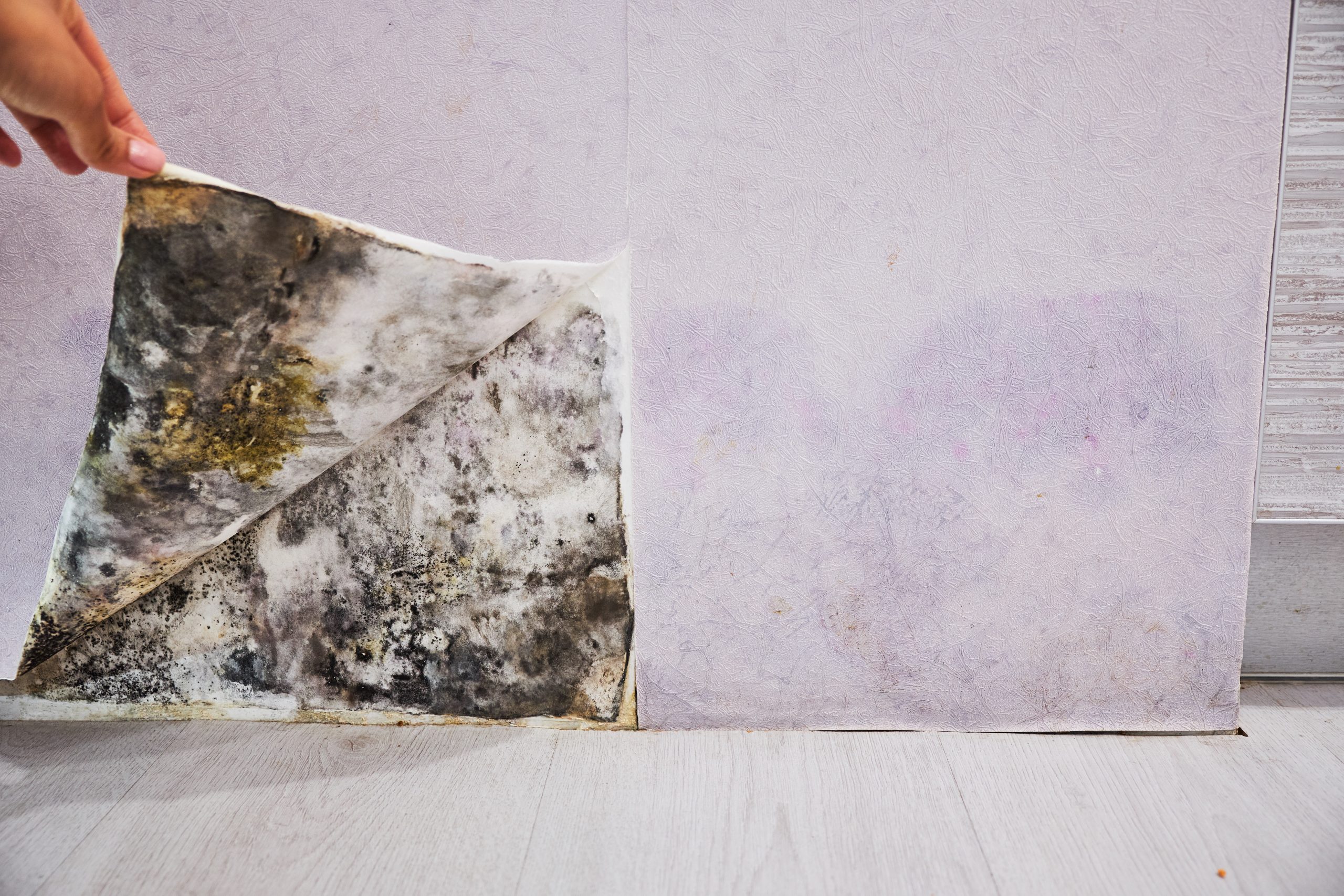
Biotoxins are toxic substances produced by living organisms such as mold, bacteria, or algae. These naturally occurring toxins can cause significant harm to human health when inhaled, ingested, or absorbed through the skin. While many people associate “toxins” with synthetic chemicals or pollution, biotoxins are organic and can exist in everyday environments, including homes, workplaces, and natural settings.
Exposure to biotoxins can trigger a wide range of health effects. For some people, the immune system successfully identifies and eliminates these toxins. For others, especially those with certain genetic susceptibilities, the body struggles to recognize or remove them. This can lead to an ongoing immune reaction known as chronic inflammatory response syndrome (CIRS).
Understanding what biotoxins are and how they interact with the body is essential for preventing long-term health consequences and seeking proper treatment.
The Science Behind Biotoxins
Biotoxins are biological poisons created by organisms as a means of defense or metabolism. They can be found in a wide range of sources, including molds growing in damp buildings, bacteria in contaminated water, or algae in lakes and oceans. Unlike chemical toxins, biotoxins are organic molecules that can bind to receptors in the body and disrupt normal cell function.
Once they enter the body, biotoxins can interfere with immune signaling, hormone balance, and mitochondrial energy production. This disruption leads to inflammation and dysfunction across multiple systems, especially in individuals whose immune systems fail to clear the toxins effectively.
Over time, this persistent immune activation can cause chronic inflammation, fatigue, neurological symptoms, and other systemic issues associated with CIRS.
Common Sources of Biotoxin Exposure
Biotoxins can enter your environment or body through several different pathways. Some of the most common sources include the following:
1. Mold from Water-Damaged Buildings (WDBs)
Indoor mold exposure is one of the most frequent causes of biotoxin-related illness. When buildings experience water damage due to leaks, flooding, or poor ventilation, mold can grow behind walls, in air conditioning systems, or under flooring. Mold releases microscopic spores and mycotoxins that can be inhaled or absorbed through the skin.
For those sensitive to what biotoxins can produce, this can trigger ongoing inflammation long after the exposure ends.
2. Bacterial Toxins
Certain bacteria, including species found in water-damaged environments, can produce endotoxins and exotoxins. These bacterial toxins can cause inflammation in the respiratory system, gut, and immune system.
3. Algal Blooms (Cyanobacteria)
Blue-green algae (cyanobacteria) found in contaminated lakes or rivers can produce powerful neurotoxins and hepatotoxins. Exposure can occur through swimming, ingestion, or inhalation of contaminated water droplets.
4. Tick-Borne Illnesses and Other Infections
Infections such as Lyme disease can lead to the production of bacterial biotoxins that contribute to chronic inflammation. In these cases, whatever biotoxins are produced will be generated inside the body as part of the infection process.
5. Food Sources
In rare cases, biotoxins can enter the body through contaminated food, such as certain shellfish that have ingested algae producing harmful toxins.
How Biotoxins Affect the Body
The body’s natural defense system is designed to recognize and eliminate foreign substances. When functioning correctly, the immune system recognizes what biotoxins are and tags them for removal through the liver and kidneys. However, in individuals with a genetic predisposition (estimated at around 25% of the population), the immune system fails to recognize what these biotoxins are: invaders.
As a result, biotoxins remain in the body, continually activating the immune system and releasing inflammatory chemicals called cytokines. This creates a chronic inflammatory response, which can affect nearly every organ system.
The inflammation caused by biotoxins often leads to oxidative stress, hormonal imbalance, and mitochondrial dysfunction, the latter of which disrupts energy production at the cellular level. Over time, this process can result in fatigue, brain fog, pain, mood changes, and a host of other symptoms.
The Link Between Biotoxins and CIRS
Chronic inflammatory response syndrome (CIRS) is the medical condition that arises when the body cannot properly detoxify or regulate its response to biotoxin exposure. It is a multisystem, multisymptom illness that results from immune dysregulation and inflammation triggered by these toxins.
CIRS can affect the nervous system, endocrine system, digestive tract, and respiratory system simultaneously, making it difficult to diagnose using standard medical tests.
What Makes Biotoxins Lead to CIRS
- Exposure: The individual encounters mold, bacteria, or another biotoxin source.
- Immune Response: The body attempts to identify and eliminate the toxin.
- Failure to Clear: Due to genetic or immune dysfunction, the toxin is not recognized or properly processed.
- Inflammation: The immune system remains in a constant state of activation, leading to widespread inflammation.
- Systemic Effects: Inflammation and immune dysregulation affect multiple organs and systems, resulting in diverse and persistent symptoms.
Common Symptoms of Biotoxin Illness and CIRS
Because CIRS impacts many body systems, symptoms can vary widely from person to person. However, some of the most common include the following:
- Persistent fatigue and weakness
- Brain fog, memory issues, and difficulty concentrating
- Chronic sinus congestion or respiratory problems
- Muscle or joint pain
- Numbness, tingling, or dizziness
- Digestive issues such as bloating, nausea, or diarrhea
- Heightened sensitivity to light, sound, or temperature
- Mood changes, including anxiety, irritability, or depression
- Hormonal imbalances or menstrual irregularities
These symptoms often appear unrelated, which is why patients with CIRS frequently see multiple specialists before receiving an accurate diagnosis.
How CIRS Is Diagnosed and Treated
CIRS diagnosis often includes the following:
- Medical history review, including environmental exposure assessment
- Laboratory tests for inflammatory markers and immune dysfunction
- Visual contrast sensitivity (VCS) testing to assess neurological impact
- Environmental testing for mold or whatever other biotoxins may be present
The cornerstone of CIRS treatment is removing the source of exposure and supporting the body’s ability to detoxify and recover. Treatment may include the following:
- Eliminating exposure: Identifying and remediating mold or other biotoxin sources
- Providing detoxification support: Using binders and nutrition to remove toxins from circulation
- Regulating the immune system: Balancing immune activity through targeted supplementation or therapies
- Reducing inflammation: Using anti-inflammatory interventions, diet, and lifestyle strategies
- Restoring gut health: Repairing the gut lining and microbiome to support immune function
Functional medicine offers a holistic framework for this process, integrating environmental medicine, immunology, and nutrition to address both cause and consequence.
Get Help for Biotoxin Illness at Hope for Healing
Biotoxin-related illness is complex, but recovery is possible with the right approach. At Hope for Healing, our team uses a functional medicine model to identify and treat CIRS and other chronic conditions linked to environmental toxins.
Our comprehensive care includes advanced diagnostic testing, detoxification support, and personalized treatment plans designed to restore balance to the immune and inflammatory systems.
If you suspect that mold or other environmental factors may be affecting your health, Hope for Healing can help you uncover the source of your symptoms and begin the journey toward recovery.
What Is Chronic Inflammatory Response Syndrome (CIRS)?

Chronic inflammatory response syndrome, or CIRS, is a complex multisystem illness triggered by prolonged exposure to biotoxins such as mold, bacteria, or other environmental toxins. These toxins initiate an abnormal and persistent immune response that can affect nearly every part of the body. Because the symptoms of CIRS are so broad and overlap with other conditions, it often goes unrecognized or misdiagnosed for years.
Understanding what CIRS is and how it affects the body is essential to getting proper care and recovery.
The Science Behind CIRS
CIRS occurs when the body’s immune system cannot properly identify and eliminate biotoxins. Normally, the immune system recognizes toxins and clears them out through natural detoxification pathways. But in some individuals, often due to specific genetic markers, the immune system fails to recognize these harmful substances.
Instead of being cleared, biotoxins remain in circulation and trigger a chronic inflammatory response. This ongoing inflammation can impact multiple systems at once, including the nervous, immune, respiratory, and digestive systems. Over time, this constant state of inflammation can cause a range of physical and cognitive symptoms.
The most common source of biotoxin exposure is water-damaged buildings (WDBs) where mold thrives. However, CIRS can also result from exposure to bacteria, Lyme disease, or toxins from harmful algae.
Common Symptoms of CIRS
Because CIRS impacts multiple systems, symptoms vary from person to person. However, several hallmark signs are frequently seen:
- Chronic Fatigue – Persistent exhaustion that doesn’t improve with rest
- Cognitive Dysfunction (Brain Fog) – Difficulty concentrating, remembering, or focusing on tasks
- Muscle and Joint Pain – Inflammation that causes stiffness or soreness that mimics arthritis or fibromyalgia
- Respiratory Problems – Coughing, shortness of breath, or sinus congestion
- Neurological Symptoms – Numbness, tingling, dizziness, or vertigo due to neuroinflammation
- Digestive Issues – Bloating, abdominal pain, and nausea due to gut inflammation and microbial imbalance
- Sensitivity to Light or Sound – Heightened reactivity to sensory input, linked to neuroinflammation
- Mood Changes – Depression, anxiety, irritability, or mood swings caused by inflammation in the brain
Because CIRS affects so many systems, its pattern can appear randomly. A combination of fatigue, pain, brain fog, and gut problems, especially following mold exposure, should raise suspicion for people wondering what CIRS is and whether they have it.
How CIRS Affects the Brain
One of the most concerning aspects of what CIRS can do is its impact on brain function. The inflammatory response triggered by biotoxins can lead to neuroinflammation, which interferes with how neurons communicate. This can cause symptoms such as confusion, memory lapses, anxiety, and impulsivity.
Inflammation may also alter blood flow in the brain, contributing to “brain fog” and slower processing speeds. Over time, if untreated, these neurological effects can worsen and contribute to chronic mood or cognitive disorders.
What Causes CIRS?
While mold exposure is the most common trigger, CIRS can develop from a range of biotoxin sources and environmental stressors.
- Indoor Mold and Water Damage: This is the primary cause. Mold spores release mycotoxins that can become airborne and easily inhaled.
- Bacterial Infections: Certain bacteria in water-damaged environments can produce toxins that have similar effects to mold.
- Lyme Disease: The infection caused by Borrelia burgdorferi can trigger a CIRS-like inflammatory response.
- Toxins and Pollutants: Environmental chemicals or heavy metals can act as secondary triggers that overwhelm the immune system.
Not everyone exposed to these triggers develops CIRS. Genetic susceptibility plays a major role in how the body responds to toxins and whether it can effectively eliminate them.
Treatment and Recovery Through Functional Medicine
Patients asking what CIRS is will quickly learn it is a systemic illness. Therefore, treatment must address the root cause, not just suppress symptoms. At Hope for Healing in Houston and Shenandoah, TX, practitioners use a functional medicine model that focuses on the interactions between the immune, endocrine, and nervous systems in CIRS cases.
Here’s how a functional medicine approach helps identify and treat CIRS effectively:
1. Comprehensive Diagnostics
Diagnosing CIRS requires specialized testing that goes beyond standard lab work. Hope for Healing uses advanced assessments to measure inflammatory markers, immune dysfunction, and biotoxin exposure. They may also evaluate the patient’s environment for mold or water damage to locate the ongoing source of toxins.
2. Personalized Treatment Plans
Each CIRS case is unique. Personalized care is essential because no two patients respond the same way. Hope for Healing develops tailored protocols that combine detoxification, immune modulation, and inflammation control based on each patient’s individual needs.
3. Detoxification and Biotoxin Removal
Detoxification is a cornerstone of recovery. Removing toxins allows the immune system to reset. Treatment may include natural binders, hydration, nutrition, and lifestyle changes to reduce ongoing exposure.
4. Environmental and Mold Remediation
Since the environment often fuels illness, remediation is crucial. Patients are guided through testing and mold removal to ensure they are no longer being re-exposed. Professional remediation is sometimes necessary for complete recovery.
5. Immune Support and Regulation
CIRS disrupts immune balance, leaving the body both overactive and under-defended. Functional medicine strategies include immune-modulating supplements, stress reduction techniques, and targeted therapies to restore immune balance.
6. Inflammation Reduction
Reducing chronic inflammation is key to healing. Hope for Healing incorporates anti-inflammatory nutrition, supplements, and therapies that calm the inflammatory response throughout the body.
7. Gut Health Restoration
Because gut inflammation is often a major component of what CIRS produces, rebuilding gut integrity is essential. Treatment may involve probiotics, gut-healing nutrients, and diet adjustments that promote microbial balance and reduce intestinal permeability.
Why Treating CIRS Matters
CIRS doesn’t just cause discomfort. It can profoundly affect long-term health if left untreated. Ongoing inflammation contributes to oxidative stress, mitochondrial dysfunction, and increased risk of autoimmune issues. Many patients also experience worsening neurological and cognitive symptoms over time.
Early intervention can prevent these long-term complications. Functional medicine offers one of the most comprehensive approaches for understanding and addressing CIRS at its root, rather than masking symptoms with short-term relief.
Hope for Healing and CIRS Care
What is CIRS? It is a complex and often misunderstood illness, but recovery is possible with the right diagnosis and care. At Hope for Healing, patients receive comprehensive, compassionate treatment that targets the root cause of inflammation and supports full-body healing.
If you suspect mold or biotoxin exposure may be contributing to your symptoms, it’s important not to ignore them. Hope for Healing’s functional medicine team can help you identify the source, understand your unique response, and begin a treatment plan built for long-term wellness.
What Is Pediatric Autism Spectrum Disorder?

Pediatric autism spectrum disorder (ASD) is a developmental condition that affects how children communicate, process sensory information, and engage with the world around them. It’s called a “spectrum” because symptoms and abilities vary widely from child to child—no two individuals experience autism in the same way. While some children may have challenges with social interaction or speech, others may show advanced skills in memory, logic, or creativity.
At Hope for Healing, we view autism not as a limitation but as a unique neurological pattern that deserves understanding and support. Our goal is to uncover why each child’s brain and body functions differently and to create individualized pathways that promote better communication, regulation, and connection.
Understanding Pediatric Autism Spectrum Disorder
Autism spectrum disorder is typically diagnosed in early childhood, though signs may appear as early as 12 to 24 months. It encompasses a broad range of behaviors, interests, and developmental differences that influence how a child perceives and interacts with their environment.
While many families first notice delays in speech or social engagement, pediatric autism spectrum disorder also involves deeper biological and neurological factors. These may include differences in sensory processing, immune response, and gut-brain communication—all of which can affect mood, attention, and behavior.
Our team at Hope for Healing works to identify these contributing factors to provide a clearer picture of what’s happening beneath the surface, allowing for more effective and sustainable progress.
Common Signs and Symptoms of Autism
The signs of pediatric autism spectrum disorder vary greatly in intensity and combination, but some common patterns often emerge in early childhood.
Parents or caregivers may notice the following signs:
- Limited or delayed speech and communication
- Difficulty maintaining eye contact or responding to their name
- Repetitive movements such as hand-flapping or rocking
- Sensitivity to sounds, lights, or textures
- Strong preferences for routine and structure
- Intense interests in specific topics or objects
- Challenges with transitions or changes in environment
It’s important to remember that autism is not a single set of traits—it’s a wide range of experiences. Some children may be highly verbal and social but struggle with sensory regulation or attention. Others may have fewer words but demonstrate exceptional memory or pattern recognition skills. Each child’s needs are unique, and understanding their specific strengths and challenges is key to effective support.
Root Causes and Contributing Factors
While genetics play a role in pediatric autism spectrum disorder, research continues to reveal the impact of environmental, nutritional, and metabolic factors on brain development. In functional and integrative medicine, we look closely at how these factors interact.
For example, gut health has a profound influence on brain function. Many children with autism experience digestive symptoms, food sensitivities, or imbalanced gut bacteria, which can affect neurotransmitter production and inflammation levels. Similarly, nutrient deficiencies—such as low vitamin D, zinc, or omega-3 fatty acids—may influence cognitive and emotional regulation.
Our approach focuses on identifying and correcting these imbalances to help the body and brain communicate more efficiently. By supporting cellular and metabolic health, we often see improvements in focus, mood, sleep, and language development.
How Hope for Healing’s Approach Differs
At Hope for Healing, we believe that every child with pediatric autism spectrum disorder deserves care that honors their individuality. Rather than focusing solely on behavior, we address the biological foundations that shape that behavior. Our pediatric specialists use advanced testing and integrative therapies to understand what’s happening at the root level—physically, neurologically, and emotionally.
Our process includes the following:
- Comprehensive health and developmental assessments
- Functional lab testing to identify nutritional and metabolic imbalances
- Personalized dietary and supplement plans
- Neurodevelopmental exercises that strengthen brain-body connections
- Collaboration with speech, occupational, and behavioral therapists
This whole-child approach allows us to create care plans that support growth in every area—from communication and cognition to sensory tolerance and emotional balance.
Supporting the Gut-Brain Connection
One of the most significant breakthroughs in research into pediatric autism spectrum disorder has been the recognition of the gut-brain axis—the two-way communication system between the digestive tract and the nervous system. In children with autism, this connection can be disrupted by inflammation, poor digestion, or food sensitivities, leading to a range of symptoms such as irritability, poor sleep, or sensory overwhelm.
By addressing gut health through nutrition, probiotics, and gentle detoxification, our specialists help regulate the nervous system and enhance learning and focus. Many parents notice that as their child’s digestion improves, so does their attention, communication, and emotional stability.
Empowering Families Through Education and Support
Pediatric autism spectrum disorder doesn’t just affect the child—it transforms the entire family’s daily rhythm. That’s why Hope for Healing places a strong emphasis on parent education and empowerment. We guide families through every step of the process, explaining test results, helping them make nutritional changes, and providing tools to create calmer home environments.
Parents often tell us that understanding why their child reacts a certain way helps them respond with greater patience and clarity. This shared understanding not only strengthens family relationships but also reinforces progress made in therapy and daily life.
A Path Toward Growth and Connection
Pediatric autism spectrum disorder is not a barrier to joy, learning, or love—it’s a different way of experiencing the world. With the right care, many children on the spectrum gain new communication skills, emotional awareness, and confidence that enrich every part of their lives. Our role is to guide families toward that transformation through compassion, science, and personalized care.
At Hope for Healing, we don’t aim to “fix” autism—we aim to help each child reach their fullest potential by supporting how their unique brain and body work best together.
Contact Us Today
If you’re seeking answers or support from a team that looks beyond symptoms of pediatric autism spectrum disorder to find the root causes of your child’s challenges, we invite you to connect with Hope for Healing. Schedule a welcome call with us today to learn how our Autism Advancement Care Path can help your child build stronger connections and lasting growth.
Pediatric Autism Specialists in The Woodlands

When parents begin searching for autism care, they often find themselves choosing between medical interventions and behavioral therapies—but at Hope for Healing, we believe that effective autism support requires both. Our pediatric autism specialists in The Woodlands offer an integrative, evidence-based approach that looks beyond labels to uncover why a child’s body and brain may be struggling to connect, communicate, or self-regulate. By understanding the root causes behind developmental and behavioral challenges, we help each child move toward lasting progress rather than short-term symptom relief.
How Hope for Healing’s Approach Is Different
Traditional autism care often focuses on managing outward behaviors. While behavioral therapies such as ABA and speech therapy can be helpful, they don’t always address the underlying physiological imbalances that may contribute to sensory overload, communication challenges, or emotional dysregulation. Hope for Healing bridges that gap by combining functional medicine, neurodevelopmental assessment, and individualized care for the whole child.
Our pediatric autism specialists in The Woodlands look at the body as an interconnected system—the brain, gut, immune system, and hormones all influence one another. Rather than asking, “What diagnosis does this child have?” we ask, “What factors are influencing how this child’s brain is developing and functioning?” This perspective allows us to identify barriers to growth that other programs may overlook, including nutritional deficiencies, inflammation, food sensitivities, and detoxification issues.
Looking Beneath the Surface: The Functional Medicine Difference
Children on the autism spectrum often experience more than neurological differences—they may also have underlying imbalances that affect sleep, digestion, focus, and mood. Our functional medicine–based approach investigates these areas through specialized testing and detailed health histories.
We assess how environmental, genetic, and metabolic factors are impacting the child’s development. For example, nutrient deficiencies, food intolerances, or gut dysbiosis can all influence neurotransmitter production and brain signaling. Addressing these biological components doesn’t replace behavioral therapy—it enhances it by helping the brain function more efficiently.
By improving cellular health and reducing inflammation, many children experience better communication, emotional regulation, and learning capacity. When the body is healthier, the brain can make stronger, more lasting connections.
Personalized Plans for Every Child
No two children experience autism in the same way. That’s why Hope for Healing’s pediatric autism specialists in The Woodlands design their care around personalization. After an in-depth evaluation, our team creates a tailored plan that may include the following:
- Functional lab testing to identify nutrient, hormone, and gut health imbalances
- Dietary guidance to reduce inflammation and improve focus
- Targeted supplementation for cellular repair and neurological function
- Neurodevelopmental exercises that support brain-body coordination
- Collaboration with therapists and educators to create consistent support across settings
Each care plan evolves as the child grows, ensuring that interventions stay aligned with their current needs. Parents are partners in the process—learning how to support progress at home and understanding why specific changes help their child thrive.
Restoring Connection Through the Gut-Brain Axis
One of the hallmarks of Hope for Healing’s pediatric autism specialists in The Woodlands is our emphasis on the gut-brain connection. Research continues to show that gut health directly affects cognitive function, emotional stability, and sensory processing. Many children on the spectrum experience digestive challenges such as constipation, food sensitivities, or poor nutrient absorption, all of which can influence brain activity.
By supporting gut health through nutrition, probiotics, and gentle detoxification, we help calm inflammation and improve neurotransmitter balance. Parents often notice positive shifts in attention, sleep, and emotional regulation as gut function improves. Healing the body’s internal environment gives children a stronger foundation for learning and social engagement.
Supporting Sensory and Emotional Regulation
Many children with autism experience sensory processing challenges—loud sounds, bright lights, or certain textures can trigger discomfort or overwhelm. Our pediatric autism specialists in The Woodlands address these issues holistically, identifying both environmental triggers and internal factors such as inflammation or nutrient deficiencies that may amplify sensitivity.
We incorporate strategies that calm the nervous system and build tolerance over time, including therapeutic movement, regulated breathing techniques, and targeted nutritional support. These interventions don’t just reduce meltdowns or sensory overload; they empower children to feel safer and more at ease in their surroundings, which leads to more consistent progress in therapy and daily life.
Collaboration That Extends Beyond the Clinic
True progress happens when care continues beyond appointments. In The Woodlands, Hope for Healing’s pediatric autism specialists partner with families, educators, and therapists to ensure that every child receives cohesive, consistent support across all environments. Our specialists work with school teams to align dietary plans, emotional regulation techniques, and learning accommodations.
We also provide ongoing education for parents, helping them understand the biological and developmental aspects of autism so they can advocate confidently for their child. By strengthening communication among caregivers, clinicians, and educators, we create an integrated circle of care that promotes stability, trust, and growth for the entire family.
A Team That Treats the Whole Child
Our pediatric autism specialists in The Woodlands are more than clinicians—they are compassionate partners who believe in every child’s potential. We know that progress looks different for every family, and our role is to support that journey with empathy, patience, and scientific precision.
We collaborate with a network of practitioners, including pediatricians, therapists, and educators, to ensure that every aspect of a child’s development is supported. Families are never left to navigate care alone. Through continuous communication and encouragement, we help create an environment where each child can grow in confidence, independence, and joy.
Empowering Families with Knowledge and Hope
Hope for Healing was founded on a simple belief: when parents understand what’s truly happening in their child’s body, they can make informed decisions that create real change. Our pediatric autism specialists in The Woodlands take time to explain every test result, every recommendation, and every milestone. We want families to feel empowered, not overwhelmed.
By teaching parents how to track progress, make dietary changes, and create calm, sensory-friendly routines at home, we extend healing beyond the clinic. Families often share that, for the first time, they feel like they’re working with their child’s body instead of against it—and that’s where transformation begins.
Contact Our Woodlands Pediatric Autism Specialists Today
If you’re looking for a pediatric autism specialist in The Woodlands who focuses on uncovering the root causes of your child’s challenges, we invite you to discover Hope for Healing’s integrative care model. Schedule a welcome call today to learn how our Autism Advancement Care Path can help your child experience greater connection, calm, and growth.
“Autoimmune disease awareness could save children’s lives” – Fox 26 Houston Feature on PANS/PANDAS

Dr. Kruppstadt was recently featured on Fox 26 Houston to discuss autoimmune disease and pediatric health. PANS/PANDAS can lead to behavioral and personality changes overnight. This can be frightening for parents, siblings, and caregivers – not to mention the child themselves. This condition is caused by an underlying infection (often strep throat) that attacks the brain.
But integrative pediatrics can help. Through dietary and lifestyle changes, we can help the child’s brain recover. Specifically, we often remove inflammatory agents like dairy and gluten to assist recovery. Dr. Kruppstadt advises parents not to wait if they notice significant and rapid changes in their child’s behavior. Discuss PANS/PANDAS with a healthcare professional.
Video not working? Use this link.
To learn more about our integrative pediatric services, click here.
Will Autism Get Worse with Age?

When parents first hear the word autism, one of their first questions is often “Will autism get worse as my child ages?” It’s a natural concern—you want to understand what your child’s future might look like and what steps you can take to help them thrive. The good news is that autism does not inherently “get worse” with age. Instead, a person’s experience with autism can evolve depending on the type of support, therapies, and environment they receive throughout their life.
At Hope for Healing, we specialize in helping children and families navigate these changes with confidence and clarity. Our pediatric autism specialists in The Woodlands focus on uncovering the root causes that influence development, helping children build the neurological, emotional, and social tools they need to adapt and grow.
Understanding Autism Across the Lifespan
Autism spectrum disorder (ASD) is a neurodevelopmental condition, meaning it affects how the brain grows and organizes connections throughout life. While autism itself doesn’t worsen with age, the challenges associated with it can become more noticeable or complex as social, academic, and environmental demands increase.
For example, a child who manages well in preschool may struggle more in middle school, where social cues become more nuanced and sensory environments more stimulating. Similarly, adults with autism may experience increased anxiety or burnout if they don’t have strong regulation tools or supportive environments.
The encouraging reality is that early intervention and continuous support—tailored to the individual’s needs—can significantly improve long-term outcomes. The brain remains capable of growth and adaptation throughout life, especially when the right systems are in place to nurture it.
What the Research Shows
Decades of research suggest that autism is not a degenerative condition, meaning autism does not get worse with age. Instead, individuals with autism continue to learn, adapt, and gain skills well into adulthood. Studies have shown that many children experience reductions in symptom intensity over time, particularly when therapies are personalized and consistent.
For instance, early interventions that address communication, social understanding, and sensory processing have been shown to promote meaningful progress in daily functioning. Likewise, addressing underlying biological imbalances—such as gut inflammation, nutrient deficiencies, or sleep disturbances—can enhance neurological function and emotional stability.
Children and adults alike benefit most when care takes into account not just behavior but biology. That’s where the functional medicine model—such as the one used at Hope for Healing—helps transform outcomes over the long term.
Factors That Influence Progress
Even though autism does not inherently get worse with age, autism is not static. Every individual’s experience is shaped by both internal and external factors, including the following:
- Supportive environments: Consistent routines, patient caregivers, and understanding educators can dramatically improve comfort and confidence.
- Physical health: Chronic inflammation, poor nutrition, or unresolved gut issues can influence brain health, focus, and behavior.
- Emotional well-being: Mental health support for anxiety or sensory overwhelm helps individuals regulate more effectively.
- Early and ongoing therapy: Access to speech, occupational, and neurodevelopmental therapies gives individuals tools to communicate, self-regulate, and interact with others.
- Parental involvement: Engaged, informed parents play a central role in sustaining progress by continuing strategies at home.
When these factors align, children often experience fewer struggles and greater independence as they age.
The Role of Functional Medicine in Long-Term Growth
At Hope for Healing, we take a root-cause approach to autism care. We recognize that neurological development doesn’t occur in isolation—it’s deeply influenced by nutrition, metabolism, and the gut-brain connection. By investigating how these systems interact, we can identify underlying imbalances that may make self-regulation, communication, or sleep more difficult.
Through functional lab testing, nutritional support, and neurodevelopmental exercises, we aim to optimize how the brain and body work together. When inflammation decreases and nutrient absorption improves, many families report better focus, fewer meltdowns, improved language skills, and calmer emotional states. Over time, this leads to lasting developmental growth rather than decline.
Building Lifelong Tools for Social and Emotional Development
Autism may shape how a person experiences the world, but it doesn’t define their capacity for growth. It doesn’t have to get worse as people age. With proper guidance, individuals with autism can learn practical tools that support independence, communication, and emotional regulation.
At Hope for Healing, we teach families strategies that encourage lifelong progress, such as the following:
- Helping children identify sensory triggers and develop calming techniques
- Teaching social awareness and conversation skills in real-world contexts
- Strengthening emotional intelligence and self-regulation through brain-body exercises
- Building confidence by celebrating small milestones of progress
As children mature, these skills lay the foundation for resilience—allowing them to navigate transitions, relationships, and responsibilities with greater ease.
How Families Can Support Continued Growth
Families play an essential role in how autism evolves through life. Creating a calm, predictable home environment can help children feel safe and capable of learning. Consistency between home and therapy settings reinforces progress, while open communication with teachers and providers ensures everyone works toward shared goals.
Equally important is self-care for parents. Caring for a neurodiverse child requires patience, emotional energy, and adaptability. Hope for Healing partners with families to provide not only medical and developmental guidance but also encouragement, education, and ongoing support. When the entire family feels supported, children thrive.
The Hope for Healing Approach
Our Autism Advancement Care Path helps children and families understand what’s happening inside the body—and how small, targeted changes can produce big results over time. We combine functional medicine, developmental therapies, and parental coaching to help each child move forward confidently.
Our program includes the following strategies:
- Comprehensive lab testing to assess metabolic and neurological function
- Personalized nutrition and detoxification plans
- Neurodevelopmental therapies that strengthen coordination and focus
- Parent training to reinforce new skills at home and school
By focusing on healing the body and supporting the mind, we empower children to reach their fullest potential at every stage of life.
A Lifelong Path Toward Balance and Connection
Autism doesn’t have to be something to “fix” or “fight,” and parents don’t have to worry about autism getting worse with age. It’s a journey of understanding—for both the child and the family—that continues to unfold throughout life. With the right care, structure, and mindset, children with autism often become adults who thrive in their own unique ways.
At Hope for Healing, we believe that growth is always possible. Whether your child is three or thirteen, we help you uncover the physical and emotional foundations that lead to better communication, calmer behavior, and lasting confidence.
Schedule a Welcome Call Today
If you’ve ever wondered, “Will autism get worse with age?” know that with the right care, it doesn’t have to. The earlier your child receives the right kind of support, the stronger their foundation for lifelong development becomes.Contact Hope for Healing today to learn how our integrative Autism Advancement Care Path in The Woodlands can help your child grow, connect, and flourish at every stage of life.