How Common is PANS/PANDAS: Prevalence, Recognition, and Treatment Options

Parents need answers about how common PANS/PANDAS is when their child experiences sudden behavioral changes. While exact statistics on how common PANS/PANDAS is remain challenging to pinpoint, research suggests these conditions affect approximately 1 in 200 children. Medical experts believe the numbers rise significantly higher due to underdiagnosis and misdiagnosis. Recent medical surveys indicate as many as 25% of children diagnosed with OCD might actually have PANS/PANDAS, suggesting a much broader impact than previously recognized.

Understanding Current Research

Population Impact and Demographics

New studies investigating how common PANS/PANDAS is across different populations show notable patterns. Research from major pediatric centers reveals higher rates in temperate climates, with significant peaks during strep throat season. School-aged children show the highest diagnosis rates, particularly in areas with robust medical reporting systems. Location-based clusters point to environmental factors, while family histories suggest genetic links. Medical researchers have identified specific genetic markers in many cases, leading to better understanding of susceptibility patterns.

Early Detection and Prevention Strategies

Parents play a crucial role in early identification. Regular monitoring of throat infections and prompt treatment can reduce risks. Building a strong immune system through proper nutrition and lifestyle choices helps protect children. Early intervention often leads to better outcomes, making awareness of initial symptoms vital for parents and healthcare providers.

Symptom Recognition

Primary Indicators

PANS/PANDAS appears without warning, often overnight. Parents notice these key changes in their children’s behavior and abilities:

  • Sudden onset of obsessive-compulsive behaviors
  • Eating disorders
  • Intense anxiety and mood swings
  • New motor tics or movements
  • Steps backward in behavior

Secondary Symptoms

  • Disrupted sleep patterns
  • Bedwetting
  • Dropping grades
  • New sensory issues
  • Frequent urination or bedwetting
  • Changes in handwriting

Differential Diagnosis

Similar Conditions

Medical professionals studying how common PANS/PANDAS is face complexity when looking at similar conditions:

Tourette Syndrome

  • Repeated movements and sounds
  • Gradual onset
  • Might exist alongside PANS/PANDAS
  • Needs specific treatment plans

Obsessive-Compulsive Disorder (OCD)

  • Shows similar behaviors
  • Develops over time
  • Lacks the infection connection seen in PANDAS
  • Responds differently to standard treatments

Autism Spectrum Disorders

  • Shares behavioral similarities
  • Starts in early childhood
  • Shows steady symptoms
  • Stems from different brain mechanisms

Medical Understanding

Current Research Findings

Medical professionals now see how common PANS/PANDAS is with increasing frequency. Studies show:

  • Most cases occur between ages 3-12
  • Boys receive more diagnoses than girls
  • Strep infections or immune triggers often precede symptoms
  • Environmental elements play a role
  • Genes may increase risk

Treatment Approach

Comprehensive Care Planning

At Hope for Healing, we build personalized care plans addressing each aspect of PANS/PANDAS. Each plan adapts to your child’s specific needs, symptoms, and response to treatment.

Lifestyle Interventions

  • Anti-inflammatory food choices
  • Kid-friendly stress management
  • Better sleep routines
  • Reduced environmental triggers
  • Natural immune support

Genetic Considerations

  • Treatment matched to genetic results
  • Individual immune response planning
  • Specific intervention strategies
  • Methylation pathway review
  • Personal detox support

Medical Support Systems

  • Expert provider teamwork
  • Proven treatment methods
  • Regular progress checks
  • Combined traditional and functional approaches
  • Ongoing biomarker monitoring

Testing and Monitoring

Advanced Diagnostic Methods

We measure how common PANS/PANDAS is and its effects through:

  • Full immune system checks
  • Inflammation testing
  • Genetic risk screening
  • Nutrition level testing
  • Digestive health evaluation

Recovery Journey

Supporting Your Child

Parents often notice improvements within weeks of starting treatment. Children typically return to normal activities gradually as symptoms decrease.

Long-term Health Management

Our program focuses on preventing future flares while healing current symptoms. We teach families to recognize early warning signs of potential relapses.

Taking Action

Your child needs answers now. At Hope for Healing, we look beyond symptoms to find real solutions. Our Houston and Shenandoah teams stand ready to support your family.

The question of how common PANS/PANDAS is shouldn’t stop you from getting help. We create specific healing plans for each child. Visit our Houston or Shenandoah location to start your child’s recovery journey.

Call us at Hope for Healing today. Our team knows PANS/PANDAS inside and out. We’re here to guide your family toward better health through proven, comprehensive care. Your child’s brighter future starts with a single phone call to our caring team.

Understanding How to Explain Hormones to Your Child: A Parent’s Guide to Having Clear, Age-Appropriate Conversations

When it comes to explaining hormones to a child, many parents feel overwhelmed by the responsibility. Growing up brings many changes, and as parents, we want our children to understand their bodies while feeling supported and confident. The challenge becomes easier when we approach it with knowledge and preparation. Let’s explore effective strategies for discussing hormones with kids in a way that’s both informative and comfortable.

Understanding the Basics: Why Timing Matters

Medical experts agree that when explaining hormones to a child, timing plays a crucial role. Most recommend starting these conversations around ages 8-12, before major physical changes begin. This proactive approach helps children feel prepared and less anxious about the changes ahead. Some children may show curiosity earlier, and it’s important to answer their questions honestly while keeping explanations simple and age-appropriate.

Creating a Comfortable Environment

  • Choose a quiet, private setting
  • Use casual, everyday moments
  • Keep the tone light and positive
  • Listen actively to their questions
  • Create regular check-in opportunities
  • Respect their privacy boundaries
  • Acknowledge their feelings

Using Age-Appropriate Language and Metaphors

Parents often find that explaining hormones to a child becomes much easier when using relatable comparisons. Think of hormones as your body’s “special messengers” or “change superheroes.” These friendly terms help children grasp complex concepts without feeling overwhelmed. Consider using examples from nature or daily life that they can easily understand and remember.

Key Points for Discussion

Essential Topics to Cover

The process of explaining hormones to a child should include discussions about:

  • Body’s natural growth process
  • Normal emotional changes
  • Different timing for everyone
  • Connection to physical development
  • Role of sleep and nutrition
  • Impact on energy levels
  • Importance of self-care routines

Making the Conversation Engaging

Healthcare providers suggest that when explaining hormones to a child, using stories and analogies works wonders. Consider comparing hormones to:

  • Traffic signals directing cars (hormones directing body changes)
  • Seeds growing into plants (natural development)
  • Recipe ingredients working together (hormone coordination)
  • Orchestra conductor leading musicians (hormones coordinating body systems)
  • Weather patterns changing seasons (natural body transitions)

Addressing Common Concerns

Frequent Questions and Answers

Children often worry about being “different” or “normal.” When explaining hormones to a child, emphasize that everyone’s body has its own timeline. Common questions include:

  • Why do I feel different sometimes?
  • When will changes happen to me?
  • Why are my friends developing differently?
  • Is what I’m feeling normal?
  • How long will these changes last?
  • What can I expect next?

Helpful Resources and Tools

Educational experts recommend various tools for explaining hormones to a child:

  • Age-appropriate books
  • Educational videos
  • Interactive apps
  • Simple diagrams
  • Journal writing exercises
  • Body-positive activities
  • Educational games

Supporting Your Child’s Journey

Maintaining Open Communication

Creating an ongoing dialogue about hormones helps children feel supported throughout their development. Consider establishing:

  • Weekly check-in times
  • Safe conversation spaces
  • Non-judgmental listening sessions
  • Open-door communication policy

Handling Emotional Changes

When discussing hormones and development, address emotional aspects:

  • Mood swings are normal
  • Feelings are valid
  • Coping strategies
  • Ways to express emotions
  • Stress management techniques
  • Healthy emotional outlets
  • Building emotional resilience

Building a Support Network

Healthcare Provider Partnership

Include your child’s healthcare provider in these conversations when appropriate. They can:

  • Provide medical accuracy
  • Answer specific questions
  • Offer professional guidance
  • Support both parent and child
  • Track development milestones
  • Address health concerns
  • Recommend additional resources

Creating a Trusted Circle

Help your child identify trusted adults they can talk to about their changes:

  • Parents
  • School nurses
  • Teachers
  • Healthcare providers
  • School counselors
  • Trusted family members
  • Mental health professionals

Promoting Healthy Development

Lifestyle Habits

Discuss how lifestyle choices affect hormonal balance:

  • Regular exercise
  • Balanced nutrition
  • Adequate sleep
  • Stress management
  • Personal hygiene
  • Screen time limits
  • Social connections

Conclusion

Explaining hormones to a child doesn’t have to be overwhelming. By maintaining open communication, using age-appropriate language, and creating a supportive environment, you can help your child navigate this important phase of development with confidence. Remember that these conversations aren’t one-time events but ongoing discussions that evolve as your child grows.

The key to success lies in making these conversations natural, ongoing, and tailored to your child’s needs. By following these guidelines and staying attuned to your child’s questions and concerns, you can create a foundation of trust and understanding that will serve them well throughout their development journey. Remember that every child’s experience is unique, and your supportive presence makes all the difference in helping them understand and embrace their changing bodies with confidence and positivity.

Need expert guidance in supporting your child’s hormonal health and development? At Hope for Healing, our experienced functional medicine practitioners specialize in pediatric care and hormone balance. Schedule a Welcome Call today to learn how we can partner with you in optimizing your child’s wellness through our unique lifestyle-first approach. Call us at (281) 725-6767 or visit our Patient Portal to book your consultation at our Houston or Shenandoah locations.

Child Growth and Development Stages: A Guide for Parents

Child development is an intricate process that unfolds in predictable stages from infancy to adolescence. Each stage comes with unique milestones as children develop physically, emotionally, socially, and cognitively. While every child develops at their own pace, certain markers indicate typical growth and development patterns and are important to hit. Understanding these stages of growth and development for children can help parents support them and recognize any signs of developmental delays.

In this article, we’ll outline the key stages of children’s growth and development from infancy to adolescence, identify potential warning signs of delayed development at each stage, and emphasize the importance of seeking help if parents are concerned about their child’s progress.

Infancy (Birth to 12 Months)

The infancy stage is marked by rapid physical growth and essential development in motor skills, social bonding, and sensory awareness. By the end of the first year, most infants have learned to crawl, pull themselves up, and recognize familiar faces and sounds.

Typical Milestones

  • Lifting head while on their stomach (by 2–3 months)
  • Rolling over, grasping objects, and reaching for toys (by 4–6 months)
  • Sitting without support and beginning to crawl (by 7–9 months)
  • Saying simple words such as “mama” or “dada” and pulling themselves up to stand (by 10–12 months)

Warning Signs of Delayed Development

  • Lack of response to sounds or visual cues by 2–3 months
  • Not showing interest in reaching for or grasping objects by 4–5 months
  • Not sitting up without support by 9 months
  • Inability to crawl or limited interaction with others by 12 months

Toddlerhood (1–3 Years)

The toddler years are full of exploration and learning. Children in this stage of growth and development refine their motor skills, gain more language abilities, and start forming more complex social interactions.

Typical Milestones

  • Walking independently, stacking blocks, and using simple words (by 18 months)
  • Running, kicking a ball, and saying two-word phrases (by 24 months)
  • Beginning pretend play, showing more independence, and following simple instructions (by 3 years)

Warning Signs of Delayed Development

  • Not walking independently by 18 months
  • Limited vocabulary or not forming simple sentences by 2 years
  • Difficulty with fine motor skills such as stacking blocks or drawing simple shapes by 3 years
  • Limited interest in social interactions or pretend play by 3 years

Early Childhood (3–5 Years)

During early childhood, children make strides in emotional regulation, language, and social skills. By the end of this growth and development stage, children are typically ready for kindergarten and more complex social interactions.

Typical Milestones

  • Conversing in full sentences, counting, and identifying colors and shapes (by 4 years)
  • Developing friendships, understanding rules, and showing interest in group activities (by 5 years)
  • Using scissors, drawing shapes, and demonstrating curiosity (throughout ages 3–5)

Warning Signs of Delayed Development

  • Difficulty speaking in sentences or being understood by others by age 4
  • Struggling with basic physical skills such as jumping, running, or drawing shapes
  • Lack of social engagement or interest in peer interactions
  • Difficulty understanding or following simple instructions

Middle Childhood (6–11 Years)

Middle childhood is characterized by increased independence, cognitive development, and social growth. During this stage, children become more involved in school, form deeper friendships, and participate in structured activities.

Typical Milestones

  • Mastering reading, writing, and basic math skills (by ages 6–7)
  • Forming strong peer relationships and understanding social rules (by ages 8–9)
  • Gaining problem-solving skills and taking on more responsibility at school and home (by ages 10–11)

Warning Signs of Delayed Development

  • Difficulty with reading, writing, or basic math skills by age 8
  • Struggling to follow social rules or form friendships
  • Limited attention span or inability to complete age-appropriate tasks
  • Difficulty understanding complex instructions or managing emotions appropriately

Adolescence (12–18 Years)

Adolescence is a time of rapid growth, both physically and emotionally, as children transition toward adulthood. During this stage, teens develop self-identity, independence, and advanced reasoning skills.

Typical Milestones

  • Developing critical thinking, abstract reasoning, and long-term goal setting
  • Forming a sense of self-identity, establishing values, and developing friendships based on shared interests
  • Taking on more responsibilities, such as part-time jobs or complex school projects

Warning Signs of Delayed Development

  • Difficulty with abstract thinking, problem-solving, or decision-making
  • Challenges with forming or maintaining peer relationships or self-identity
  • Inability to manage responsibilities or consistently struggling academically
  • Persistent mood changes or behavioral issues that impact daily life

Recognizing the Importance of Early Intervention

Every child develops at their own pace, and slight variations from typical milestones are common and often nothing to worry about. However, if a child shows consistent signs of delay in growth and development stages, it’s essential for parents to seek help early. Early intervention can address developmental concerns, boost self-esteem, and help the child reach their fullest potential.

Undiagnosed developmental delay can have significant and lasting consequences for a child’s overall well-being, learning abilities, social skills, and emotional health. Without early detection and intervention, developmental delays may continue to widen the gap between a child and their peers, making it increasingly difficult for the child to catch up in various areas. This can have long-term repercussions such as reduced independence, decreased mental health, limited employment opportunities, and family stress financially and relationally.

Early diagnosis and intervention are crucial in helping children with developmental delays reach their potential. With the right therapies and support, many children can overcome or manage their challenges, improving their quality of life and helping them build essential skills.

How Hope for Healing Can Help Children’s Growth and Development Stages

If you are concerned that your child is developmentally delayed, consider reaching out to Hope for Healing. At Hope for Healing, we understand that every child’s developmental journey is unique. Our functional medicine approach goes beyond treating symptoms. We look at the whole child, considering environmental, genetic, and lifestyle factors that may contribute to developmental delays. Our pediatric care provides comprehensive assessments and works closely with families to create personalized treatment plans tailored to each child’s needs.

With a focus on holistic and family-centered care, Hope for Healing supports families through every stage of child growth and development. Whether your child is experiencing physical, emotional, or cognitive challenges, we are committed to helping them thrive by addressing the root causes of developmental concerns. By understanding children’s growth and development stages and knowing when to seek help, parents can empower their children to grow, learn, and develop confidently through every stage of life. If you’re concerned about your child’s growth and development, schedule a welcome call with Hope for Healing for expert guidance and compassionate care.

Understanding the Symptoms of PANS/PANDAS: A Guide for Parents

Pediatric Acute-onset Neuropsychiatric Syndrome (PANS) and Pediatric Autoimmune Neuropsychiatric Disorders Associated with Streptococcal infections (PANDAS) are complex conditions that can dramatically impact a child’s behavior, emotions, and physical health. Characterized by sudden and severe changes in personality and behavior, these syndromes are believed to be triggered by infections and can be both challenging and alarming for families. In this article, we’ll provide an overview of what PANS/PANDAS is, discuss their potential causes, and explain eight common PANS/PANDAS symptoms to help parents recognize when it may be time to seek professional help.

What is PANS/PANDAS?

PANS and PANDAS are both neuropsychiatric disorders that affect children and are marked by the sudden onset of severe psychiatric symptoms, including obsessive-compulsive behaviors, mood disturbances, and tics.

  • PANS: PANS is a broader diagnosis that describes the sudden onset of neuropsychiatric symptoms triggered by various infections, environmental factors, or metabolic issues, not just streptococcal bacteria.
  • PANDAS: PANDAS is considered a subset of PANS and is specifically associated with streptococcal infections (such as strep throat). The theory behind PANDAS is that the immune system’s response to the strep bacteria triggers inflammation in the brain, particularly in regions responsible for mood and behavior regulation.

What Causes PANS/PANDAS?

PANS/PANDAS are often thought to be caused by an immune response that, instead of attacking harmful invaders, mistakenly targets parts of the brain. When a child’s immune system responds to certain infections or stressors, antibodies may mistakenly attack areas in the brain involved in emotions and behavior, leading to a sudden onset of PANS/PANDAS symptoms.

Symptoms of PANS/PANDAS

PANS/PANDAS can lead to a variety of symptoms that appear quickly and intensely, often described as “overnight changes” in a child’s behavior. Here are eight key PANS/PANDAS symptoms parents should be aware of:

1. Obsessive-Compulsive Behaviors (OCD)

Children with PANS/PANDAS may develop obsessive-compulsive behaviors almost overnight. These behaviors might include excessive hand-washing, checking, counting, or repetitive actions that the child feels compelled to perform. Unlike other forms of OCD that develop gradually, PANS/PANDAS-related OCD is marked by sudden onset, with behaviors that can be extremely disruptive to daily life.

When to Consult a Doctor: If your child develops severe, sudden compulsions or irrational fears that interfere with their ability to function, it may be time to seek medical help.

2. Severe Anxiety

Children with PANS/PANDAS often experience intense anxiety, which can be generalized or specific to certain situations, such as social gatherings, school, or even being away from family members. This anxiety may appear unexpectedly and can lead to panic attacks, refusal to go to school, or extreme clinginess.

When to Consult a Doctor: If your child displays extreme anxiety that prevents them from participating in normal activities or disrupts family life, a medical evaluation could help determine if PANS/PANDAS is involved.

3. Sudden Mood Swings and Irritability

Children with PANS/PANDAS frequently experience sudden and severe mood swings. They may alternate between extreme sadness, irritability, and anger without apparent cause. These mood shifts can happen several times a day and are often disproportionate to the situations they are reacting to.

When to Consult a Doctor: If your child’s moods become unpredictably volatile or if you notice a marked change in temperament, especially alongside other PANS/PANDAS symptoms, consider seeking professional guidance.

4. Tics and Abnormal Movements

Tics, such as sudden jerking movements or vocal sounds, are common in children with PANS/PANDAS. These tics may range from blinking and shoulder shrugging to more complex, repetitive actions or sounds. Tics associated with PANS/PANDAS can come on suddenly and may fluctuate in frequency and severity.

When to Consult a Doctor: If your child develops tics seemingly out of the blue, especially if accompanied by other neuropsychiatric symptoms, it’s wise to consult a healthcare provider.

5. Regression in Behavior and Skills

Another hallmark PANS/PANDAS symptom is a regression in developmental skills, such as returning to behaviors typically outgrown, such as bedwetting, baby talk, or fear of the dark. Children may also struggle with tasks they previously mastered, such as reading or math.

When to Consult a Doctor: If your child starts exhibiting age-inappropriate behaviors or regresses in skills, especially if other PANS/PANDAS symptoms are present, a doctor’s evaluation is recommended.

6. Sleep Disturbances

Children with PANS/PANDAS often experience significant sleep disturbances. They may have trouble falling asleep, experience frequent nightmares, or wake up frequently during the night. Sleep changes are often accompanied by increased anxiety and may worsen other PANS/PANDAS symptoms, such as irritability and mood swings.

When to Consult a Doctor: If your child’s sleep patterns change dramatically and they are unable to get restful sleep, consider discussing these changes with a doctor.

7. Difficulty with Attention and Concentration

Cognitive symptoms, such as problems with attention and concentration, are common in PANS/PANDAS. Children may struggle to remember things, following instructions, or staying focused on schoolwork. Parents and teachers may notice a sudden drop in academic performance or increased distractibility.

When to Consult a Doctor: If your child displays sudden difficulty concentrating or a decline in school performance that doesn’t improve, especially if other PANS/PANDAS symptoms are present, an evaluation is important.

8. Physical Symptoms (Headaches, Joint Pain, Bedwetting)

PANS/PANDAS can also cause physical symptoms, such as frequent headaches, joint pain, stomachaches, and bedwetting. These physical symptoms may seem unrelated to neuropsychiatric issues but are part of the syndrome’s complex presentation.

When to Consult a Doctor: If your child develops unexplained physical symptoms in conjunction with behavioral or emotional changes, a comprehensive evaluation can help clarify whether PANS/PANDAS may be the cause.

When to Seek Help

If your child exhibits multiple PANS/PANDAS symptoms that emerge suddenly and are markedly different from their usual behavior, it’s important to consult a healthcare provider experienced in PANS/PANDAS. Early diagnosis and treatment can help manage symptoms and improve your child’s quality of life.

Hope for Healing PANS/PANDAS

If you are concerned that your child has PANS/PANDAS, consider contacting Hope for Healing. Hope for Healing understands the unique challenges that PANS/PANDAS present. Using a functional medicine approach, our pediatric care team looks beyond just the symptoms to find and address the root causes of your child’s condition. Through comprehensive testing, we identify infections, immune responses, and other underlying issues that could be contributing to your child’s PANS/PANDAS symptoms. Hope for Healing’s goal is to create a personalized treatment plan that may include lifestyle changes, dietary adjustments, supplements, and therapies to support the immune system, manage inflammation, and improve overall health.

Our functional medicine approach enables us to offer holistic and individualized care, helping children and families navigate the complexities of PANS/PANDAS with compassion and expertise. If your child is experiencing sudden, unexplained behavioral or physical changes, schedule a welcome call with Hope for Healing today to explore a diagnostic and treatment approach tailored to the unique needs of your child and family.

Symptoms of Hormone Imbalance in Girls: When to Visit a Doctor

Hormones play a central role in the growth, development, and overall health of children. This is especially true for girls during periods of transition, such as puberty. Hormonal changes are normal, and many fluctuations in mood, energy, growth, and appetite are part of growing up. However, some girls’ symptoms may indicate an underlying hormone imbalance that requires attention. Understanding the signs can help parents know when to seek medical advice to ensure their daughter’s health and well-being.

What is a Hormone Imbalance?

Hormones are chemical messengers produced by glands in the endocrine system. They regulate many bodily functions, including metabolism, growth, mood, and sexual development. In young girls, hormones such as estrogen, progesterone, and growth hormone are particularly active. However, a disruption in the normal production or regulation of these hormones can lead to an imbalance, resulting in a variety of symptoms. While occasional changes in behavior and physical growth are expected, prolonged or extreme symptoms may be signs of hormone imbalance in girls, which demands treatment.

Symptoms of Hormone Imbalance in Girls

Recognizing hormone imbalance symptoms in girls can be challenging, especially since symptoms can mimic other conditions or typical phases of growth. Here are eight signs that may indicate a hormonal issue:

1. Early or Delayed Puberty

Puberty in girls usually begins between ages 8 and 13. Signs of early puberty (before age 8) include breast development, pubic hair, and rapid growth. On the other hand, delayed puberty (no signs of development by age 13) could also indicate an imbalance. Both early and delayed puberty can result from irregularities in estrogen, growth hormone, or thyroid hormones, which may impact physical and emotional well-being.

When to Consult a Doctor: If you notice signs of early puberty before age 8, or if there are no signs by age 13, it’s essential to seek medical advice.

2. Irregular Menstrual Cycles

For girls who have started menstruating, irregular cycles are common in the first few years. However, extremely irregular, heavy, or painful periods can signal a hormonal issue. Polycystic ovary syndrome (PCOS), a common hormonal disorder, often causes irregular menstruation due to imbalances in estrogen and androgens.

When to Consult a Doctor: If your daughter experiences cycles that last longer than 35 days, excessive cramping, very heavy bleeding, or frequent missed periods, it’s wise to check with a healthcare provider.

3. Severe Mood Swings and Anxiety

While mood swings are common, particularly during puberty, severe or persistent mood changes, anxiety, or depression could indicate hormonal issues. Imbalances in estrogen and progesterone levels can impact mood regulation, often leading to increased anxiety, irritability, or depressive symptoms. Thyroid disorders can also cause mood changes and should be ruled out if girls’ hormone imbalance symptoms are extreme.

When to Consult a Doctor: If mood swings or anxiety significantly affect daily life, social interactions, or academic performance, a doctor’s visit may be helpful.

4. Excessive Fatigue and Low Energy

Chronic fatigue or low energy levels that aren’t related to lifestyle, sleep habits, or diet may be a sign of hormonal imbalance. Low thyroid hormone (hypothyroidism) can slow metabolism, leading to fatigue, sluggishness, and difficulty concentrating. High cortisol levels, a stress hormone, can also drain energy and affect well-being.

When to Consult a Doctor: If your daughter is constantly fatigued despite adequate rest and a balanced diet, consult a doctor to investigate potential hormonal causes.

5. Unexplained Weight Changes

Hormones play a significant role in regulating metabolism and weight. Sudden weight gain or loss without changes in diet or exercise could signal an imbalance. For instance, hypothyroidism can slow metabolism and lead to weight gain, while adrenal imbalances or PCOS can result in difficulty managing weight.

When to Consult a Doctor: If your daughter experiences rapid, unexplained weight changes, a doctor can help assess whether hormones might be a factor.

6. Persistent Acne and Skin Issues

Acne is common in puberty due to hormonal fluctuations, but severe, persistent acne may indicate an imbalance, particularly if it doesn’t improve with skincare routines. Elevated androgen levels, which can occur with PCOS, stimulate oil production and increase acne. Other skin issues, such as dryness or rashes, may result from thyroid imbalances.

When to Consult a Doctor: If your daughter’s acne is severe, chronic, or accompanied by other symptoms such as hair loss or unusual hair growth, it may be helpful to check for hormonal issues.

7. Unusual Hair Growth or Hair Loss

Excessive hair growth on the face, chest, or back, known as hirsutism, can be a symptom of elevated androgens, commonly associated with PCOS. Conversely, excessive hair loss or thinning may be linked to thyroid disorders or other hormonal imbalances.

When to Consult a Doctor: If you notice unusual hair growth patterns or significant hair loss in your daughter, consider consulting a healthcare provider for a hormone assessment. This may be a key symptom of hormone imbalance in girls.

8. Stunted or Rapid Growth

Hormones such as growth hormone, thyroid hormone, and sex hormones play a major role in regulating height and growth. Stunted growth or an unusually rapid growth spurt outside of the normal age range may suggest hormonal imbalances or growth disorders.

When to Consult a Doctor: If your daughter’s growth rate seems unusually slow or fast, or if her height falls significantly below or above age expectations, a pediatrician can determine if further investigation is necessary.

The Importance of Early Detection and Treatment

Monitoring for these hormone imbalance symptoms in girls and seeking medical advice can help ensure that any hormonal imbalance is detected early. Prompt treatment can improve symptoms, support normal growth, and enhance your daughter’s overall quality of life. Diagnosing hormonal imbalances typically involves a comprehensive assessment, including blood tests to measure hormone levels and imaging studies if needed.

How Hope for Healing Can Help

Now that you can identify symptoms of hormone imbalance in girls, if you are concerned about your daughter’s health, consider looking into Hope for Healing. At Hope for Healing, we understand the importance of a balanced hormonal system for the health and development of young girls. Our pediatric care approach utilizes functional medicine, focusing on identifying and addressing the root causes of symptoms rather than only treating them. With this comprehensive and individualized approach, we consider lifestyle, genetics, environmental factors, and biochemical imbalances that may contribute to hormone-related issues. Hope for Healing provides a thorough assessment, diagnosis, and a personalized treatment plan to fight symptoms of hormone imbalance in young girls.

Hormonal health is a cornerstone of physical and mental well-being, and we are committed to offering expert, compassionate care that considers each child’s unique needs. If you’re concerned about your daughter’s hormonal health, schedule a welcome call with Hope for Healing today. With a functional medicine approach, we can help your child toward a healthier, balanced future.

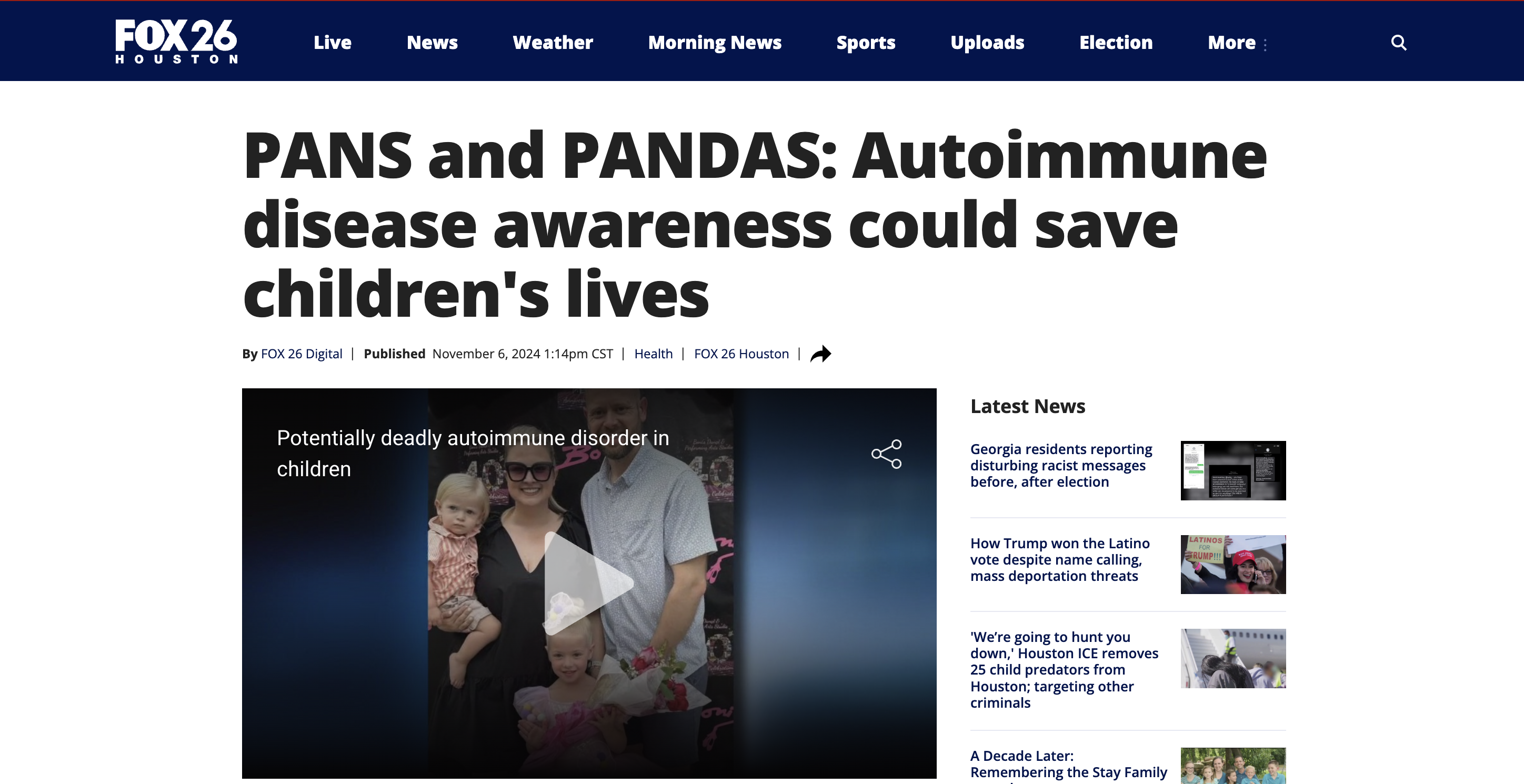
Dr. Kruppstadt Featured on Fox 26 Houston to Raise Awareness for PANS/PANDAS, a Life-Altering Autoimmune Disorder Affecting Children

Houston, TX — Dr. Kruppstadt, a renowned expert in pediatric autoimmune disorders, was recently featured on Fox 26 Houston to discuss PANS/PANDAS, a condition that can suddenly and dramatically alter a child’s behavior, often leaving families searching for answers. During the segment, Dr. Kruppstadt explained the complexity of PANS/PANDAS, an autoimmune disorder in which a child’s immune system malfunctions, attacking healthy cells and causing severe neuropsychiatric symptoms.

“These children’s immune system is not working correctly,” Dr. Kruppstadt shared on Fox 26 Houston. “So, they may not run a fever. Parents, when they see a lot of hyperactivity or abnormal movements, if their children’s pupils are dilated, or if it’s like that is not their child in front of them, they’re full of rage, and they rage on and on, unlike a normal temper tantrum—you need to find a practitioner who will ask the right questions, believe you, and not blame it on your parenting.”

PANS/PANDAS can disrupt a child’s behavior seemingly overnight, leading to symptoms like sudden rage, obsessive-compulsive tendencies, separation anxiety, or hyperactivity. Often, these symptoms are misinterpreted, leading parents down a frustrating road of misdiagnoses and ineffective treatments. Dr. Kruppstadt emphasizes the importance of finding a healthcare provider who understands the signs and complexities of PANS/PANDAS and takes the time to consider the full scope of a child’s symptoms.

The Fox 26 Houston segment highlights Dr. Kruppstadt’s commitment to educating families and supporting children affected by PANS/PANDAS. At Hope for Healing, Dr. Kruppstadt and his team provide comprehensive resources and guidance for families, helping them find the right treatments and gain deeper insights into this often-misunderstood condition.

For more information on PANS/PANDAS and to access valuable health resources, click here. Watch the full news segment on Fox 26 Houston here: PANS/PANDAS Autoimmune Disease Awareness.

Contact:
Hope for Healing
Email: hope@get2theroot.com
Website: get2theroot.com

Can CIRS Be Cured? Understanding the Path to Recovery

Imagine waking up one day feeling like yourself again – no brain fog, no crippling fatigue, no unexplained pain. For those battling Chronic Inflammatory Response Syndrome (CIRS), this dream of normalcy can seem frustratingly out of reach. 

Can CIRS be cured? It’s a simple question, but one that doesn’t have a simple yes or no answer. While a “cure” might not be the right word, there’s a growing body of evidence suggesting that many CIRS sufferers can find significant relief and reclaim their lives. 

Let’s dive into the complex world of CIRS, explore the promising approaches that are changing lives, and discover why the path to recovery might be closer than you think.

What is CIRS and Why is it So Challenging?

CIRS is a complex condition that occurs when your body’s inflammatory response goes into overdrive, often triggered by exposure to biotoxins like mold. This persistent state of inflammation can lead to a variety of symptoms, from fatigue and brain fog to joint pain and digestive issues. The complexity of CIRS makes it a challenging condition to address, leaving many wondering if a cure is possible.

The Quest for a CIRS Cure: What We Know

When asking “Can CIRS be cured?”, it’s crucial to understand that ‘cure’ might not be the most accurate term. Instead, we often talk about managing symptoms, reducing inflammation, and improving quality of life. While we can’t promise a complete elimination of CIRS, many patients have found significant relief and a return to normal life through proper treatment.

Functional Medicine: A Beacon of Hope

Functional medicine offers a promising approach for those seeking to overcome CIRS. This holistic method focuses on identifying and addressing the root causes of illness, rather than just treating symptoms. For CIRS patients, this often means:

  1. Identifying and removing sources of biotoxin exposure
  2. Supporting the body’s natural detoxification processes
  3. Reducing overall inflammation
  4. Addressing any underlying imbalances or deficiencies

Calming the Storm: How Functional Medicine Tackles CIRS

While we can’t definitively say CIRS can be cured, functional medicine can significantly calm the body’s overactive inflammatory response. Here’s how:

Personalized Treatment Plans

Every CIRS patient is unique, and functional medicine recognizes this. Treatment plans are tailored to each individual’s specific symptoms, triggers, and overall health status. This personalized approach increases the chances of successful symptom management.

Addressing Root Causes

Instead of merely suppressing symptoms, functional medicine aims to identify and address the underlying causes of CIRS. This might involve:

  • Comprehensive testing to identify specific biotoxins
  • Evaluating and improving gut health
  • Assessing and balancing hormones
  • Identifying and eliminating food sensitivities

Supporting Detoxification

A key aspect of managing CIRS is supporting your body’s natural detoxification processes. This might include:

  • Nutritional support to boost liver function
  • Therapies to enhance lymphatic drainage
  • Targeted supplements to support cellular detoxification

Reducing Overall Inflammation

Chronic inflammation lies at the core of CIRS, and functional medicine tackles this head-on with a multi-faceted approach. By implementing anti-inflammatory diets, practitioners help patients reduce internal inflammation through carefully selected foods. Stress reduction techniques, such as meditation or yoga, can play a crucial role in calming the body’s inflammatory response. 

Targeted supplementation provides the body with specific nutrients it needs to combat inflammation effectively. Additionally, lifestyle modifications, such as improving sleep patterns or increasing physical activity, contribute to overall inflammation reduction. This comprehensive strategy addresses inflammation from multiple angles, potentially leading to significant improvements for CIRS patients.

Can CIRS Be Cured? Reframing the Question

While we can’t promise a complete cure for CIRS, many patients have experienced significant improvements in their symptoms and quality of life through functional medicine approaches. Rather than wonder, “Can CIRS be cured?,” it might be more helpful to ask, “Can CIRS be effectively managed?” For many, the answer is a resounding yes. 

The Journey to CIRS Recovery: What to Expect

If you’re embarking on the path to recovery from CIRS, it’s important to set realistic expectations. The journey is often gradual and requires patience and commitment. Here’s what you might expect:

  1. Comprehensive evaluation and testing
  2. Identification and removal of biotoxin sources
  3. Implementation of a personalized treatment plan
  4. Gradual reduction of symptoms over time
  5. Ongoing support and adjustments to your plan as needed

Remember, healing from CIRS is a process, not an event. While we can’t promise a complete cure, many patients find that with the right approach, they can significantly improve their symptoms and reclaim their quality of life.

Taking the First Step Towards CIRS Recovery

While we may not be able to definitively answer “Can CIRS be cured?”, we can confidently say that there is hope for recovery and significant symptom improvement. If you’re struggling with CIRS, consider exploring functional medicine approaches.

At Hope for Healing, we specialize in helping patients navigate the complex world of CIRS and chronic inflammatory conditions. Our team of experienced functional medicine practitioners is ready to work with you to develop a personalized plan for managing your symptoms and improving your overall health.

Don’t let CIRS control your life. Take the first step towards recovery by scheduling a free welcome call with us today. Visit our website or call (281) 725-6767 to book your appointment. Together, we can work towards calming your body’s inflammatory response and helping you reclaim your health and vitality.

Your journey to better health starts with a single step. Let Hope for Healing guide you on the path to improved well-being and a life less burdened by CIRS. Schedule your welcome call today and discover how our functional medicine approach can make a difference in your life.

What are CIRS Symptoms? Understanding Chronic Inflammatory Response Syndrome and Its Effects

Chronic Inflammatory Response Syndrome (CIRS) is a complex multisystem illness that results from prolonged exposure to biotoxins, such as mold, bacteria, or environmental toxins. It affects the immune system and can lead to a wide range of debilitating symptoms that impact various parts of the body. Due to the complexity of CIRS and what its symptoms are, it is often misdiagnosed or overlooked, leaving many individuals struggling with unexplained symptoms for years.

What Is CIRS and How Does It Happen?

Chronic Inflammatory Response Syndrome (CIRS) is a condition triggered by exposure to biotoxins—harmful substances produced by living organisms such as mold, bacteria, or algae. These toxins can be found in water-damaged buildings, certain food sources, or even bodies of water affected by harmful algal blooms.

When exposed to biotoxins, the immune systems in most people identify the toxins and remove them from the body. However, in some individuals, a genetic predisposition causes their immune systems to fail to recognize and eliminate the toxins effectively. Instead of clearing out the toxins, their bodies trigger an ongoing inflammatory response, leading to widespread inflammation in multiple systems. This chronic inflammation causes a variety of symptoms, which can vary greatly depending on the individual and the severity of the condition.

CIRS is often caused by prolonged exposure to water-damaged environments (WDBs) where mold and other biotoxins thrive. It can also be triggered by infections such as Lyme disease or other environmental toxins, but indoor molds are one of the most common causes.

The Importance of Early Diagnosis

CIRS is a progressive illness, meaning that without proper diagnosis and treatment, symptoms can worsen over time, leading to severe health complications. Because the symptoms are so varied, CIRS can mimic many other conditions, including chronic fatigue syndrome, fibromyalgia, depression, and autoimmune diseases. As a result, many patients with CIRS go undiagnosed or receive ineffective treatments.

Common Symptoms of CIRS

Since CIRS affects multiple systems in the body, the symptoms can be wide-ranging and can often overlap with other conditions. Below are eight common symptoms of CIRS that can help identify it:

1. Chronic Fatigue

One of the characteristic symptoms of CIRS is persistent unexplained fatigue that does not improve with rest. This fatigue is often debilitating and can severely impact daily functioning. The inflammatory response triggered by biotoxins disrupts the body’s ability to produce and utilize energy efficiently, leading to a constant sense of exhaustion.

2. Cognitive Impairment (Brain Fog)

Individuals with CIRS often report difficulty with concentration, memory, and overall cognitive function—a symptom commonly referred to as “brain fog.” This CIRS symptom is thought to be caused by inflammation in the brain and disruptions in neurological function due to biotoxin exposure. People with CIRS may find it hard to focus, remember things, or complete complex tasks.

3. Muscle and Joint Pain

Inflammatory responses in the body can cause widespread pain in the muscles and joints, leading to discomfort and stiffness. This pain may mimic conditions such as fibromyalgia or rheumatoid arthritis, but in the case of CIRS, it is directly related to the chronic inflammation caused by biotoxin exposure. The pain can be constant or flare up during certain times.

4. Respiratory Issues

Since mold exposure is a common trigger for CIRS, respiratory symptoms are often one of the first signs of the condition. These may include shortness of breath, coughing, sinus congestion, and increased susceptibility to respiratory infections. Inflammation of the respiratory tract due to biotoxins can cause difficulty breathing and contribute to other lung-related issues.

5. Neurological Symptoms (Numbness, Tingling, Vertigo)

CIRS can cause a range of neurological symptoms, including numbness, tingling sensations in the extremities, vertigo (a sensation of spinning), and even tremors. These CIRS symptoms result from the body’s inflammatory response affecting the nerves and brain, leading to dysfunction in the nervous system.

6. Digestive Problems

Biotoxin exposure can affect the digestive system, causing CIRS symptoms such as nausea, diarrhea, bloating, and abdominal pain. Chronic inflammation can impair the gut’s ability to function properly, leading to imbalances in gut bacteria (dysbiosis) and other digestive issues. Many patients with CIRS report ongoing gastrointestinal problems, which can be misdiagnosed as irritable bowel syndrome (IBS).

7. Sensitivity to Light and Sound

People with CIRS often develop heightened sensitivities to stimuli such as light and sound. These sensitivities are linked to the body’s neuroinflammatory response and can make it challenging to tolerate bright environments or loud noises. In some cases, even normal levels of light or sound can feel overwhelming and cause headaches or discomfort.

8. Mood Disorders (Anxiety, Depression)

Due to its impact on brain function and inflammation, CIRS often affects mental health. Many people with CIRS experience symptoms of anxiety, depression, irritability, or mood swings. These mood disturbances can be compounded by the frustration of dealing with chronic symptoms and the lack of clear diagnosis or effective treatment.

Using Functional Medicine to Diagnose and Treat CIRS

Diagnosing and treating CIRS can be complex, as it affects multiple systems in the body and can mimic other illnesses. Hope for Healing in Houston and Shenandoah, TX, uses a functional medicine approach to address CIRS comprehensively. Functional medicine focuses on identifying and treating the root causes of illness rather than just managing symptoms. Here’s how Hope for Healing approaches CIRS:

1. Comprehensive Diagnostics

One of the biggest challenges in treating CIRS and its symptoms is accurately diagnosing the condition. Many patients go years without a diagnosis, as their symptoms can be attributed to other illnesses. At Hope for Healing, we use advanced testing methods to assess for biotoxin exposure, immune system dysfunction, and inflammatory markers. This often includes specialized blood tests, neurotoxin testing, and environmental assessments to determine if the patient’s living or working environment is contributing to their illness.

2. Personalized Treatment Plans

No two cases of CIRS are the same, and treatment needs to be tailored to each individual. Hope for Healing creates personalized treatment plans based on each patient’s specific needs and the severity of their condition. This may include detoxification protocols to remove biotoxins from the body, immune system support, and anti-inflammatory treatments to reduce inflammation.

3. Detoxification Protocols

Removing the biotoxins that trigger the inflammatory response is a critical part of treating CIRS. Hope for Healing uses safe and effective detoxification methods to help patients eliminate toxins from their bodies. This may involve binders (substances that bind to toxins and help remove them), dietary changes, or lifestyle adjustments to minimize further exposure to biotoxins.

4. Environmental Assessment and Mold Remediation

Since mold exposure is one of the leading causes of CIRS, addressing the environment is crucial to treatment. Hope for Healing provides guidance on identifying and removing mold from the home or workplace. In severe cases, we may recommend professional mold remediation services to ensure the patient is no longer exposed to the harmful toxins that triggered their illness.

5. Immune System Support

CIRS often involves a dysregulated immune system, which fails to respond properly to biotoxins. At Hope for Healing, we focus on strengthening and modulating the immune system to help it function more effectively. This may include the use of immune-supporting supplements, stress management techniques, and targeted therapies designed to regulate immune response.

6. Inflammation Reduction

Chronic inflammation is at the heart of CIRS, and reducing this inflammation is essential for symptom relief. Hope for Healing uses a variety of natural and medical interventions to lower inflammation in the body, including anti-inflammatory supplements, dietary changes, and therapies that target specific inflammatory pathways.

7. Gut Health Restoration

The gut plays a critical role in immune function, and CIRS often disrupts gut health. Hope for Healing works to restore gut health through probiotics, dietary changes, and supplements that support the integrity of the gut lining. By addressing gut health, we can help patients reduce gastrointestinal CIRS symptoms and support their overall recovery.

Hope for Healing of CIRS

So, what are CIRS and its symptoms? Chronic Inflammatory Response Syndrome (CIRS) is a debilitating condition that affects multiple systems in the body, leading to a wide range of symptoms. At Hope for Healing, we use a functional medicine approach to diagnose and treat CIRS, offering personalized care that addresses the root causes of the illness and supports long-term recovery.

If you suspect you may be suffering from CIRS or have been exposed to biotoxins, the comprehensive diagnostics, personalized treatment plans, and commitment to functional medicine at Hope for Healing can help you identify and treat CIRS and its symptoms. Schedule a consultation today for the functional medicine approach to health care.

Can Hip Arthritis Cause Knee Pain? The Hidden Connection Revealed

You wake up, swing your legs out of bed, and wince. That familiar ache in your knee is back. But as you stand, you notice something else – your hip is throbbing too. Is it just a coincidence, or could these pains be connected?

The question on many people’s minds is clear: Can hip arthritis cause knee pain? The answer might surprise you and shed light on why your joints seem to be ganging up on you.

Let’s unravel this mystery and explore how the arthritis in your hip could be the hidden culprit behind your aching knees. Understanding this connection could be the key to finding relief and returning to the activities you love.

The Hip-Knee Domino Effect: How Hip Arthritis Influences Knee Health

When we consider whether hip arthritis can cause knee pain, it’s essential to understand how our body’s joints work together. Hip arthritis can lead to knee discomfort through changes in how we move and carry ourselves. Let’s explore this connection more deeply.

Altered Walk and Body Mechanics

Hip arthritis often causes pain and stiffness, significantly changing how you walk. You might not even notice these changes at first, but your body does. As you try to minimize hip discomfort, you may unconsciously adjust your gait. These changes can put extra stress on your knee joints, potentially leading to pain and increased wear and tear. In this way, hip arthritis can indirectly cause knee pain.

Your Body’s Attempt to Compensate

When hip arthritis limits your hip mobility, your body naturally tries to compensate for it. Often, this means relying more on other joints, especially your knees. Over time, these compensatory movements can create muscle imbalances and put undue stress on your knee joints. This is another way hip arthritis can cause knee pain.

Posture Changes and Their Impact

Hip arthritis can significantly change how you stand and move as you try to alleviate hip pain. These postural adjustments often involve shifts in how you distribute your weight and align your body. As a result, your knees might bear more weight or experience stress from unusual angles, potentially causing pain and accelerating joint wear.

Understanding Hip Arthritis and Its Effects

Hip arthritis involves inflammation and deterioration of the hip joint. This condition can cause pain, stiffness, and reduced range of motion in your hip area. As it progresses, it can significantly impact your mobility and quality of life. Many people ask, “Can hip arthritis cause knee pain?” and the answer is often yes, due to how closely these joints work together.

How Hip Pain Changes Your Movement

When you’re dealing with hip pain, you might unknowingly adjust how you move to minimize discomfort. These adjustments can include:

  1. Shifting more weight to your “good” side
  2. Limiting how much you rotate your hip
  3. Taking shorter steps to reduce hip motion

While these changes might temporarily ease your hip pain, they can have unintended consequences for your knees.

The Knee-Hip Partnership

Your knees and hips work in tandem during most lower body movements. When hip function is compromised, your knees often try to pick up the slack to keep you moving. This compensation can show up in several ways:

Increased Knee Stress

As you change how you walk to accommodate hip pain, your knees may experience increased stress. This extra pressure can lead to faster wear and tear on your knee joints, potentially causing or worsening knee pain. This illustrates how hip arthritis can cause knee pain through changes in your body’s mechanics.

Muscle Imbalances and Weakness

Hip arthritis can lead to weakness in your hip muscles. This weakness might cause your knee muscles to work harder to keep your leg stable during movement, potentially leading to overuse injuries and pain in your knee area.

Alignment Issues

Changes in how your hip moves can affect the overall alignment of your leg. This misalignment can put uneven stress on your knee joints, potentially leading to pain and an increased risk of knee problems.

Addressing Hip Arthritis to Help Your Knees

Given how closely your hip and knee health are connected, addressing hip arthritis can often have positive effects on knee pain. Here are some strategies that may help:

Physical Therapy and Exercise

Targeted exercises can help strengthen the muscles around your hip joint, improve flexibility, and promote better overall leg mechanics. This can reduce stress on both your hip and knee joints.

Pain Management Techniques

Effective pain management for hip arthritis can help you maintain a more normal walking pattern, reducing the likelihood of compensatory movements that stress your knees.

Proper Footwear and Orthotics

Supportive shoes and custom orthotics can help improve your overall leg alignment and reduce stress on your hips and knees.

Weight Management

Maintaining a healthy weight can significantly reduce stress on both your hip and knee joints, potentially alleviating pain and slowing joint degeneration.

Take the First Step Towards Better Joint Health

If you’re dealing with ongoing hip or knee pain, or if you’re concerned about how hip arthritis can cause knee pain, it’s time to take action. At Hope for Healing, we understand the complex relationship between different parts of your body and offer a comprehensive, functional medicine approach to address your concerns.

Don’t let joint pain hold you back from living your best life. Schedule a free welcome call with Hope for Healing today. Our team of experienced functional medicine practitioners is ready to partner with you on your journey to optimal wellness. We’ll work together to uncover the root causes of your joint issues and develop a personalized plan that addresses your unique needs.

During your welcome call, you’ll have the opportunity to:

  • Discuss your specific joint health concerns.
  • Learn about our holistic approach to treating hip and knee pain.
  • Explore how lifestyle changes, genetic insights, and medical interventions can work together to improve your joint health.
  • Get answers to your questions about functional medicine and our practice.

Your journey to better health starts with a single step. Let Hope for Healing guide you on the path to improved joint function and overall well-being. Schedule your welcome call today and discover the difference our functional medicine approach can make in your life.

Does Cracking Your Fingers Cause Arthritis?

One of the most persistent myths in health is that cracking your fingers can cause arthritis. Many people have heard warnings from family and friends, urging them to stop the habit to avoid joint problems later in life. But is there any truth to this claim? The simple answer is no—cracking your fingers does not cause arthritis. However, there’s more to the story, especially when it comes to understanding what’s happening inside your joints and how early arthritis might manifest.

Debunking the Myth that Cracking Your Fingers Causes Arthritis

Cracking your fingers is a common habit for many people, and it’s often associated with a sense of relief or comfort. For years, though, the idea that this habit could lead to arthritis—specifically osteoarthritis—has circulated widely. The belief is that the repetitive strain of cracking knuckles might cause arthritis because of consistent wear and tear on the joints.

However, scientific research has debunked this myth. Numerous studies have shown no connection between knuckle-cracking and arthritis development. In one long-term study, a physician named Dr. Donald Unger famously cracked the knuckles on one hand for over 60 years, leaving the other hand alone. At the end of the experiment, there was no difference between the two hands in terms of arthritis development. This and other studies indicate that cracking your fingers does not contribute to joint inflammation, cartilage damage, or the onset of arthritis.

While the habit itself of cracking fingers does not cause arthritis, it’s essential to understand why finger-cracking might feel more frequent or necessary for some people, particularly those experiencing joint inflammation.

What Happens When You Crack Your Fingers?

When you crack your fingers, you’re not breaking bones or causing permanent damage to your joints. Instead, the sound and sensation come from changes in the pressure within your joint. Here’s what happens:

  1. Synovial Fluid Lubrication: Joints are surrounded by a thick fluid called synovial fluid, which acts as a lubricant, reducing friction between the bones and helping them move smoothly. Synovial fluid contains dissolved gasses such as oxygen, nitrogen, and carbon dioxide.
  2. Joint Cavitation: When you stretch or pull your fingers, you create space between the joints, which causes the pressure in the synovial fluid to drop rapidly. As a result, the gasses dissolved in the fluid form bubbles—a process known as cavitation.
  3. The “Crack” Sound: When the pressure in the joint drops and these gas bubbles form, they burst, producing the characteristic “pop” or “crack” sound. This is not a harmful event but simply a release of gas. After cracking, it can take up to 20 minutes for the gasses to dissolve back into the synovial fluid, which is why you often can’t crack the same knuckle repeatedly within a short period.
  4. No Damage to the Joint: Studies show that this process doesn’t cause any harm to the cartilage or the bones. There is no wear and tear involved in the cracking itself. The relief some people feel after cracking their joints is likely due to the stretching and release of tension around the joints, not the gas bubbles themselves.

While the action of cracking your fingers is harmless, there are instances where joint pain or inflammation can make someone more prone to cracking their fingers. This is particularly true for people with early-stage arthritis.

Early-Stage Arthritis and Finger-Cracking

Although cracking your fingers does not cause arthritis, there’s an interesting link between the habit and people who are in the early stages of arthritis. Some individuals may feel compelled to crack their fingers more frequently due to inflammation or discomfort in their joints. Here’s why:

  1. Inflammation and Joint Pressure: Arthritis, particularly osteoarthritis or rheumatoid arthritis, is characterized by inflammation of the joints. In the early stages of arthritis, this inflammation can cause swelling and stiffness in the joints, leading to an uncomfortable sensation of pressure. For some people, cracking their fingers offers a temporary release of this pressure, making it feel like they’ve achieved relief, even if it’s momentary.
  2. Stiffness and Mobility: As arthritis progresses, the joints may become stiffer and moving them can become more challenging. People with arthritis may unconsciously try to loosen up their fingers by cracking them, as the stretching motion can improve mobility for a short time. However, this is a symptom-driven response rather than a cause of arthritis.
  3. Pain Management: In early-stage arthritis, joint pain may be mild but persistent. Some people may find that cracking their fingers offers psychological relief, even if the pain reduction is short-lived. This sensation of temporary relief can reinforce the habit of cracking fingers, particularly in joints affected by inflammation.

Understanding that finger-cracking is not the root cause of arthritis but rather a symptom-driven behavior can help guide individuals toward proper treatment and management of joint inflammation. And this is where functional medicine, as practiced by Hope for Healing, can play a critical role.

Functional Medicine for Early Arthritis

Hope for Healing utilizes a functional medicine approach to arthritis care, which means we focus on identifying and treating the root causes of joint inflammation rather than just managing the symptoms. Functional medicine looks at the whole person, considering the interaction of genetic, environmental, and lifestyle factors that can influence health and contribute to conditions such as arthritis.

Here’s how Hope for Healing can help those experiencing early-stage arthritis:

  1. Comprehensive Diagnosis: One of the keys to effective arthritis management is catching it early. At Hope for Healing, we use a variety of diagnostic tools including blood tests, imaging, and physical examinations to assess joint inflammation and detect early signs of arthritis. Our team looks beyond the immediate symptoms to identify underlying factors such as immune system dysfunction, nutritional imbalances, or environmental triggers that may be contributing to the condition.
  2. Personalized Treatment Plans: Every patient’s arthritis is unique, and at Hope for Healing, we believe that treatment should be personalized to address individual needs. After a thorough evaluation, we create a customized treatment plan that includes both conventional and holistic therapies.
  3. Diet and Lifestyle Modifications: Functional medicine emphasizes the importance of diet and lifestyle in managing chronic conditions such as arthritis. Hope for Healing guides patients through dietary modifications that reduce inflammation and improve overall joint function. This might include incorporating more anti-inflammatory foods, reducing processed sugars, or addressing food sensitivities that could be contributing to the condition.
  4. Supplementation and Natural Remedies: In addition to conventional treatments, Hope for Healing offers natural therapies and supplements that can support joint health and reduce inflammation. These include omega-3 fatty acids, turmeric, and glucosamine—all of which have been shown to help alleviate symptoms of arthritis.
  5. Physical Therapy and Exercise: Keeping the joints mobile is an important part of managing arthritis. The team at Hope for Healing develops personalized exercise plans that improve joint function, increase mobility, and reduce stiffness. Physical therapy, stretches, and low-impact exercises can help maintain joint flexibility and strength, reducing the need for pain medications and improving overall quality of life.
  6. Mind-Body Therapies: Stress and emotional health can play a significant role in how the body manages inflammation. At Hope for Healing, we incorporate mind-body therapies, such as yoga, meditation, and relaxation techniques, to help patients manage stress and reduce the inflammatory response.

Managing Early-Stage Arthritis at Hope for Healing

Cracking your fingers won’t cause arthritis, but if you find yourself frequently cracking your fingers due to discomfort, it could be an early warning sign of joint inflammation or arthritis. While the act of cracking itself is harmless, it’s essential to listen to your body and address any underlying issues that may be contributing to joint discomfort.

Hope for Healing is committed to helping patients manage arthritis using a functional medicine approach. Our personalized treatment plans focus on identifying and treating the root causes of inflammation, allowing patients to maintain joint health and prevent the progression of arthritis.

Cracking your fingers may not cause arthritis, but you can still take the first step toward healthier joints today. Schedule a consultation with Hope for Healing and discover how functional medicine can help you live pain-free and fully mobile!

Can Fibromyalgia Cause Weight Gain? The Surprising Connection Between Fibromyalgia and Weight Changes

Many people with fibromyalgia struggle with unexplained weight changes, leading to the question: Can fibromyalgia cause weight gain? The relationship between fibromyalgia and weight gain is complex and multifaceted. While fibromyalgia itself doesn’t directly cause weight gain, several factors associated with the condition can contribute to weight fluctuations. Let’s explore this connection and understand why managing weight can be challenging for those with fibromyalgia.

Understanding Fibromyalgia and Its Impact on Weight

Fibromyalgia is a chronic condition characterized by widespread pain, fatigue, and other symptoms that can significantly impact a person’s quality of life. While weight gain isn’t a primary symptom of fibromyalgia, many people with the condition report struggling with their weight.

Factors Contributing to Weight Gain in Fibromyalgia

Several aspects of fibromyalgia can indirectly lead to weight gain:

1. Decreased Physical Activity

Chronic pain and fatigue often make it difficult for people with fibromyalgia to maintain regular exercise routines. This reduction in physical activity can lead to weight gain over time.

2. Medications and Their Side Effects

Some medications used to treat fibromyalgia symptoms, such as certain antidepressants and pain relievers, can cause weight gain as a side effect.

3. Sleep Disturbances

Fibromyalgia often disrupts sleep patterns, leading to poor-quality sleep. Lack of restful sleep can affect metabolism and increase cravings for high-calorie foods.

4. Hormonal Imbalances

Fibromyalgia may be associated with hormonal imbalances that can affect metabolism and contribute to weight gain.

5. Stress and Emotional Eating

Living with chronic pain and other fibromyalgia symptoms can be stressful, potentially leading to emotional eating and weight gain.

The Vicious Cycle: Pain, Inactivity, and Weight Gain

Can fibromyalgia cause weight gain directly? While the answer is no, the symptoms of fibromyalgia can make weight management a challenge. Pain leads to reduced activity, which can cause weight gain. Extra weight puts more stress on joints and muscles, potentially increasing pain. Pain leads to reduced activity, which can cause weight gain. Breaking out of this vicious cycle can be difficult.

Strategies for Managing Weight with Fibromyalgia

While weight management can be challenging for those with fibromyalgia, it’s not impossible. Here are some strategies that can help:

1. Gentle Exercise

Low-impact activities like swimming, yoga, or walking can help increase physical activity without exacerbating pain.

2. Balanced Diet

Focus on a nutrient-rich diet with plenty of fruits, vegetables, lean proteins, and whole grains. This can help manage weight and provide energy to combat fatigue.

3. Sleep Hygiene

Improving sleep quality can help regulate metabolism and reduce fatigue. Establish a consistent sleep schedule and create a relaxing bedtime routine.

4. Stress Management

Techniques like meditation, deep breathing exercises, or cognitive-behavioral therapy can help manage stress and reduce the likelihood of emotional eating.

5. Medication Review

If you suspect your medications are contributing to weight gain, discuss alternatives with your healthcare provider.

The Role of Inflammation in Fibromyalgia and Weight Gain

Inflammation plays a significant role in both fibromyalgia and weight gain. Chronic inflammation associated with fibromyalgia can affect metabolism and contribute to weight gain. Conversely, excess weight can increase inflammation in the body, potentially exacerbating fibromyalgia symptoms.

Seeking Professional Help

If you’re struggling with weight gain and fibromyalgia, it’s essential to work with healthcare professionals who understand the complexities of this condition. A multidisciplinary approach involving a rheumatologist, nutritionist, and physical therapist can provide comprehensive support.

The Importance of Self-Compassion

Remember, weight fluctuations are common with fibromyalgia. Be kind to yourself and focus on overall health rather than just the number on the scale. Living with fibromyalgia is challenging enough without adding the pressure of maintaining a specific weight. Celebrate your body’s resilience in coping with chronic pain and fatigue. Instead of focusing solely on weight loss, aim for improvements in your daily functioning, energy levels, and overall well-being. Over time, adopting a healthier lifestyle through small, regular steps can not only alleviate fibromyalgia symptoms but also support effective weight management.

Breaking the Cycle

While fibromyalgia doesn’t directly cause weight gain, the connection between the two is undeniable. Understanding this relationship is crucial for effective management of both fibromyalgia symptoms and weight. By addressing the factors that contribute to weight gain and implementing healthy lifestyle strategies, it’s possible to break the cycle and improve overall well-being.

Do you ever feel overwhelmed trying to manage your fibromyalgia symptoms and weight? You’re not alone. At Hope for Healing, we understand the unique challenges faced by individuals with fibromyalgia. Our team of experts specializes in creating personalized treatment plans that address all aspects of your health, including weight management.

We invite you to schedule a free welcome call with our team. During this call, we’ll discuss your specific concerns, including any struggles with weight gain, and explore how our holistic approach can help you achieve better health and quality of life.

Don’t let fibromyalgia and weight gain control your life. Take the first step towards comprehensive care tailored to your needs. Contact Hope for Healing today to schedule your free welcome call and start your journey towards better health and well-being.

Can Guys Have Fibromyalgia? Breaking the Silence on Men’s Invisible Pain

Fibromyalgia doesn’t discriminate, but society often does. You’ve probably heard about women with fibromyalgia, but what about men? Can guys have fibromyalgia? 

The answer might surprise you. Millions of people worldwide suffer from this debilitating condition, yet a dangerous myth persists that it’s a “women’s disease.” This misconception leaves countless men undiagnosed, untreated, and suffering in silence. Let’s shatter this harmful stereotype and uncover the truth about fibromyalgia in men.

Understanding Fibromyalgia

Fibromyalgia causes widespread pain throughout the body, along with fatigue, sleep issues, memory problems, and mood changes. It’s a chronic condition that seriously impacts the quality of life for both men and women.

Fibromyalgia in Men: Busting the Myth

For a long time, people thought only women got fibromyalgia. This isn’t true. While women are diagnosed more often, guys can have fibromyalgia too. Recent studies show men do get fibromyalgia, just not as frequently as women.

Why don’t we hear about fibromyalgia in men as much? A few reasons:

  1. Outdated Ideas: 
    Doctors used to think fibromyalgia mainly affected women, which is why they might miss it in men.
  2. Different Symptoms: 
    Men might experience or describe their symptoms differently than women.
  1. Social Pressure: 
    Some men might feel uncomfortable talking about chronic pain due to societal expectations.

Why Women Are Diagnosed More Often Than Men

While guys can have fibromyalgia, it is more commonly diagnosed in women. Several factors contribute to this trend. 

  • Hormonal changes, particularly in estrogen levels, might influence how women perceive pain. Some studies hint at a genetic predisposition to fibromyalgia in women. 
  • Men and women also respond differently to stress, potentially affecting how fibromyalgia develops. 
  • Research indicates women typically have a lower pain threshold than men. 
  • The current diagnostic criteria for fibromyalgia may align more closely with symptoms commonly reported by women. 

These factors combined help explain why fibromyalgia diagnoses are more frequent in women, even though the condition affects both genders.

Spotting Fibromyalgia Symptoms in Men

Fibromyalgia symptoms are similar for everyone, but men might describe them differently. Common symptoms for guys with fibromyalgia include:

  • Pain all over
  • Feeling tired all the time
  • Trouble sleeping
  • Brain fog (difficulty thinking clearly)
  • Mood swings, including feeling down or anxious
  • Stomach issues
  • Headaches

Men with fibromyalgia often report:

  • Muscle pain and stiffness
  • Difficulty with everyday activities
  • Sleep problems
  • Fatigue affects their work

Why It’s Tough to Diagnose Fibromyalgia in Men

Diagnosing fibromyalgia in men presents unique challenges. Many men hesitate to discuss their pain openly due to societal expectations, making it harder for doctors to identify the problem. When men do seek help, doctors might mistake fibromyalgia for other conditions like arthritis or chronic fatigue syndrome. 

Adding to the complexity, both patients and healthcare providers often overlook fibromyalgia as a possibility in male patients. This lack of awareness can lead to missed or delayed diagnoses, leaving many men struggling with unrecognized symptoms of fibromyalgia.

Treating Fibromyalgia in Men

Treating men for fibromyalgia is similar to treating women. Effective treatments can include:

  1. Medications: 
    Pain relievers, antidepressants, or anti-seizure drugs might help manage symptoms.
  2. Exercise: 
    Regular physical activity can reduce pain and improve overall health.
  3. Stress Management: 
    Meditation, yoga, or therapy can be helpful.
  4. Better Sleep: 
    Improving sleep quality is crucial for managing fibromyalgia.
  5. Diet Changes: 
    Some people feel better by adjusting what they eat and avoiding certain foods.

Living with Fibromyalgia as a Man

Men diagnosed with fibromyalgia often face unique challenges in coping with the condition. Connecting with support groups or others who share similar experiences can provide valuable emotional support and practical advice. Educating oneself about fibromyalgia and disseminating that knowledge contributes to both effectively managing the condition and heightening public awareness. Open communication with healthcare providers ensures more accurate treatment and better symptom management. 

Maintaining overall health through proper nutrition, regular exercise, and effective stress management techniques plays a crucial role in managing fibromyalgia symptoms. By implementing these strategies, men with fibromyalgia can improve their quality of life and better navigate the challenges of living with this chronic condition.

Breaking Stereotypes and Finding Hope

So, can guys have fibromyalgia? Absolutely. While women get diagnosed more often, fibromyalgia doesn’t discriminate. Men can and do develop fibromyalgia. Increased awareness helps ensure everyone gets the right diagnosis and treatment. By talking openly about fibromyalgia in men, we create a better understanding of chronic pain conditions for everyone. This helps all people with fibromyalgia get the care and support they need.

Do you ever feel overwhelmed by fibromyalgia symptoms, regardless of your gender? It’s time to take action. Hope for Healing offers a unique, personalized approach to managing fibromyalgia through functional medicine. Schedule a free welcome call with our expert team who understand fibromyalgia’s complexities and can guide you towards wellness.

During your call, you’ll discuss your symptoms, learn about our holistic approach, and discover how we tailor treatment plans to your specific needs. We look at lifestyle, genetics, and advanced medical interventions to address the root causes of your fibromyalgia.

Don’t let outdated ideas about whether guys can have fibromyalgia stop you from getting help. Take control of your health today by scheduling your free welcome call with Hope for Healing. No matter you

Regardless of gender, we stand side by side to enhance your well-being and elevate the quality of your life. Your journey to less pain and more energy starts now – reach out to Hope for Healing and begin your path to recovery.

Autism or Mold Toxicity?
Getting to the Root Cause