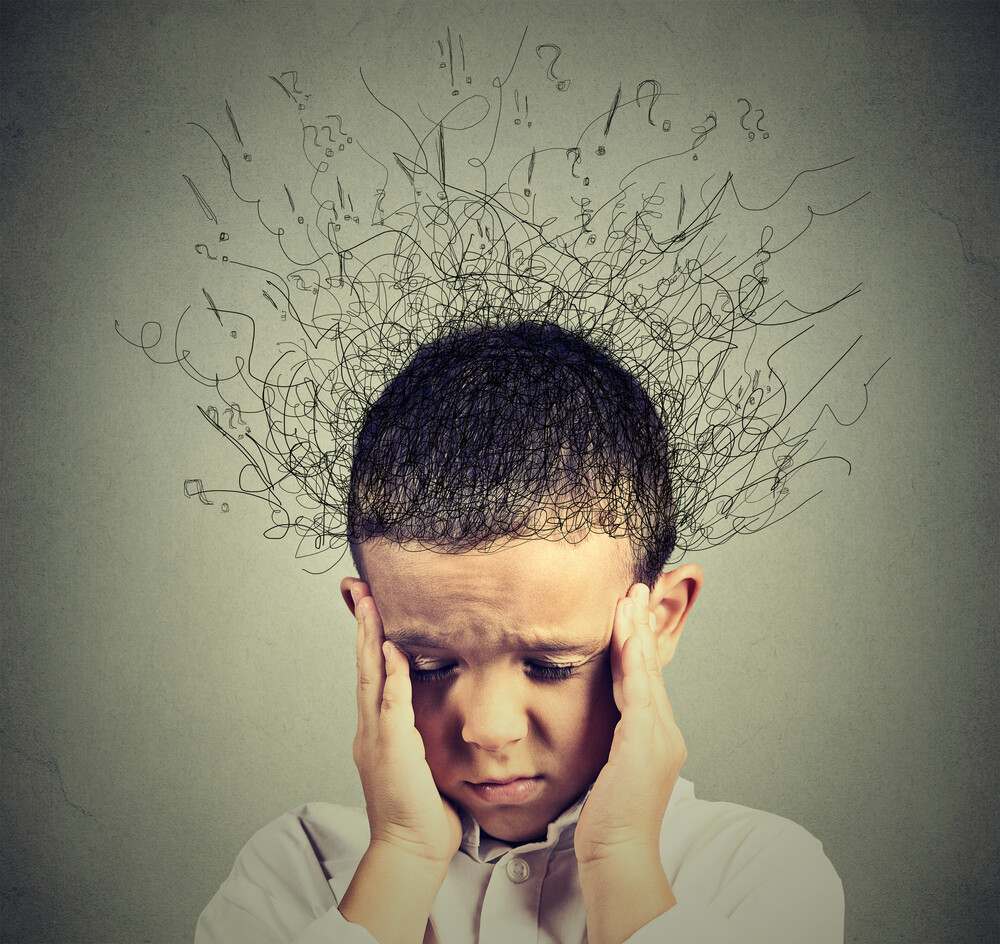
Crying is one of the earliest ways a baby communicates with the world. It alerts caregivers to needs, discomforts, and feelings before a child can use words. For most parents, interpreting a baby’s cry becomes second nature over time—whether it’s a signal of hunger, fatigue, or a wet diaper. But when crying seems excessive, inconsistent, or strangely absent, many parents begin to wonder: Is this normal? Could this be a sign of something more?
One question that often arises for concerned parents is “Do autistic babies cry a lot?” The answer is more complex than a simple yes or no. Some autistic babies may cry more than others, while some may cry very little. What matters most is the reason behind the crying—or lack thereof—and how it fits into the broader picture of your baby’s development.
Understanding the patterns of crying a lot in autistic babies involves looking closely at developmental milestones, sensory sensitivities, neurological differences, and overall behavior. While every child is unique, paying attention to how your baby communicates can offer important clues—and may even point toward early signs of autism.
Common Reasons Why Babies Cry a Lot
First, it’s important to remember that crying is normal. All babies cry, not just autistic babies. In fact, healthy newborns may cry for two to three hours a day in the early weeks of life. It’s one of the only tools babies have to express their needs.
Some of the most common reasons for crying include the following:
Hunger
This is the most frequent reason infants cry, especially in the first few months. Hunger-related cries tend to be rhythmic and intense, and they often stop once the baby is fed.
Wet or Dirty Diaper
Many babies become uncomfortable quickly when their diapers are soiled. This discomfort can lead to fussy crying until it’s changed.
Tiredness
Babies often cry when they’re overtired but unable to fall asleep. This type of cry can sound whiny or cranky and may be accompanied by eye-rubbing or yawning.
Gas or Colic
Digestive discomfort can lead to prolonged periods of crying. Colic is typically defined as crying that lasts more than three hours a day, more than three days a week, for three weeks or longer.
Temperature Sensitivity
Babies may cry when they’re too hot or too cold. Overbundling or underdressing can contribute to discomfort.
Need for Comfort or Attention
Babies also cry when they simply want to be held. Physical closeness offers warmth, security, and bonding.
Overstimulation or Understimulation
Some babies cry when there’s too much noise, light, or activity. Others may become upset if they’re bored or under-stimulated.
These are all typical causes of crying in infancy. But in some cases, especially when the crying is intense, unusual, or paired with other behaviors, it may indicate something more complex—such as sensory dysregulation or developmental differences related to autism.
What Is Autism?
Autism spectrum disorder (ASD) is a neurodevelopmental condition that affects how individuals perceive the world, process sensory information, and interact with others. It is characterized by the following:
- Difficulties with social interaction and communication
- Repetitive behaviors or restricted interests
- Sensory processing challenges
- Developmental delays in some areas
Scientifically, autism is linked to differences in brain development and connectivity. Research shows that children with autism may have altered neural responses to sensory input, differences in gut health, altered immune system function, and imbalances in neurotransmitters such as dopamine and serotonin.
Autism exists on a spectrum, meaning symptoms and severity can vary widely. Some children may have high support needs, while others are more mildly affected but still require guidance and interventions.
While autism is typically diagnosed around ages two to four, signs can begin to show in infancy—even as early as six to twelve months. Hence the question of whether autistic babies cry a lot.
Crying in Autistic Babies: More, Less, or Just Different?
When it comes to autism, crying can take many forms. Some autistic babies may cry more than others, for reasons that aren’t immediately clear. Others may cry less, or in a way that seems detached from the situation. Both extremes can be potential signs of autism or related neurodevelopmental conditions.
Increased Crying Due to Sensory Sensitivities
One of the core characteristics of autism is sensory processing differences. Babies with autism may have heightened sensitivities to sound, light, touch, or even smell. Something as seemingly minor as a clothing tag, the hum of an appliance, or a change in lighting can feel overwhelming.
This sensory overload can lead to excessive crying that seems out of proportion to the situation. You might notice that your baby becomes inconsolable in busy environments, cries when touched unexpectedly, or has trouble calming down after a mild disruption.
Gastrointestinal Discomfort and Crying
Many children with autism experience gastrointestinal (GI) issues such as reflux, constipation, or food sensitivities. These problems can cause significant discomfort and result in crying, arching of the back, or sleep difficulties. Since babies can’t explain what they’re feeling, crying is often their only outlet for this pain.
If your baby seems to cry frequently after feeding, has frequent gas or bowel issues, or spits up excessively, these could be additional red flags when seen alongside other developmental concerns.
Unusual or Infrequent Crying
Interestingly, not crying enough—or not responding appropriately to stimuli—can also be a concern. Some autistic babies may appear unusually quiet, passive, or disconnected. They may not cry when hurt, hungry, or in distress, which can be a sign of altered emotional processing.
This absence of crying can sometimes go unnoticed, especially in busy households, but it’s a significant developmental indicator. If your baby seems detached, doesn’t respond to your voice, or doesn’t seek comfort through crying, it may be time to look deeper. Because no, not all autistic babies cry a lot.
Other Crying-Related Patterns to Watch For
- Crying that doesn’t follow a recognizable pattern (e.g., not linked to hunger, sleep, or dirty diapers)
- Crying that occurs during routine care such as diaper changes or baths
- Difficulty being soothed by typical methods (rocking, holding, feeding)
- Minimal crying during moments when discomfort is expected
Other Early Signs of Autism to Consider
Crying behavior is just one piece of a much larger developmental puzzle. If you’re concerned about how much—or how little—your baby is crying, it’s important to look at the whole picture.
Some other early signs of autism in babies, whether crying a lot or not, include the following:
- Lack of eye contact or limited facial expressions
- Not smiling in response to others
- Limited response to name by 9–12 months
- Delayed babbling or language development
- Repetitive movements such as hand flapping or rocking
- Intense interest in certain objects or motions
- Strong resistance to changes in routine
- Delayed motor milestones (sitting, crawling, walking)
These signs don’t confirm autism on their own, but when they cluster together—especially alongside irregular crying patterns—they may indicate a need for further evaluation.
How Hope for Healing Can Support Your Journey
Understanding your baby’s behavior—especially in the early years—can be overwhelming. Is your baby autistic if they cry a lot? Maybe, maybe not. That’s why it’s so important to work with a team that looks at the whole child: body, brain, and behavior.
Hope for Healing is a functional medicine clinic in Houston and The Woodlands that specializes in autism and related conditions. Our practice uses decades of pediatric experience to inform our deep commitment to helping families uncover the root causes of developmental challenges.
Hope for Healing offers the following:
- Comprehensive functional assessments
- Personalized nutrition and supplement plans
- Targeted therapies based on root-cause findings
- Ongoing support for parents and families
If you’re concerned about your baby’s development—or you simply want a clearer understanding of what’s going on—schedule a welcome call today.