Vector-Borne Diseases: Why the Term Matters

Vector-borne diseases affect hundreds of millions of people worldwide each year and are responsible for a wide range of acute and chronic health conditions. Despite their prevalence, the term “vector-borne disease” is often misunderstood or oversimplified. Many people recognize individual illnesses such as Lyme disease or malaria but may not realize they fall under a broader category defined by how the disease is transmitted rather than by symptoms alone.

This article provides a comprehensive guide to vector-borne diseases: what the term means, why it matters, how these illnesses impact the body, and a detailed list of the most common vector-borne diseases. It also explores why a functional medicine approach, such as the care offered at Hope for Healing, can be valuable for individuals dealing with these complex conditions.

What Does “Vector-Borne Disease” Mean?

A vector-borne disease is an illness caused by pathogens such as bacteria, viruses, or parasites that are transmitted to humans through a living carrier known as a vector.

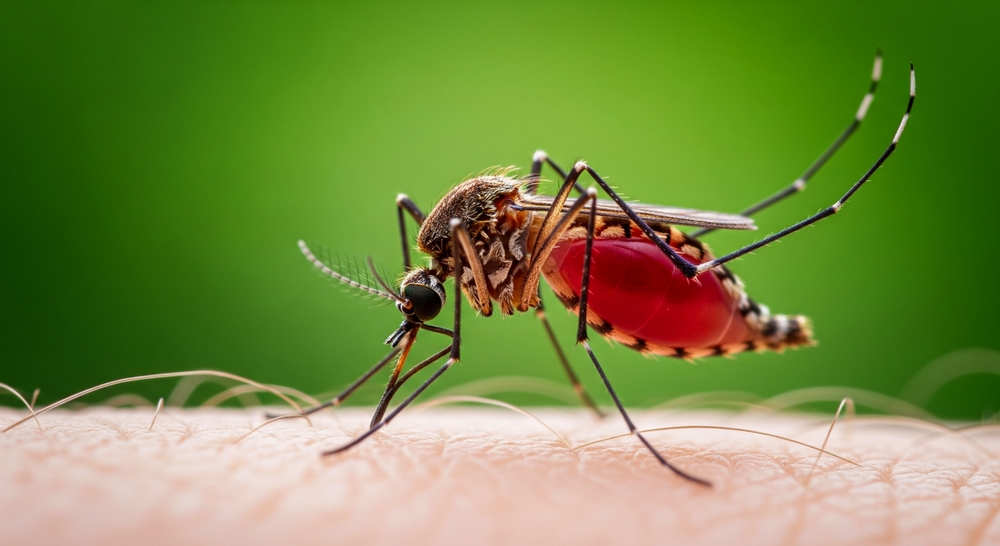
A vector is typically an insect or arthropod that carries the infectious organism from one host to another.

Common Vectors

  • Ticks
  • Mosquitoes
  • Fleas
  • Lice
  • Sand flies
  • Triatomine bugs (kissing bugs)

Unlike diseases spread directly from person to person, vector-borne diseases require this intermediary organism to transmit the infection.

Why the Term “Vector-Borne” Is Used

The term “vector-borne” emphasizes the mode of transmission, not just the pathogen involved. This distinction matters because…

  • Prevention strategies focus on vector control
  • Diagnosis may require exposure history, not just symptoms
  • Multiple infections can be transmitted by the same vector
  • Symptoms may overlap across different diseases

For example, a single tick bite may transmit multiple pathogens at once, leading to layered or persistent symptoms that don’t fit neatly into one diagnosis.

How Vector-Borne Diseases Affect the Body

Once a pathogen enters the body through a vector bite, it may…

  • Trigger an immune response
  • Cause systemic inflammation
  • Affect the nervous system
  • Impact joints, muscles, or organs
  • Persist in the body if not fully cleared

Some vector-borne diseases cause acute illnesses that resolve with treatment, while others can become chronic or relapsing, especially if diagnosis is delayed.

Major Categories of Vector-Borne Diseases

Vector-borne diseases are generally classified based on the type of organism causing the illness:

  • Bacterial
  • Viral
  • Parasitic

Each category includes multiple diseases with varying severity and long-term effects.

Common Vector-Borne Diseases

Below is a broad overview of many known vector-borne diseases, along with brief explanations of each.

Tick-Borne Diseases

Ticks are among the most common vectors and can transmit multiple infections in a single bite.

  • Lyme Disease – Caused by Borrelia burgdorferi; often associated with joint pain, fatigue, and neurological symptoms
  • Babesiosis – A parasitic infection affecting red blood cells, similar to malaria
  • Anaplasmosis – Bacterial infection causing fever, muscle aches, and immune suppression
  • Ehrlichiosis – Causes flu-like symptoms and can affect white blood cells
  • Rocky Mountain Spotted Fever – A serious bacterial illness that may cause rash, fever, and organ damage
  • Tularemia – Rare bacterial infection affecting skin, lungs, or lymph nodes
  • Tick-Borne Relapsing Fever – Characterized by recurring fevers

Mosquito-Borne Diseases

Mosquitoes transmit some of the most widespread vector-borne illnesses globally.

  • Malaria – Parasitic disease affecting red blood cells, causing cyclical fevers
  • Dengue Fever – Viral illness causing high fever, joint pain, and fatigue
  • Zika Virus – Viral infection that may affect neurological development
  • West Nile Virus – Can cause neurological symptoms in severe cases
  • Chikungunya – Causes fever and long-lasting joint pain
  • Yellow Fever – Viral illness affecting the liver and immune system
  • Japanese Encephalitis – Viral infection affecting the brain

Flea-Borne Diseases

  • Plague – Caused by Yersinia pestis, historically significant and still present in some regions
  • Murine Typhus – Bacterial infection causing fever and rash

Louse-Borne Diseases

  • Epidemic Typhus – Severe bacterial illness associated with poor sanitation
  • Trench Fever – Causes recurring fevers and bone pain

Sandfly-Borne Diseases

  • Leishmaniasis – Parasitic disease affecting skin or internal organs

Other Vector-Borne Diseases

  • Chagas Disease – Caused by Trypanosoma cruzi, transmitted by triatomine bugs
  • African Trypanosomiasis (Sleeping Sickness) – A parasitic disease affecting the nervous system

Why Vector-Borne Diseases Are Often Missed or Misdiagnosed

Vector-borne illnesses are notoriously difficult to diagnose because…

  • Symptoms overlap with many other conditions
  • Testing may be limited or time-sensitive
  • Co-infections are common
  • Symptoms may appear weeks or months after exposure

Patients may experience fatigue, pain, neurological symptoms, or digestive issues without a clear explanation, especially if initial infections were not fully addressed.

Chronic and Complex Presentations

While some vector-borne diseases resolve quickly, others can lead to…

  • Persistent inflammation
  • Immune dysregulation
  • Neurological symptoms
  • Hormonal imbalance
  • Reduced stress tolerance

These chronic patterns are especially important to recognize when symptoms linger despite basic treatment.

Prevention and Awareness

While not all vector-borne diseases are preventable, awareness plays a key role. Preventive strategies may include the following:

  • Protective clothing in high-risk areas
  • Tick and mosquito control measures
  • Prompt removal of ticks
  • Awareness of early symptoms

Early recognition and appropriate care can reduce the risk of long-term complications.

Functional Medicine and Vector-Borne Disease Care

Functional medicine looks beyond isolated symptoms to understand how infections affect the body as a whole. This approach can be particularly valuable for vector-borne diseases due to their complexity.

Functional medicine may focus on the following areas:

  • Immune system balance
  • Inflammatory pathways
  • Nervous system health
  • Gut and detoxification support
  • Environmental and lifestyle contributors
  • Exposure history

Understanding where and how exposure occurred can be just as important as laboratory testing. Functional medicine practitioners often explore the following factors:

  • Travel history
  • Outdoor activity exposure
  • Geographic risk factors
  • Symptom progression over time

This context can help clarify patterns that standard approaches may overlook.

Rather than viewing vector-borne diseases as single events, however, functional medicine considers their long-term impact on the body.

Hope for Healing and Vector-Borne Disease Care

Hope for Healing offers functional medicine care for individuals navigating the complexity of vector-borne diseases. Our approach emphasizes whole-body evaluation, personalized care plans, and factors that influence long-term recovery.

Functional medicine care at Hope for Healing may help patients…

  • Understand lingering or complex symptoms
  • Address inflammation and immune stress
  • Support recovery beyond acute infection
  • Improve overall resilience and health

To learn more about conditions treated and functional medicine support for vector-borne illnesses, visit: https://get2theroot.com/conditions

Biotoxin Illness Symptoms: Signs, Causes, and Whole-Body Impact

“Biotoxin illness” is a term often used to describe a collection of symptoms that arise when the body is exposed to naturally occurring toxins produced by living organisms. While biotoxin illness itself is not always a single diagnostic label, the symptoms it causes are very real, and for many people, they can be persistent, disruptive, and difficult to explain.

Individuals experiencing biotoxin-related illness often report feeling “off” for long periods of time and cycle through unexplained symptoms that affect multiple systems in the body. Understanding what biotoxins are, how they impact the body, and what symptoms they may cause are important steps toward effective care.

This guide explores the most common biotoxin illness symptoms, the types of biotoxins that can trigger them, and how a functional medicine approach can help address the root causes rather than simply managing symptoms.

What Are Biotoxins?

Biotoxins are toxic substances produced by living organisms. Unlike chemical toxins that are man-made, biotoxins are naturally occurring and are released by organisms such as fungi, bacteria, algae, insects, and parasites.

Biotoxins are designed by nature to protect the organism producing them. But when humans are exposed, these toxins can interfere with their biological processes.

Common Sources of Biotoxins

  • Mold and mycotoxins
  • Cyanobacteria (blue-green algae)
  • Tick- and insect-borne organisms
  • Certain bacteria and parasites
  • Marine toxins (from harmful algal blooms)

Not everyone exposed to biotoxins becomes ill, but some individuals have a genetic or immune-related susceptibility that makes it harder for their bodies to effectively clear these toxins.

How Biotoxins Affect the Body

Biotoxins primarily impact the body by activating the immune system and triggering inflammation. In some individuals, this inflammatory response does not shut off properly, leading to ongoing symptoms.

Important ways biotoxins affect the body include the following:

  • Disrupting immune regulation
  • Increasing inflammatory signaling
  • Affecting neurological function
  • Interfering with hormone balance
  • Stressing detoxification pathways

When the body cannot efficiently recognize, process, and eliminate biotoxins, symptoms of illness may become chronic rather than resolving after exposure ends.

Why Biotoxin Illness Symptoms Can Vary

One of the defining features of biotoxin-related illness is that symptoms often involve multiple systems at once. This can make diagnosis challenging and may lead people to feel dismissed or misunderstood.

Biotoxins do not target just one organ. Instead, they can affect the following areas:

  • The brain and nervous system
  • The immune system
  • The digestive system
  • Hormonal signaling
  • Muscles and joints

As a result, biotoxin illness symptoms may appear unrelated on the surface, even though they share a common underlying cause.

Common Biotoxin Illness Symptoms

While symptoms vary from person to person, there are recognizable patterns that commonly appear in biotoxin illness.

Neurological and Cognitive Symptoms

  • Brain fog
  • Difficulty concentrating
  • Memory issues
  • Headaches or migraines
  • Dizziness or lightheadedness
  • Sensitivity to light or sound

Many people describe feeling mentally slowed or disconnected, especially after time spent in environments associated with exposure.

Fatigue and Energy Issues

  • Persistent fatigue not relieved by rest
  • Exercise intolerance
  • Feeling drained after minimal activity
  • Sleep disturbances

This type of fatigue is often disproportionate to exertion and may worsen with ongoing exposure or stress.

Mood and Emotional Changes

  • Anxiety
  • Depression
  • Irritability
  • Mood swings
  • Increased emotional sensitivity

Inflammation in the brain and nervous system can significantly affect emotional regulation, even in individuals with no prior mental health history.

Respiratory and Sinus Symptoms

  • Chronic sinus congestion
  • Post-nasal drip
  • Cough or throat irritation
  • Shortness of breath
  • Worsening asthma-like symptoms

These symptoms of biotoxin illness are especially common in mold-related biotoxin exposure.

Digestive Symptoms

  • Bloating
  • Abdominal pain
  • Diarrhea or constipation
  • Food sensitivities
  • Nausea

Biotoxins can disrupt the gut lining and microbiome, contributing to ongoing digestive distress.

Musculoskeletal Pain

  • Joint pain or stiffness
  • Muscle aches
  • Migratory pain (pain that moves around the body)

This pain is often inflammatory in nature and may not respond well to conventional pain relievers.

Skin and Sensory Symptoms

  • Rashes or unexplained skin irritation
  • Itching or tingling sensations
  • Temperature sensitivity
  • Increased sensitivity to chemicals or odors

The skin and sensory system can act as early warning signals of systemic inflammation.

Different Types of Biotoxin Exposure

Understanding the source of exposure is critical when addressing biotoxin illness and its symptoms.

Mold and Mycotoxins

One of the most common causes of biotoxin illness is exposure to indoor mold and the mycotoxins it produces. This may occur in…

  • Water-damaged buildings
  • Homes with poor ventilation
  • Workplaces or schools with hidden moisture issues

Even after leaving the environment, symptoms may persist if toxins remain stored in the body.

Water-Damaged Environments

Biotoxins may be present in buildings that show no visible mold but have ongoing moisture problems. Chronic exposure in these environments can lead to long-term inflammatory symptoms.

Tick- and Insect-Borne Biotoxins

Some vector-borne organisms produce toxins or trigger inflammatory responses that resemble biotoxin illness. Infections such as Lyme disease and co-infections may overlap with biotoxin-related symptoms.

Algal and Marine Toxins

Exposure to toxins from harmful algal blooms can occur through contaminated water or seafood and may cause neurological and gastrointestinal symptoms.

Unaddressed Biotoxin Illness

Without proper identification and care, biotoxin illness may contribute to the following symptoms:

  • Chronic inflammatory response patterns
  • Ongoing immune dysregulation
  • Hormonal imbalances
  • Increased chemical sensitivities
  • Reduced quality of life

In some cases, individuals may be diagnosed with multiple conditions without recognizing the shared underlying trigger.

How Functional Medicine Approaches Biotoxin Illness

Functional medicine focuses on identifying and addressing root causes rather than suppressing symptoms. This approach is especially valuable for biotoxin illness, where standard testing may not capture the full picture.

Functional medicine care may include the following:

  • Detailed exposure history
  • Assessment of immune and inflammatory markers
  • Evaluation of detoxification pathways
  • Support for gut and nervous system health
  • Personalized care plans based on individual response

Rather than a one-size-fits-all approach, treatment is tailored to how each person’s body is reacting to biotoxin exposure.

Hope for Healing: Functional Medicine for Biotoxin Illness

Not everyone exposed to biotoxins develops illness, and not everyone experiences the same symptoms. Genetics, immune function, and environmental factors all influence how the body responds.

Personalized care helps identify hidden contributors, avoid unnecessary treatments, support long-term recovery, and improve resilience to future exposures.

Hope for Healing provides functional medicine care for individuals dealing with complex, chronic symptoms linked to biotoxin exposure. Our approach emphasizes understanding how biotoxins affect the body as a system, not just with symptoms.

By addressing inflammation, immune balance, detoxification capacity, and environmental factors, Hope for Healing supports patients in moving toward lasting improvement rather than short-term symptom control.If you suspect biotoxins may be contributing to your symptoms, seek a functional medicine evaluation today: https://get2theroot.com/conditions.

A Complete Guide to Vector-Borne Diseases: Types, Prevention, and What to Do If You’re Infected

Vector-borne diseases affect millions of people worldwide every year, yet many individuals don’t fully understand how these illnesses are transmitted, why symptoms can be so complex, or what steps to take if they suspect an infection. From mosquito-borne illnesses such as malaria to tick-borne conditions such as Lyme disease, vector-borne diseases can impact multiple systems in the body and, in some cases, lead to long-term health challenges.

This guide is designed to help you learn about what vector-borne diseases are, explore the most common types, discover practical prevention strategies, and know what to do if you contract one of these illnesses. We’ll also discuss how functional medicine can play an important role in supporting recovery and long-term health.

What Is a Vector-Borne Disease?

A vector-borne disease is an illness caused by pathogens such as bacteria, viruses, or parasites that are transmitted to humans through a living carrier called a vector. The vector is typically an insect or arthropod that carries the pathogen from one host to another.

Common Vectors

  • Mosquitoes
  • Ticks
  • Fleas
  • Sand flies
  • Triatomine bugs (kissing bugs)

The vector itself is usually not affected by the pathogen but serves as a delivery mechanism, transferring the infectious agent into the human bloodstream through a bite.

How Vector-Borne Diseases Affect the Body

Once a pathogen enters the body via a vector bite, it can…

  • Trigger an immune response
  • Spread through the bloodstream or lymphatic system
  • Invade specific tissues or organs
  • Disrupt immune regulation and inflammation pathways

Some vector-borne diseases cause acute symptoms that are resolved with treatment, while others can lead to chronic or relapsing illness if not addressed thoroughly. In certain cases, the immune system may struggle to fully clear the infection, resulting in ongoing inflammation and multisystem symptoms.

Common Types of Vector-Borne Diseases

Vector-borne diseases vary widely depending on the vector, pathogen, and geographic region. Below is a guide to some of the most common categories:

Mosquito-Borne Diseases

Mosquitoes are among the most well-known vectors and are responsible for transmitting several serious illnesses.

Common Mosquito-Borne Diseases:

  • Malaria
  • Dengue fever
  • Zika virus
  • West Nile virus
  • Chikungunya
  • Yellow fever

Typical Symptoms:

  • Fever and chills
  • Headache and body aches
  • Fatigue
  • Nausea or vomiting
  • Rash (in some cases)

Mosquito-borne illnesses often develop rapidly after infection, though some may have delayed or mild initial symptoms.

Tick-Borne Diseases

Ticks are responsible for transmitting a wide range of bacterial and parasitic infections, particularly in North America and Europe.

Common Tick-Borne Diseases:

  • Lyme disease
  • Babesiosis
  • Anaplasmosis
  • Ehrlichiosis
  • Rocky Mountain spotted fever

Possible Symptoms:

  • Flu-like symptoms
  • Joint and muscle pain
  • Neurological symptoms
  • Fatigue
  • Cognitive difficulties
  • Skin rashes (such as the classic bullseye rash in Lyme disease, though not everyone develops it)

Tick-borne diseases are especially known for causing persistent or chronic symptoms when not treated early or adequately.

Flea-Borne Diseases

Fleas transmit fewer diseases than mosquitoes or ticks but can still pose serious health risks.

Examples:

  • Plague
  • Murine typhus

Symptoms may include fever, headache, weakness, and swollen lymph nodes.

Other Vector-Borne Illnesses

Some less common but clinically significant vector-borne diseases to learn about include the following:

  • Chagas disease (spread by kissing bugs)
  • Leishmaniasis (spread by sand flies)
  • African sleeping sickness (spread by tsetse flies)

These illnesses may cause severe or progressive symptoms if untreated.

Why Vector-Borne Diseases Can Be Difficult to Diagnose

One of the challenges with vector-borne illnesses is that their symptoms often overlap with other conditions. Fatigue, joint pain, headaches, and brain fog are nonspecific and may be misattributed to stress, aging, or autoimmune conditions.

Additional diagnostic challenges include the following:

  • Delayed onset of symptoms
  • Incomplete or inaccurate testing
  • Co-infections from a single vector bite
  • Individual immune response variability

As a result, some people may go months or years without an accurate diagnosis.

How to Reduce Your Risk of Vector-Borne Diseases

While not all vector-borne diseases can be prevented through learning, taking precautions can significantly lower your risk.

General Prevention Strategies

  • Use insect repellents when outdoors
  • Wear long sleeves and pants in high-risk areas
  • Perform tick checks after outdoor activities
  • Shower soon after being outdoors
  • Remove ticks promptly and correctly

Environmental Precautions

  • Avoid areas with heavy insect activity when possible
  • Use window screens and bed nets in mosquito-prone regions
  • Eliminate standing water near your home

Travel Considerations

  • Research region-specific vector risks
  • Follow vaccination or prophylactic recommendations
  • Take extra precautions in tropical or subtropical climates

What to Do If You Think You’ve Contracted a Vector-Borne Disease

If you learn you may have contracted a vector-borne disease, early action is important.

Steps to Take

  • Seek medical evaluation promptly
  • Document symptoms and possible exposure
  • Request appropriate testing
  • Avoid dismissing persistent or worsening symptoms

Even if initial tests are inconclusive, continued symptoms should not be ignored.

Why Some People Don’t Fully Recover

In some cases, individuals continue to experience symptoms long after the initial infection appears to have resolved. This may be due to…

  • Ongoing immune activation
  • Incomplete pathogen clearance
  • Co-infections
  • Inflammatory or autoimmune responses
  • Nervous system dysregulation

This is where a more comprehensive approach to care may be needed.

Functional Medicine and Vector-Borne Disease Care

Functional medicine focuses on understanding how illness affects the body as a whole rather than treating isolated symptoms. This approach can be particularly valuable for vector-borne diseases that impact multiple systems.

Functional medicine practitioners take time to evaluate the following markers:

  • Immune system function
  • Inflammatory markers
  • Detoxification capacity
  • Gut and nervous system health
  • Environmental and lifestyle factors

Functional medicine can support recovery by…

  • Identifying underlying contributors to persistent symptoms
  • Supporting immune balance rather than immune suppression
  • Addressing inflammation and oxidative stress
  • Supporting detoxification pathways
  • Improving resilience and long-term health

Rather than a one-size-fits-all approach, care is individualized based on each patient’s unique presentation.

When to Consider Functional Medicine Care

You may benefit from a functional medicine approach if…

  • Symptoms persist despite conventional treatment
  • You suspect co-infections or environmental contributors
  • Fatigue, pain, or cognitive symptoms linger
  • You want a whole-body approach to healing

Functional medicine does not replace urgent or emergency care but can complement conventional treatment, especially in complex or chronic cases.

Hope for Healing: Comprehensive Care for Vector-Borne Illness

Hope for Healing offers functional medicine care designed to address the root causes of illness rather than just managing symptoms. Our approach is particularly well-suited for individuals learning about the long-term effects of vector-borne diseases via their lived experience.

By focusing on immune regulation, inflammation, detoxification, and whole-body balance, Hope for Healing helps patients move toward sustainable recovery and improved quality of life.If you’re seeking deeper support after a vector-borne illness or wanting guidance navigating persistent symptoms, functional medicine may provide the clarity and care you need. Learn more about vector-borne diseases and functional medicine services at Hope for Healing, and explore whether this approach is right for you: https://get2theroot.com/conditions.

Can a Random Rash Be Caused by Biotoxins?

Skin rashes are often dismissed as minor, surface-level problems. People assume a rash must be caused by a new soap, detergent, or food allergy. But can a random rash be caused by biotoxins instead?

For some individuals, biotoxin exposure can contribute to systemic inflammation that shows up through the skin. Because the skin is one of the body’s primary detox and immune-response organs, it often reflects internal stress before other systems do.

What Is a Rash, Scientifically Speaking?

From a medical standpoint, a rash is any noticeable change in the color, texture, or appearance of the skin. Rashes are not diagnoses themselves. They are merely signs of underlying processes occurring in the body. These processes may be localized to the skin or systemic in nature.

Physiology of a Rash

A rash typically involves one or more of the following mechanisms:

  • Inflammation of skin tissue
  • Immune activation, including histamine release
  • Vascular changes, such as dilation or increased permeability of blood vessels
  • Disruption of the skin barrier, leading to dryness, irritation, or sensitivity

The skin is full of immune cells, nerve endings, and blood vessels. When the immune system perceives a threat—whether from allergens, infections, toxins, or internal inflammation—it often communicates that response through the skin.

What Are Biotoxins?

Biotoxins are toxic substances produced by living organisms. Unlike chemical toxins that come from industrial sources, biotoxins occur naturally but can still have significant effects on human health.

Common Sources of Biotoxins

Biotoxins may come from any of the following sources:

  • Mold and mold spores (especially in water-damaged buildings)
  • Certain bacteria
  • Algae (such as cyanobacteria)
  • Parasites
  • Some insects or animals

One of the most common and clinically significant sources of biotoxin exposure is indoor mold. Mold produces mycotoxins: small fat-soluble toxins that can be inhaled, ingested, or absorbed through the skin.

Why Biotoxins Are Problematic

In many people, the immune system recognizes biotoxins and clears them efficiently. However, some individuals have genetic variations that make it difficult to detoxify and eliminate these substances. Instead of clearing them, the body enters a state of chronic immune activation, leading to persistent inflammation.

This inflammatory state is often associated with chronic inflammatory response syndrome (CIRS), a condition linked to biotoxin exposure that can affect multiple systems, including the skin.

How Biotoxins Cause a Random Rash

A random biotoxin-related rash does not occur via the toxin directly irritating the skin in the way poison ivy does. Instead, it is usually the result of systemic immune dysregulation and inflammation through these key mechanisms:

1. Immune System Overactivation

Biotoxins can trigger continuous immune signaling. This may lead to…

  • Elevated inflammatory cytokines
  • Mast cell activation
  • Histamine release

These immune reactions can cause redness, itching, hives, or patchy rashes that appear without an obvious external trigger.

2. Mast Cell and Histamine Response

Biotoxin exposure is often associated with mast cell instability. Mast cells release histamine and other inflammatory mediators, which can lead to…

  • Flushing
  • Itching
  • Hives
  • Burning or stinging sensations

These rashes may come and go unpredictably and may worsen with heat, stress, or exercise.

3. Impaired Detoxification

When detoxification pathways are overwhelmed…

  • The skin may act as a secondary route of elimination
  • Inflammatory byproducts may circulate longer in the bloodstream
  • The immune system may remain in a heightened state

This can contribute to rashes that do not respond well to topical treatments alone.

4. Nervous System Involvement

Biotoxins can affect the nervous system, altering how the skin perceives sensation. This may result in…

  • Tingling
  • Burning
  • Hypersensitivity
  • Painful or itchy rashes without visible cause

What Does a Biotoxin-Related Rash Look and Feel Like?

Random rashes caused by biotoxins can vary significantly from person to person, which is one reason they are often misdiagnosed.

Common Characteristics

  • Appears suddenly without a clear trigger
  • May move or change location over time
  • Often is persistent or recurrent
  • May worsen in certain environments (e.g., indoors, damp buildings)
  • Can be itchy, burning, or prickly rather than painful

Possible Visual Features

  • Red patches or blotches
  • Hives or raised welts
  • Small bumps or rough texture
  • Flushing of the face, chest, or limbs
  • Areas of dryness or scaling

Importantly, random rashes caused by biotoxins often fail to resolve completely with steroid creams or antihistamines alone. These treatments may temporarily reduce symptoms but do not address the underlying inflammatory driver.

How Biotoxin Rashes Compare with Other Rashes

Understanding how random rashes caused by biotoxins differ from other types can help guide appropriate care.

Allergic Contact Dermatitis

  • Triggered by direct skin contact
  • Usually localized to the area of exposure
  • Resolves when the allergen is removed

Eczema (Atopic Dermatitis)

  • Often begins in childhood
  • Associated with skin barrier dysfunction
  • Typically improves with moisturization and avoidance strategies

Psoriasis

  • Autoimmune-driven
  • Thick, scaly plaques
  • Often symmetrical and chronic

Infectious Rashes

  • Caused by bacteria, viruses, or fungi
  • Often accompanied by fever or systemic symptoms
  • Respond to antimicrobial treatment

Biotoxin-Related Rashes

  • Often systemic rather than localized
  • Triggered by internal inflammation
  • May fluctuate based on environment
  • Frequently accompanied by other symptoms such as fatigue, brain fog, headaches, or joint pain

When a biotoxin-related rash appears “random,” keeps returning, or exists alongside unexplained systemic symptoms, it may warrant deeper investigation.

Why Treating the Root Cause Matters

Topical creams can soothe the skin, but they rarely resolve random rashes caused by biotoxins. That’s because the rash is a signal, not the problem itself.

If biotoxins remain in the body, inflammation continues, the immune signaling stays dysregulated, and skin symptoms are likely to return. Addressing only the rash without addressing biotoxin exposure is like silencing a fire alarm while leaving the fire burning.

Functional Medicine & Biotoxins

Functional medicine focuses on identifying and addressing the root causes of illness rather than suppressing symptoms alone. This approach is especially valuable for complex, multi-system issues such as biotoxin illness.

At Hope for Healing, functional medicine practitioners take a comprehensive, personalized approach to random rashes caused by biotoxins, which may include the following strategies:

1. Identifying Biotoxin Exposure

This may involve…

  • Detailed environmental history
  • Specialized laboratory testing
  • Assessment for mold or water-damaged building exposure

2. Reducing Ongoing Exposure

Healing cannot occur if exposure continues. Functional medicine often includes guidance on…

  • Environmental remediation
  • Avoidance strategies
  • Creating a safer living or working space

3. Supporting Detoxification Pathways

Rather than aggressive detoxes, functional medicine uses the following methods:

  • Gentle, evidence-based protocols
  • Nutritional support for liver and bile pathways
  • Binding agents when appropriate

4. Calming the Immune Response

This may include…

  • Anti-inflammatory nutrition
  • Mast cell stabilization strategies
  • Targeted supplements to support immune balance

5. Restoring Skin and Gut Health

The gut and skin are closely connected through the immune system. Functional medicine often focuses on…

  • Gut barrier repair
  • Microbiome balance
  • Nutrient repletion for skin integrity

As inflammation resolves internally, skin symptoms often improve as a downstream effect.

Hope for Healing: Addressing Biotoxin Illness at the Root

Hope for Healing specializes in functional medicine approaches that look beyond surface symptoms. Our team understands how biotoxins can affect multiple systems in the body and offers personalized care designed to support true healing.

If you are experiencing unexplained rashes or suspect biotoxin exposure may be contributing to your symptoms, functional medicine evaluation may provide the clarity you’ve been missing.Learn more about random rashes caused by biotoxins and how to care for them at: https://get2theroot.com/conditions

Is Malaria a Vector-Borne Disease?

Malaria is one of the most well-known infectious diseases on the planet, yet many people still wonder exactly what it is, how it affects the body, and how it spreads. A question that comes up often is this: Is malaria a vector-borne disease? The short answer is yes. Malaria is a classic example of a vector-borne disease, meaning it is transmitted by a living organism (a vector) rather than by direct person-to-person contact.

In this article, we’ll explore what malaria is, how it functions in the body, what a vector-borne disease is, how malaria is transmitted, and why it’s so dangerous. We’ll also touch on how a functional medicine approach can support overall health and recovery for those infected with malaria and other complex diseases.

What Is Malaria? An Overview

Malaria is a parasitic infection caused by Plasmodium species, microscopic organisms that live inside red blood cells and cause cyclical destruction of those cells. There are several species of Plasmodium that infect humans, but the most common and dangerous are these:

  • Plasmodium falciparum: the most severe and potentially fatal
  • Plasmodium vivax: widespread, can relapse
  • Plasmodium ovale: similar to vivax, can lie dormant
  • Plasmodium malariae: less common, chronic infections
  • Plasmodium knowlesi: a zoonotic type transmitted from animals, primarily in Southeast Asia

Once inside the human body, these parasites invade red blood cells and multiply, leading to cycles of fever, chills, anemia, and potentially severe complications affecting multiple organ systems.

How Malaria Functions in the Body

After a person is bitten by an infected mosquito (which does make malaria a vector-borne disease), malaria parasites enter the bloodstream and travel to the liver. There, they mature and multiply before re-entering the bloodstream to invade red blood cells.

Stages of Infection

  1. Liver Stage (Pre-Erythrocytic Stage)
    • After infection, the parasites first travel to the liver.
    • They multiply quietly within liver cells.
    • This stage can last from a week to several weeks depending on the species.
  2. Blood Stage (Erythrocytic Stage)
    • Parasites emerge from the liver and invade red blood cells.
    • Inside red blood cells, they continue to multiply and eventually burst the cells open.
    • This release of parasites into the bloodstream triggers immune responses and symptoms.
  3. Symptom Production
    • The destruction of red blood cells leads to the following symptoms:
      • Fever and chills
      • Malaise (general feeling of illness)
      • Headaches
      • Muscle aches
      • Fatigue and weakness
      • Nausea
      • Anemia (due to red cell destruction)
    • In severe cases, complications may include the following:
      • Cerebral malaria (affecting the brain)
      • Respiratory distress
      • Kidney failure
      • Severe anemia
      • Shock and death

The cyclical nature of parasite replication and red blood cell rupture often produces characteristic recurring fevers—sometimes termed “malaria paroxysms”—which historically helped doctors diagnose the disease long before modern testing.

What Is a Vector-Borne Disease?

A vector-borne disease is an infection transmitted to humans (or other animals) by a living organism that carries and spreads the pathogen. Common vectors include the following:

  • Mosquitoes for malaria, dengue, Zika, and West Nile virus
  • Ticks for Lyme disease and Rocky Mountain spotted fever
  • Fleas for plague
  • Sand flies for leishmaniasis

In this context…

  • The pathogen is the disease-causing microorganism (e.g., Plasmodium).
  • The vector is the organism that carries and delivers the pathogen to humans.
  • Transmission usually happens when the vector feeds on the blood of a host.

Vectors are distinct from other transmission routes (e.g., direct person-to-person contact, contaminated food or water) because they involve a biological intermediary.

Is Malaria a Vector-Borne Disease?

Malaria is indeed a vector-borne disease because…

  • The causative agent (Plasmodium) cannot spread directly from human to human without a vector.
  • It must be transmitted through the bite of an infected female Anopheles mosquito.
  • Without the mosquito as a vector, malaria cannot complete its life cycle or infect new hosts.

How Transmission Works: Step by Step

  1. Mosquito Bites an Infected Human
    • A female Anopheles mosquito bites an infected person.
    • It ingests Plasmodium gametocytes along with the blood.
  2. Parasites Mature in the Mosquito
    • These gametocytes develop into sporozoites within the mosquito.
    • This process occurs over 10–21 days depending on temperature and species.
  3. Infected Mosquito Bites Another Human
    • When this mosquito bites another person, sporozoites enter the bloodstream and travel to the liver.
  4. Human Liver Infection Begins
    • Parasites mature in the liver, then re-enter the bloodstream to infect red blood cells, triggering illness.

Controlling mosquito populations and preventing bites are therefore essential to malaria prevention.

Why Seeking Care for Malaria Is Critical

Malaria as a vector-borne disease is not a minor illness. Even with modern treatments, it has the power to kill, particularly in regions with limited access to health care. Prompt diagnosis and treatment can mean the difference between full recovery and life-threatening complications.

Dangerous Complications

  • Severe anemia from massive red blood cell destruction
  • Organ damage, especially liver, kidneys, lungs, and brain
  • Neurological effects, especially in cerebral malaria
  • Shock and multi-organ failure
  • Death, particularly in children and immunocompromised adults

Why Care Must Be Timely

  • Early treatment reduces parasite burden before severe complications develop.
  • Delay in treatment allows both parasite replication and immune system exhaustion.
  • Some species of malaria, especially P. falciparum, can progress rapidly and kill within 24–48 hours in severe cases.

Even after recovery, relapses can occur with certain species (P. vivax and P. ovale) from dormant liver forms called hypnozoites. This requires specialized treatment to prevent recurrence.

Functional Medicine and Malaria Care

When most people think of treatment for the vector-borne disease known as malaria, they think of antimalarial drugs. Conventional antimalarial medications are foundational for care of acute infection. Additionally, functional medicine can play a supportive role in recovery and resilience through the following strategies:

1. Immune System Support

Malaria challenges the immune system intensely. Functional medicine may use…

  • Nutrient support for immune resilience (e.g., vitamin D, zinc, vitamin C)
  • Gut health optimization to support immune signaling
  • Anti-inflammatory nutrition to reduce systemic stress

Supporting the immune system’s overall balance may help patients recover more quickly and reduce the risk of secondary infections.

2. Inflammation Modulation

The parasite’s invasion and immune response trigger inflammation, which contributes to symptoms and fatigue. Functional strategies may include the following:

  • Anti-inflammatory dietary patterns
  • Phytonutrients (plant-based compounds with evidence of reducing inflammation)
  • Stress-reduction practices (e.g., mindfulness, breathing exercises)

3. Nutritional Restoration

Malaria often depletes essential nutrients and increases metabolic demand. Functional care can include the following strategies:

  • Identifying and correcting deficiencies
  • Supporting healthy energy metabolism
  • Using personalized nutrition plans to stabilize blood sugar and strengthen resilience

Proper nutrition supports red blood cell production and overall recovery.

4. Detoxification Support

Clearing the biological remnants of infection and supporting liver pathways can be beneficial in recovery. Functional medicine practitioners may assess the following areas:

  • Liver enzyme balance
  • Oxidative stress markers
  • Detoxification pathway function

Tailored protocols can support these systems safely alongside conventional care.

5. Long-Term Wellness and Prevention

Even after successful malaria treatment, individuals may carry residual fatigue, inflammatory symptoms, or nutritional imbalance. Functional care emphasizes sustainability through…

  • Sleep optimization
  • Stress management
  • Activity guidance
  • Individualized wellness planning

This approach helps patients rebuild energy and reduce the risk of recurrent illness or long-term complications.

Malaria Care: Hope for Healing

Malaria is a vector-borne disease transmitted by the bites of infected Anopheles mosquitoes. Once inside the human body, malaria parasites target the liver and red blood cells, leading to serious and potentially life-threatening symptoms.

Prompt clinical care with antimalarial medications, supportive therapies, and monitoring is essential. A functional medicine perspective can provide personalized support by optimizing immune function, reducing inflammation, supporting nutrition and metabolic balance, and helping patients recover fully.If you or someone you care about has experienced malaria or wants to learn about supportive care strategies, consider exploring holistic and integrative approaches at Hope for Healing. For resources on conditions that impact immune function, inflammation, and overall resilience, or to schedule a welcome call, visit our website today: https://get2theroot.com/conditions.

Autism or Mold Toxicity?
Getting to the Root Cause