Fibromyalgia doesn’t discriminate, but society often does. You’ve probably heard about women with fibromyalgia, but what about men? Can guys have fibromyalgia?
The answer might surprise you. Millions of people worldwide suffer from this debilitating condition, yet a dangerous myth persists that it’s a “women’s disease.” This misconception leaves countless men undiagnosed, untreated, and suffering in silence. Let’s shatter this harmful stereotype and uncover the truth about fibromyalgia in men.
Understanding Fibromyalgia
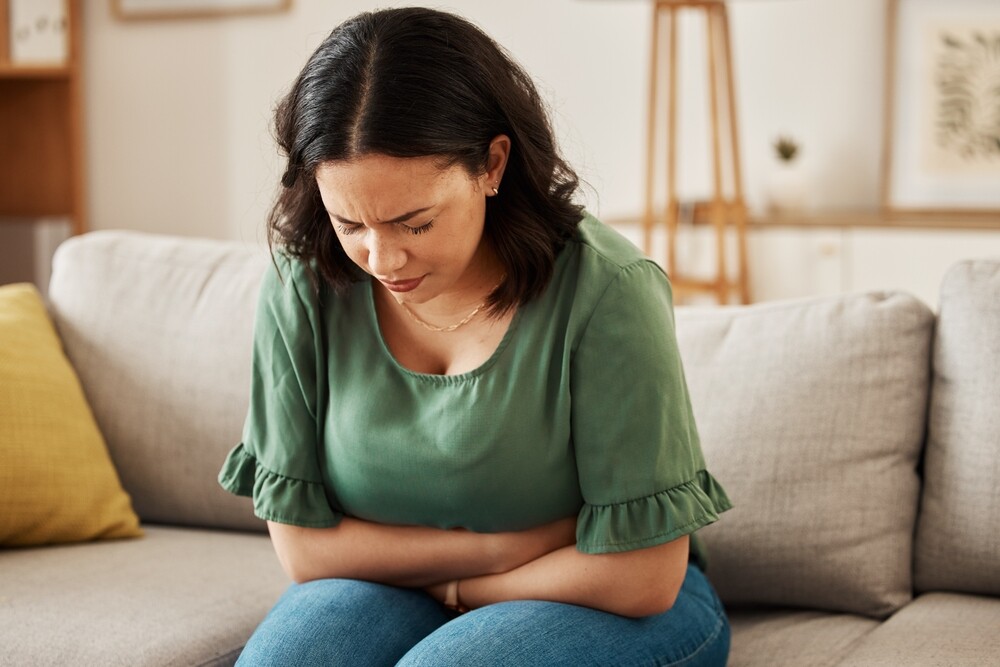
Fibromyalgia causes widespread pain throughout the body, along with fatigue, sleep issues, memory problems, and mood changes. It’s a chronic condition that seriously impacts the quality of life for both men and women.
Fibromyalgia in Men: Busting the Myth
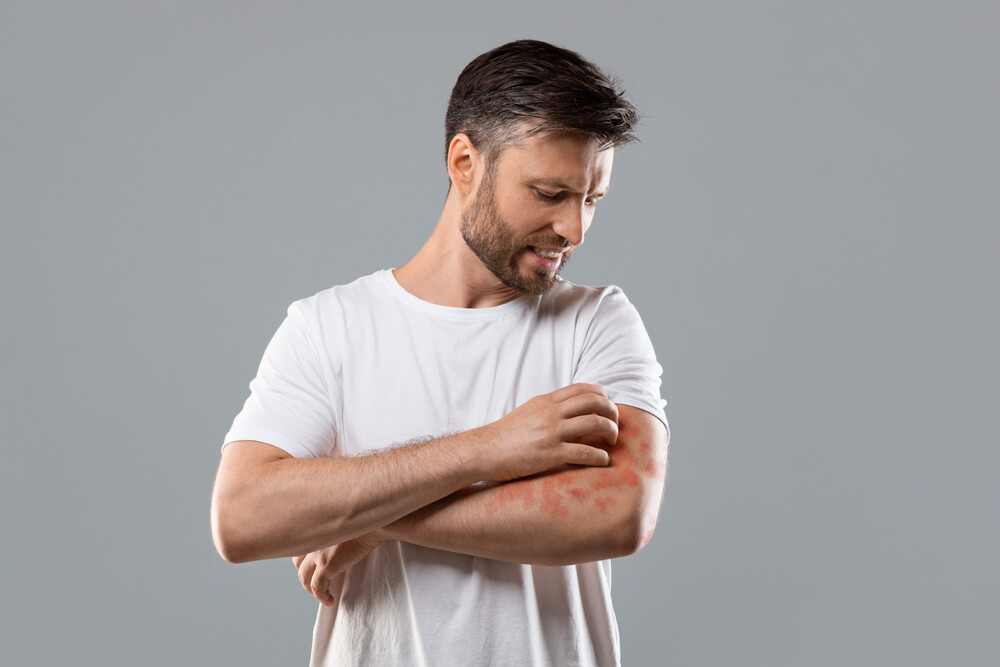
For a long time, people thought only women got fibromyalgia. This isn’t true. While women are diagnosed more often, guys can have fibromyalgia too. Recent studies show men do get fibromyalgia, just not as frequently as women.
Why don’t we hear about fibromyalgia in men as much? A few reasons:
- Outdated Ideas:
Doctors used to think fibromyalgia mainly affected women, which is why they might miss it in men. - Different Symptoms:
Men might experience or describe their symptoms differently than women.
- Social Pressure:
Some men might feel uncomfortable talking about chronic pain due to societal expectations.
Why Women Are Diagnosed More Often Than Men
While guys can have fibromyalgia, it is more commonly diagnosed in women. Several factors contribute to this trend.
- Hormonal changes, particularly in estrogen levels, might influence how women perceive pain. Some studies hint at a genetic predisposition to fibromyalgia in women.
- Men and women also respond differently to stress, potentially affecting how fibromyalgia develops.
- Research indicates women typically have a lower pain threshold than men.
- The current diagnostic criteria for fibromyalgia may align more closely with symptoms commonly reported by women.
These factors combined help explain why fibromyalgia diagnoses are more frequent in women, even though the condition affects both genders.
Spotting Fibromyalgia Symptoms in Men
Fibromyalgia symptoms are similar for everyone, but men might describe them differently. Common symptoms for guys with fibromyalgia include:
- Pain all over
- Feeling tired all the time
- Trouble sleeping
- Brain fog (difficulty thinking clearly)
- Mood swings, including feeling down or anxious
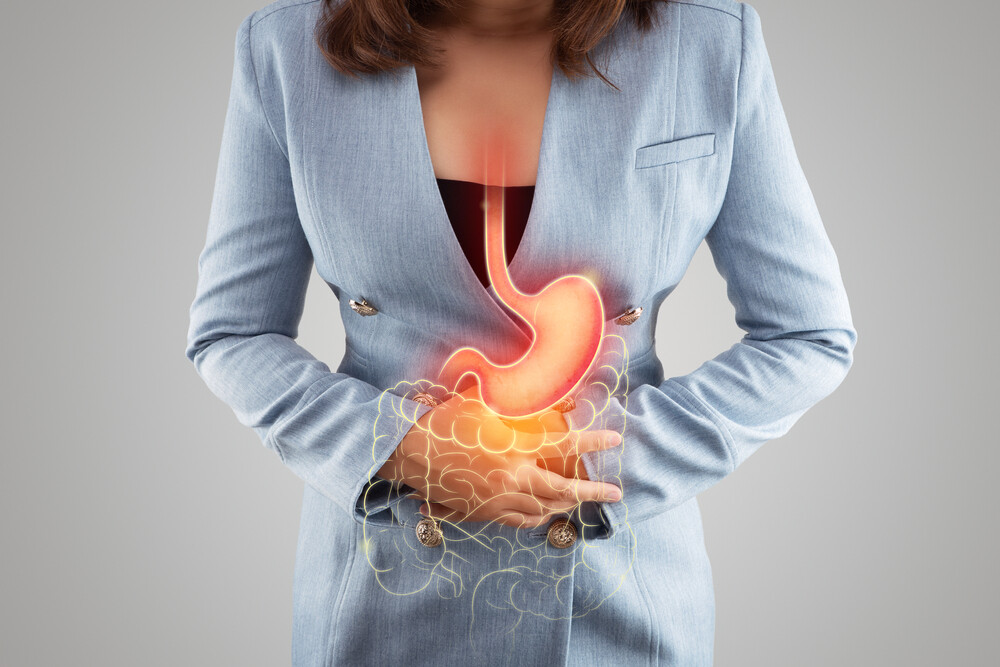
- Stomach issues
- Headaches
Men with fibromyalgia often report:
- Muscle pain and stiffness
- Difficulty with everyday activities
- Sleep problems
- Fatigue affects their work
Why It’s Tough to Diagnose Fibromyalgia in Men
Diagnosing fibromyalgia in men presents unique challenges. Many men hesitate to discuss their pain openly due to societal expectations, making it harder for doctors to identify the problem. When men do seek help, doctors might mistake fibromyalgia for other conditions like arthritis or chronic fatigue syndrome.
Adding to the complexity, both patients and healthcare providers often overlook fibromyalgia as a possibility in male patients. This lack of awareness can lead to missed or delayed diagnoses, leaving many men struggling with unrecognized symptoms of fibromyalgia.
Treating Fibromyalgia in Men
Treating men for fibromyalgia is similar to treating women. Effective treatments can include:
- Medications:
Pain relievers, antidepressants, or anti-seizure drugs might help manage symptoms. - Exercise:
Regular physical activity can reduce pain and improve overall health. - Stress Management:
Meditation, yoga, or therapy can be helpful. - Better Sleep:
Improving sleep quality is crucial for managing fibromyalgia. - Diet Changes:
Some people feel better by adjusting what they eat and avoiding certain foods.
Living with Fibromyalgia as a Man
Men diagnosed with fibromyalgia often face unique challenges in coping with the condition. Connecting with support groups or others who share similar experiences can provide valuable emotional support and practical advice. Educating oneself about fibromyalgia and disseminating that knowledge contributes to both effectively managing the condition and heightening public awareness. Open communication with healthcare providers ensures more accurate treatment and better symptom management.
Maintaining overall health through proper nutrition, regular exercise, and effective stress management techniques plays a crucial role in managing fibromyalgia symptoms. By implementing these strategies, men with fibromyalgia can improve their quality of life and better navigate the challenges of living with this chronic condition.
Breaking Stereotypes and Finding Hope
So, can guys have fibromyalgia? Absolutely. While women get diagnosed more often, fibromyalgia doesn’t discriminate. Men can and do develop fibromyalgia. Increased awareness helps ensure everyone gets the right diagnosis and treatment. By talking openly about fibromyalgia in men, we create a better understanding of chronic pain conditions for everyone. This helps all people with fibromyalgia get the care and support they need.
Do you ever feel overwhelmed by fibromyalgia symptoms, regardless of your gender? It’s time to take action. Hope for Healing offers a unique, personalized approach to managing fibromyalgia through functional medicine. Schedule a free welcome call with our expert team who understand fibromyalgia’s complexities and can guide you towards wellness.
During your call, you’ll discuss your symptoms, learn about our holistic approach, and discover how we tailor treatment plans to your specific needs. We look at lifestyle, genetics, and advanced medical interventions to address the root causes of your fibromyalgia.
Don’t let outdated ideas about whether guys can have fibromyalgia stop you from getting help. Take control of your health today by scheduling your free welcome call with Hope for Healing. No matter you
Regardless of gender, we stand side by side to enhance your well-being and elevate the quality of your life. Your journey to less pain and more energy starts now – reach out to Hope for Healing and begin your path to recovery.