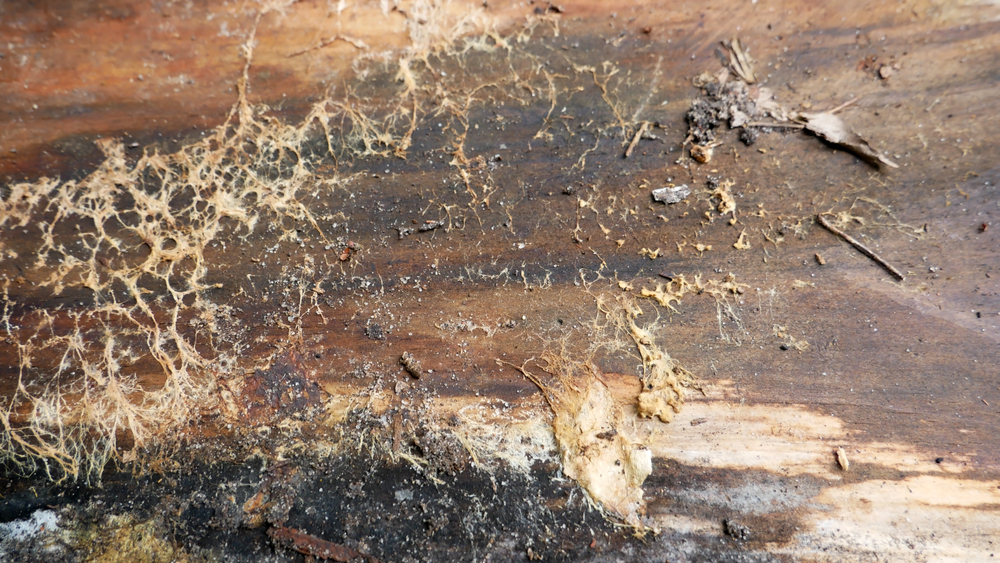
Mold spores drift in the air and enter our homes through various means. All they need is a little moisture to start growing. The Houston area’s warm, humid climate provides the perfect environment for mold growth.
Black mold can grow on many different types of surfaces in your home. It does particularly well on wooden surfaces. While most types of mold are harmless, black mold releases toxins into the air that can make you sick.
In this article, Hope for Healing will help you recognize what black mold looks like on wood and discuss the health issues associated with black mold. We’ll also show you some of the steps you can take to protect you and your family from the effects of black mold.
The Dangers of Black Mold
Exposure to black mold can cause a wide range of health issues, from mild allergic reactions to severe respiratory problems. Infants, young children, senior adults, and persons with respiratory disorders are especially vulnerable to the effects of black mold. Some common symptoms of black mold exposure include:
- Sneezing and runny nose
- Coughing and wheezing
- Eye irritation
- Skin rashes
- Headaches
- Fatigue
- Difficulty breathing
- Nausea and vomiting
If you experience any of these symptoms and suspect black mold is to blame, don’t wait. Long-term exposure can lead to serious health conditions like asthma, chronic fatigue syndrome, and even neurological problems.
Identifying Black Mold on Wood
So, what does black mold look like on wood? It can be tricky to spot, often masquerading as other types of mold or stains. But there are a few telltale signs to watch for:
- Color:
True to its name, black mold is typically dark in color, ranging from black to greenish-black. It may also have a slightly shiny appearance.
- Texture:
When hunting for black mold on wood, take note of its texture. It often has a slimy or fuzzy feel, depending on the surface it’s growing on and the amount of moisture present. It may also have a raised or bumpy surface.
- Pattern:
Another clue to what black mold looks like on wood is its growth pattern. It tends to grow in circular formations or clusters, fanning out from a central point. It may also grow in streaks or patches.
- Location:
Black mold thrives in damp places, such as bathrooms, kitchens, and basements. It has a particular affinity for wood surfaces exposed to water damage or high humidity.
If you notice any of these signs when checking for black mold on wood in your home, don’t hesitate to have the area tested by a professional. They can take samples and provide a definitive answer.
Signs of Black Mold Behind Drywall
Knowing what black mold looks like on wood is crucial, but keep in mind it can also grow behind drywall, making it tougher to detect. Some red flags that black mold may be present behind your walls include:
- Musty odors:
If you notice a persistent musty smell in a room, even after cleaning, it could signal hidden mold growth. The odor may be particularly strong near the affected wall.
- Water stains:
Yellowish or brown water stains on your walls or ceiling can point to moisture intrusion, which creates ideal conditions for mold growth. These stains may be accompanied by bubbling or peeling paint.
- Peeling wallpaper:
If your wallpaper is peeling or bubbling, moisture trapped behind the wall may be to blame, providing a perfect breeding ground for mold. The wallpaper may also feel damp or spongy to the touch.
- Health symptoms:
If you have mold-related health symptoms that seem to worsen when you’re in a specific room, it could be a warning sign of hidden mold growth. Pay attention to any patterns in your symptoms and when they occur.
If you suspect black mold is growing behind your drywall, don’t take chances. Bring in a professional to inspect the area and recommend a cleanup plan. They may use specialized equipment, such as moisture meters and infrared cameras, to detect hidden mold growth.
Treating Black Mold on Wood
Once you know what black mold looks like on wood, it’s important to take immediate steps to remove it from your home::
- Fix moisture issues:
Address any leaks or moisture problems that may be contributing to mold growth. This may involve repairing leaky pipes, improving ventilation, or using a dehumidifier to bring down humidity levels.
- Clean the affected area:
Use a mixture of water and detergent to clean the moldy surface, then dry it thoroughly. For tougher stains, you may need to use a stronger cleaning solution, such as bleach or vinegar.
- Sand and refinish:
If the mold has penetrated deep into the wood, you may need to sand the affected area to remove the damaged material. Once the area is clean and dry, you can refinish the wood to restore its appearance.
- Apply a mold-resistant coating:
Once the surface is clean and dry, apply a mold-resistant paint or sealant to help prevent future growth. Look for products specifically designed to inhibit mold growth on wood surfaces.
In severe cases, you may need to completely remove the affected wood to fully eradicate the mold. This is particularly true if the wood has been severely damaged or if the mold has spread to other areas of your home.
Protecting Your Health from Black Mold
If you’re experiencing symptoms you think may be related to black mold exposure, don’t wait to seek help from a qualified healthcare professional. At Hope for Healing, we specialize in identifying and treating the underlying causes of health issues, including those related to mold exposure.
Our team of experts will develop a personalized treatment plan tailored to alleviate your symptoms and improve your overall health. We use a holistic approach that addresses not only the physical aspects of your health but also the emotional and environmental factors that may be contributing to your condition.
Some steps we may recommend to help protect your health from black mold include:
- Identifying and removing the source of the mold:
This may involve working with a professional mold remediation company to safely remove the mold and address any underlying moisture issues.
- Improving indoor air quality:
Using air purifiers with HEPA filters can help remove mold spores and other allergens from the air, reducing your exposure to harmful particles.
- Supporting your immune system:
A healthy immune system is essential for fighting off the effects of mold exposure. We may recommend dietary changes, supplements, or other therapies to help boost your immune function.
- Addressing other environmental factors:
Other environmental factors, such as exposure to chemicals or other toxins, can exacerbate the effects of mold exposure. We can help you identify and address these factors to create a healthier living environment.
If you want to know what black mold looks like on wood in your home and its potential impact on your health, reach out to Hope for Healing to schedule a welcome call today. We’re here to guide you through this challenging issue and find the solutions you need to protect your health and well-being. With our expert guidance and personalized approach, you can take control of your health and start feeling better now.