Chronic inflammatory response syndrome, or CIRS, is a complex multisystem illness triggered by prolonged exposure to biotoxins such as mold, bacteria, or other environmental toxins. These toxins initiate an abnormal and persistent immune response that can affect nearly every part of the body. Because the symptoms of CIRS are so broad and overlap with other conditions, it often goes unrecognized or misdiagnosed for years.
Understanding what CIRS is and how it affects the body is essential to getting proper care and recovery.
The Science Behind CIRS
CIRS occurs when the body’s immune system cannot properly identify and eliminate biotoxins. Normally, the immune system recognizes toxins and clears them out through natural detoxification pathways. But in some individuals, often due to specific genetic markers, the immune system fails to recognize these harmful substances.
Instead of being cleared, biotoxins remain in circulation and trigger a chronic inflammatory response. This ongoing inflammation can impact multiple systems at once, including the nervous, immune, respiratory, and digestive systems. Over time, this constant state of inflammation can cause a range of physical and cognitive symptoms.
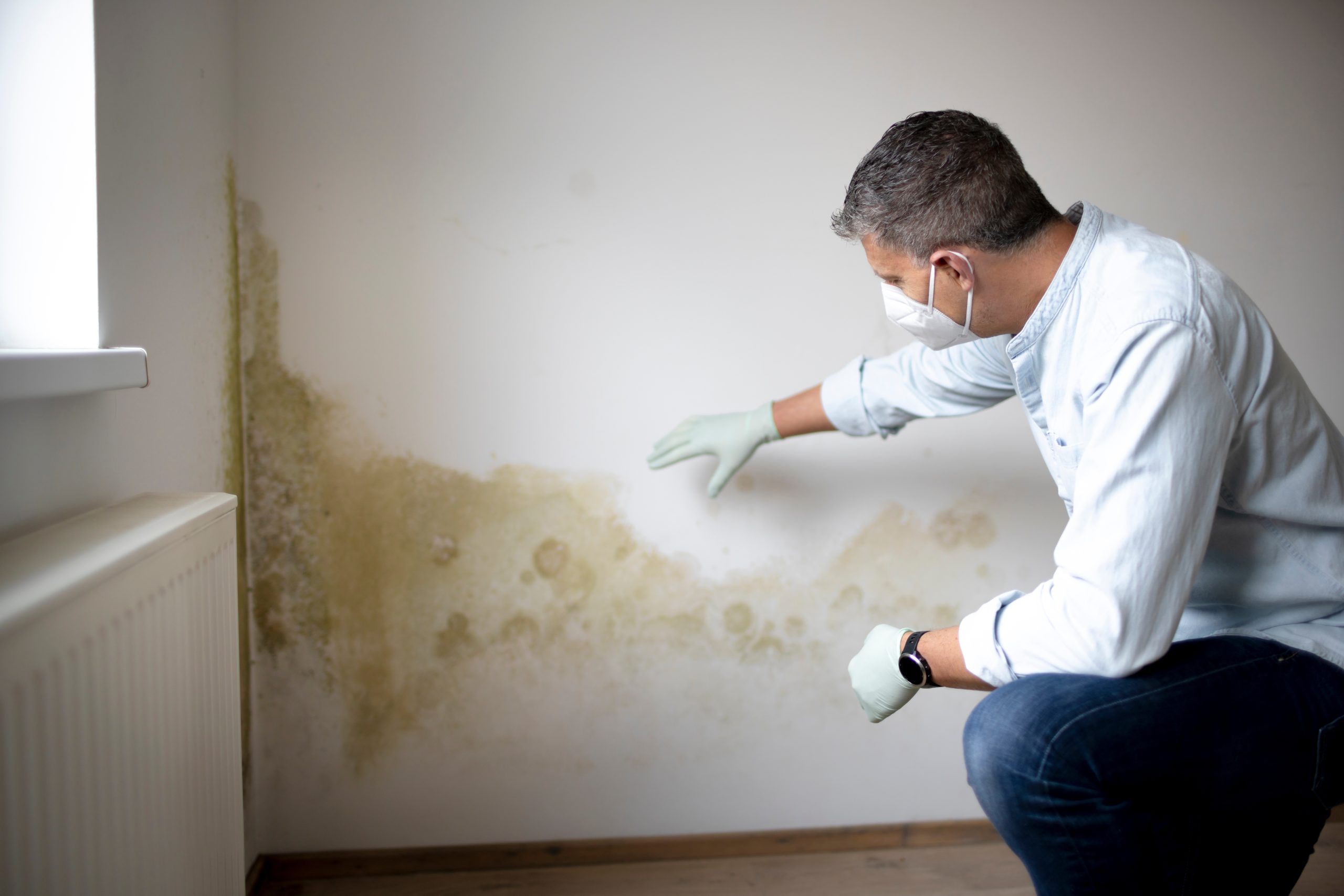
The most common source of biotoxin exposure is water-damaged buildings (WDBs) where mold thrives. However, CIRS can also result from exposure to bacteria, Lyme disease, or toxins from harmful algae.
Common Symptoms of CIRS
Because CIRS impacts multiple systems, symptoms vary from person to person. However, several hallmark signs are frequently seen:
- Chronic Fatigue – Persistent exhaustion that doesn’t improve with rest
- Cognitive Dysfunction (Brain Fog) – Difficulty concentrating, remembering, or focusing on tasks
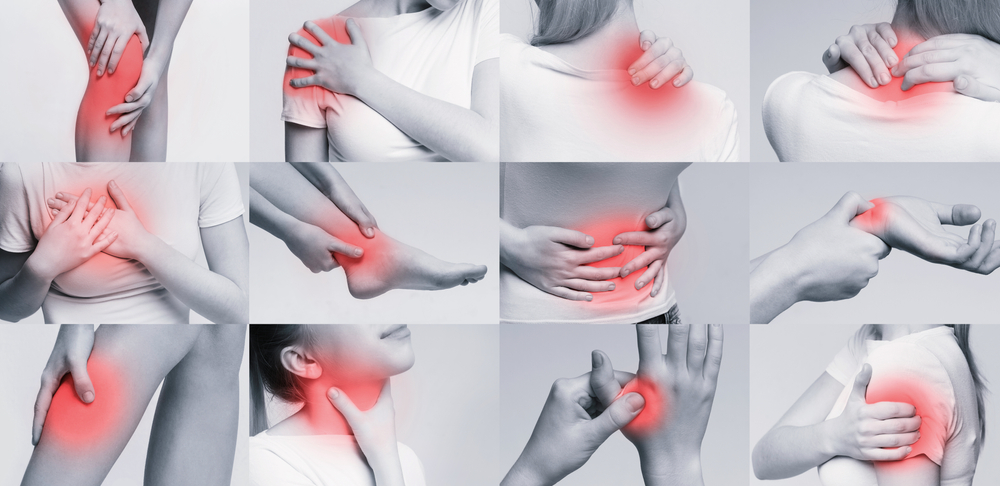
- Muscle and Joint Pain – Inflammation that causes stiffness or soreness that mimics arthritis or fibromyalgia
- Respiratory Problems – Coughing, shortness of breath, or sinus congestion
- Neurological Symptoms – Numbness, tingling, dizziness, or vertigo due to neuroinflammation
- Digestive Issues – Bloating, abdominal pain, and nausea due to gut inflammation and microbial imbalance
- Sensitivity to Light or Sound – Heightened reactivity to sensory input, linked to neuroinflammation
- Mood Changes – Depression, anxiety, irritability, or mood swings caused by inflammation in the brain
Because CIRS affects so many systems, its pattern can appear randomly. A combination of fatigue, pain, brain fog, and gut problems, especially following mold exposure, should raise suspicion for people wondering what CIRS is and whether they have it.
How CIRS Affects the Brain
One of the most concerning aspects of what CIRS can do is its impact on brain function. The inflammatory response triggered by biotoxins can lead to neuroinflammation, which interferes with how neurons communicate. This can cause symptoms such as confusion, memory lapses, anxiety, and impulsivity.
Inflammation may also alter blood flow in the brain, contributing to “brain fog” and slower processing speeds. Over time, if untreated, these neurological effects can worsen and contribute to chronic mood or cognitive disorders.
What Causes CIRS?
While mold exposure is the most common trigger, CIRS can develop from a range of biotoxin sources and environmental stressors.
- Indoor Mold and Water Damage: This is the primary cause. Mold spores release mycotoxins that can become airborne and easily inhaled.
- Bacterial Infections: Certain bacteria in water-damaged environments can produce toxins that have similar effects to mold.
- Lyme Disease: The infection caused by Borrelia burgdorferi can trigger a CIRS-like inflammatory response.
- Toxins and Pollutants: Environmental chemicals or heavy metals can act as secondary triggers that overwhelm the immune system.
Not everyone exposed to these triggers develops CIRS. Genetic susceptibility plays a major role in how the body responds to toxins and whether it can effectively eliminate them.
Treatment and Recovery Through Functional Medicine
Patients asking what CIRS is will quickly learn it is a systemic illness. Therefore, treatment must address the root cause, not just suppress symptoms. At Hope for Healing in Houston and Shenandoah, TX, practitioners use a functional medicine model that focuses on the interactions between the immune, endocrine, and nervous systems in CIRS cases.
Here’s how a functional medicine approach helps identify and treat CIRS effectively:
1. Comprehensive Diagnostics
Diagnosing CIRS requires specialized testing that goes beyond standard lab work. Hope for Healing uses advanced assessments to measure inflammatory markers, immune dysfunction, and biotoxin exposure. They may also evaluate the patient’s environment for mold or water damage to locate the ongoing source of toxins.
2. Personalized Treatment Plans
Each CIRS case is unique. Personalized care is essential because no two patients respond the same way. Hope for Healing develops tailored protocols that combine detoxification, immune modulation, and inflammation control based on each patient’s individual needs.
3. Detoxification and Biotoxin Removal
Detoxification is a cornerstone of recovery. Removing toxins allows the immune system to reset. Treatment may include natural binders, hydration, nutrition, and lifestyle changes to reduce ongoing exposure.
4. Environmental and Mold Remediation
Since the environment often fuels illness, remediation is crucial. Patients are guided through testing and mold removal to ensure they are no longer being re-exposed. Professional remediation is sometimes necessary for complete recovery.
5. Immune Support and Regulation
CIRS disrupts immune balance, leaving the body both overactive and under-defended. Functional medicine strategies include immune-modulating supplements, stress reduction techniques, and targeted therapies to restore immune balance.
6. Inflammation Reduction
Reducing chronic inflammation is key to healing. Hope for Healing incorporates anti-inflammatory nutrition, supplements, and therapies that calm the inflammatory response throughout the body.
7. Gut Health Restoration
Because gut inflammation is often a major component of what CIRS produces, rebuilding gut integrity is essential. Treatment may involve probiotics, gut-healing nutrients, and diet adjustments that promote microbial balance and reduce intestinal permeability.
Why Treating CIRS Matters
CIRS doesn’t just cause discomfort. It can profoundly affect long-term health if left untreated. Ongoing inflammation contributes to oxidative stress, mitochondrial dysfunction, and increased risk of autoimmune issues. Many patients also experience worsening neurological and cognitive symptoms over time.
Early intervention can prevent these long-term complications. Functional medicine offers one of the most comprehensive approaches for understanding and addressing CIRS at its root, rather than masking symptoms with short-term relief.
Hope for Healing and CIRS Care
What is CIRS? It is a complex and often misunderstood illness, but recovery is possible with the right diagnosis and care. At Hope for Healing, patients receive comprehensive, compassionate treatment that targets the root cause of inflammation and supports full-body healing.
If you suspect mold or biotoxin exposure may be contributing to your symptoms, it’s important not to ignore them. Hope for Healing’s functional medicine team can help you identify the source, understand your unique response, and begin a treatment plan built for long-term wellness.