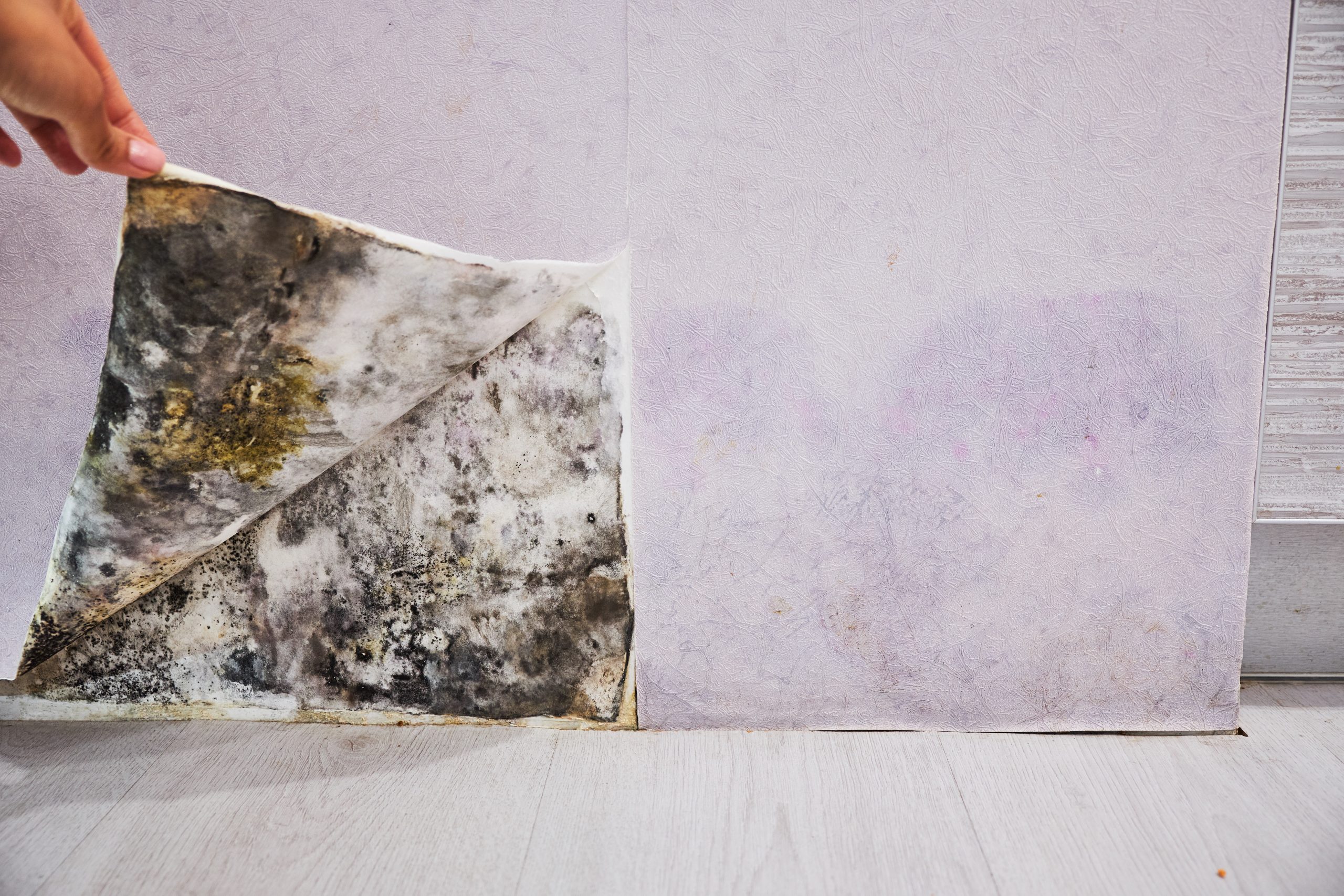
Biotoxins are toxic substances produced by living organisms such as mold, bacteria, or algae. These naturally occurring toxins can cause significant harm to human health when inhaled, ingested, or absorbed through the skin. While many people associate “toxins” with synthetic chemicals or pollution, biotoxins are organic and can exist in everyday environments, including homes, workplaces, and natural settings.
Exposure to biotoxins can trigger a wide range of health effects. For some people, the immune system successfully identifies and eliminates these toxins. For others, especially those with certain genetic susceptibilities, the body struggles to recognize or remove them. This can lead to an ongoing immune reaction known as chronic inflammatory response syndrome (CIRS).
Understanding what biotoxins are and how they interact with the body is essential for preventing long-term health consequences and seeking proper treatment.
The Science Behind Biotoxins
Biotoxins are biological poisons created by organisms as a means of defense or metabolism. They can be found in a wide range of sources, including molds growing in damp buildings, bacteria in contaminated water, or algae in lakes and oceans. Unlike chemical toxins, biotoxins are organic molecules that can bind to receptors in the body and disrupt normal cell function.
Once they enter the body, biotoxins can interfere with immune signaling, hormone balance, and mitochondrial energy production. This disruption leads to inflammation and dysfunction across multiple systems, especially in individuals whose immune systems fail to clear the toxins effectively.
Over time, this persistent immune activation can cause chronic inflammation, fatigue, neurological symptoms, and other systemic issues associated with CIRS.
Common Sources of Biotoxin Exposure
Biotoxins can enter your environment or body through several different pathways. Some of the most common sources include the following:
1. Mold from Water-Damaged Buildings (WDBs)
Indoor mold exposure is one of the most frequent causes of biotoxin-related illness. When buildings experience water damage due to leaks, flooding, or poor ventilation, mold can grow behind walls, in air conditioning systems, or under flooring. Mold releases microscopic spores and mycotoxins that can be inhaled or absorbed through the skin.
For those sensitive to what biotoxins can produce, this can trigger ongoing inflammation long after the exposure ends.
2. Bacterial Toxins
Certain bacteria, including species found in water-damaged environments, can produce endotoxins and exotoxins. These bacterial toxins can cause inflammation in the respiratory system, gut, and immune system.
3. Algal Blooms (Cyanobacteria)
Blue-green algae (cyanobacteria) found in contaminated lakes or rivers can produce powerful neurotoxins and hepatotoxins. Exposure can occur through swimming, ingestion, or inhalation of contaminated water droplets.
4. Tick-Borne Illnesses and Other Infections
Infections such as Lyme disease can lead to the production of bacterial biotoxins that contribute to chronic inflammation. In these cases, whatever biotoxins are produced will be generated inside the body as part of the infection process.
5. Food Sources
In rare cases, biotoxins can enter the body through contaminated food, such as certain shellfish that have ingested algae producing harmful toxins.
How Biotoxins Affect the Body
The body’s natural defense system is designed to recognize and eliminate foreign substances. When functioning correctly, the immune system recognizes what biotoxins are and tags them for removal through the liver and kidneys. However, in individuals with a genetic predisposition (estimated at around 25% of the population), the immune system fails to recognize what these biotoxins are: invaders.
As a result, biotoxins remain in the body, continually activating the immune system and releasing inflammatory chemicals called cytokines. This creates a chronic inflammatory response, which can affect nearly every organ system.
The inflammation caused by biotoxins often leads to oxidative stress, hormonal imbalance, and mitochondrial dysfunction, the latter of which disrupts energy production at the cellular level. Over time, this process can result in fatigue, brain fog, pain, mood changes, and a host of other symptoms.
The Link Between Biotoxins and CIRS
Chronic inflammatory response syndrome (CIRS) is the medical condition that arises when the body cannot properly detoxify or regulate its response to biotoxin exposure. It is a multisystem, multisymptom illness that results from immune dysregulation and inflammation triggered by these toxins.
CIRS can affect the nervous system, endocrine system, digestive tract, and respiratory system simultaneously, making it difficult to diagnose using standard medical tests.
What Makes Biotoxins Lead to CIRS
- Exposure: The individual encounters mold, bacteria, or another biotoxin source.
- Immune Response: The body attempts to identify and eliminate the toxin.
- Failure to Clear: Due to genetic or immune dysfunction, the toxin is not recognized or properly processed.
- Inflammation: The immune system remains in a constant state of activation, leading to widespread inflammation.
- Systemic Effects: Inflammation and immune dysregulation affect multiple organs and systems, resulting in diverse and persistent symptoms.
Common Symptoms of Biotoxin Illness and CIRS
Because CIRS impacts many body systems, symptoms can vary widely from person to person. However, some of the most common include the following:
- Persistent fatigue and weakness
- Brain fog, memory issues, and difficulty concentrating
- Chronic sinus congestion or respiratory problems
- Muscle or joint pain
- Numbness, tingling, or dizziness
- Digestive issues such as bloating, nausea, or diarrhea
- Heightened sensitivity to light, sound, or temperature
- Mood changes, including anxiety, irritability, or depression
- Hormonal imbalances or menstrual irregularities
These symptoms often appear unrelated, which is why patients with CIRS frequently see multiple specialists before receiving an accurate diagnosis.
How CIRS Is Diagnosed and Treated
CIRS diagnosis often includes the following:
- Medical history review, including environmental exposure assessment
- Laboratory tests for inflammatory markers and immune dysfunction
- Visual contrast sensitivity (VCS) testing to assess neurological impact
- Environmental testing for mold or whatever other biotoxins may be present
The cornerstone of CIRS treatment is removing the source of exposure and supporting the body’s ability to detoxify and recover. Treatment may include the following:
- Eliminating exposure: Identifying and remediating mold or other biotoxin sources
- Providing detoxification support: Using binders and nutrition to remove toxins from circulation
- Regulating the immune system: Balancing immune activity through targeted supplementation or therapies
- Reducing inflammation: Using anti-inflammatory interventions, diet, and lifestyle strategies
- Restoring gut health: Repairing the gut lining and microbiome to support immune function
Functional medicine offers a holistic framework for this process, integrating environmental medicine, immunology, and nutrition to address both cause and consequence.
Get Help for Biotoxin Illness at Hope for Healing
Biotoxin-related illness is complex, but recovery is possible with the right approach. At Hope for Healing, our team uses a functional medicine model to identify and treat CIRS and other chronic conditions linked to environmental toxins.
Our comprehensive care includes advanced diagnostic testing, detoxification support, and personalized treatment plans designed to restore balance to the immune and inflammatory systems.
If you suspect that mold or other environmental factors may be affecting your health, Hope for Healing can help you uncover the source of your symptoms and begin the journey toward recovery.