Vector-borne diseases affect hundreds of millions of people worldwide each year and are responsible for a wide range of acute and chronic health conditions. Despite their prevalence, the term “vector-borne disease” is often misunderstood or oversimplified. Many people recognize individual illnesses such as Lyme disease or malaria but may not realize they fall under a broader category defined by how the disease is transmitted rather than by symptoms alone.
This article provides a comprehensive guide to vector-borne diseases: what the term means, why it matters, how these illnesses impact the body, and a detailed list of the most common vector-borne diseases. It also explores why a functional medicine approach, such as the care offered at Hope for Healing, can be valuable for individuals dealing with these complex conditions.
What Does “Vector-Borne Disease” Mean?
A vector-borne disease is an illness caused by pathogens such as bacteria, viruses, or parasites that are transmitted to humans through a living carrier known as a vector.
A vector is typically an insect or arthropod that carries the infectious organism from one host to another.
Common Vectors
- Ticks
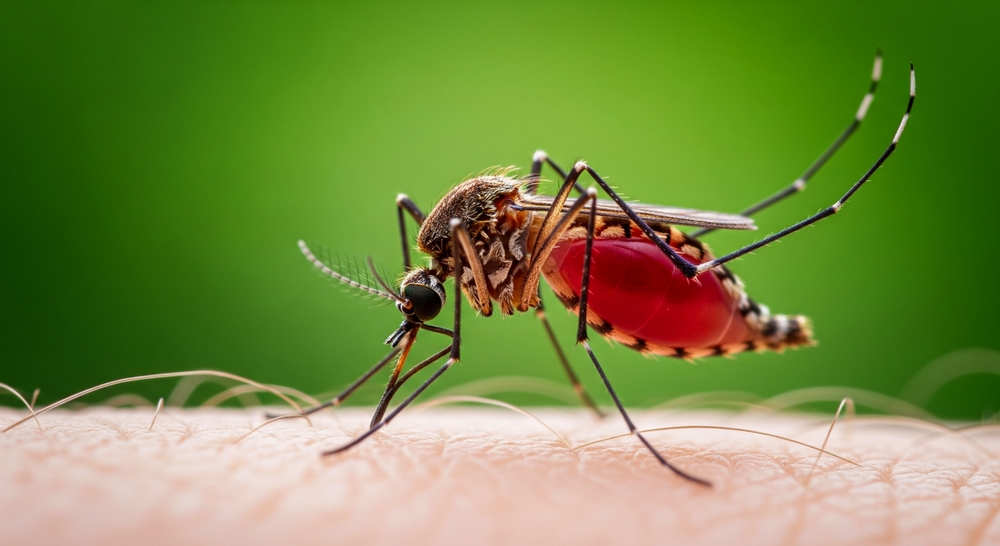
- Mosquitoes
- Fleas
- Lice
- Sand flies
- Triatomine bugs (kissing bugs)
Unlike diseases spread directly from person to person, vector-borne diseases require this intermediary organism to transmit the infection.
Why the Term “Vector-Borne” Is Used
The term “vector-borne” emphasizes the mode of transmission, not just the pathogen involved. This distinction matters because…
- Prevention strategies focus on vector control
- Diagnosis may require exposure history, not just symptoms
- Multiple infections can be transmitted by the same vector
- Symptoms may overlap across different diseases
For example, a single tick bite may transmit multiple pathogens at once, leading to layered or persistent symptoms that don’t fit neatly into one diagnosis.
How Vector-Borne Diseases Affect the Body
Once a pathogen enters the body through a vector bite, it may…
- Trigger an immune response
- Cause systemic inflammation
- Affect the nervous system
- Impact joints, muscles, or organs
- Persist in the body if not fully cleared
Some vector-borne diseases cause acute illnesses that resolve with treatment, while others can become chronic or relapsing, especially if diagnosis is delayed.
Major Categories of Vector-Borne Diseases
Vector-borne diseases are generally classified based on the type of organism causing the illness:
- Bacterial
- Viral
- Parasitic
Each category includes multiple diseases with varying severity and long-term effects.
Common Vector-Borne Diseases
Below is a broad overview of many known vector-borne diseases, along with brief explanations of each.
Tick-Borne Diseases
Ticks are among the most common vectors and can transmit multiple infections in a single bite.
- Lyme Disease – Caused by Borrelia burgdorferi; often associated with joint pain, fatigue, and neurological symptoms
- Babesiosis – A parasitic infection affecting red blood cells, similar to malaria
- Anaplasmosis – Bacterial infection causing fever, muscle aches, and immune suppression
- Ehrlichiosis – Causes flu-like symptoms and can affect white blood cells
- Rocky Mountain Spotted Fever – A serious bacterial illness that may cause rash, fever, and organ damage
- Tularemia – Rare bacterial infection affecting skin, lungs, or lymph nodes
- Tick-Borne Relapsing Fever – Characterized by recurring fevers
Mosquito-Borne Diseases
Mosquitoes transmit some of the most widespread vector-borne illnesses globally.
- Malaria – Parasitic disease affecting red blood cells, causing cyclical fevers
- Dengue Fever – Viral illness causing high fever, joint pain, and fatigue
- Zika Virus – Viral infection that may affect neurological development
- West Nile Virus – Can cause neurological symptoms in severe cases
- Chikungunya – Causes fever and long-lasting joint pain
- Yellow Fever – Viral illness affecting the liver and immune system
- Japanese Encephalitis – Viral infection affecting the brain
Flea-Borne Diseases
- Plague – Caused by Yersinia pestis, historically significant and still present in some regions
- Murine Typhus – Bacterial infection causing fever and rash
Louse-Borne Diseases
- Epidemic Typhus – Severe bacterial illness associated with poor sanitation
- Trench Fever – Causes recurring fevers and bone pain
Sandfly-Borne Diseases
- Leishmaniasis – Parasitic disease affecting skin or internal organs
Other Vector-Borne Diseases
- Chagas Disease – Caused by Trypanosoma cruzi, transmitted by triatomine bugs
- African Trypanosomiasis (Sleeping Sickness) – A parasitic disease affecting the nervous system
Why Vector-Borne Diseases Are Often Missed or Misdiagnosed
Vector-borne illnesses are notoriously difficult to diagnose because…
- Symptoms overlap with many other conditions
- Testing may be limited or time-sensitive
- Co-infections are common
- Symptoms may appear weeks or months after exposure
Patients may experience fatigue, pain, neurological symptoms, or digestive issues without a clear explanation, especially if initial infections were not fully addressed.
Chronic and Complex Presentations
While some vector-borne diseases resolve quickly, others can lead to…
- Persistent inflammation
- Immune dysregulation
- Neurological symptoms
- Hormonal imbalance
- Reduced stress tolerance
These chronic patterns are especially important to recognize when symptoms linger despite basic treatment.
Prevention and Awareness
While not all vector-borne diseases are preventable, awareness plays a key role. Preventive strategies may include the following:
- Protective clothing in high-risk areas
- Tick and mosquito control measures
- Prompt removal of ticks
- Awareness of early symptoms
Early recognition and appropriate care can reduce the risk of long-term complications.
Functional Medicine and Vector-Borne Disease Care
Functional medicine looks beyond isolated symptoms to understand how infections affect the body as a whole. This approach can be particularly valuable for vector-borne diseases due to their complexity.
Functional medicine may focus on the following areas:
- Immune system balance
- Inflammatory pathways
- Nervous system health
- Gut and detoxification support
- Environmental and lifestyle contributors
- Exposure history
Understanding where and how exposure occurred can be just as important as laboratory testing. Functional medicine practitioners often explore the following factors:
- Travel history
- Outdoor activity exposure
- Geographic risk factors
- Symptom progression over time
This context can help clarify patterns that standard approaches may overlook.
Rather than viewing vector-borne diseases as single events, however, functional medicine considers their long-term impact on the body.
Hope for Healing and Vector-Borne Disease Care
Hope for Healing offers functional medicine care for individuals navigating the complexity of vector-borne diseases. Our approach emphasizes whole-body evaluation, personalized care plans, and factors that influence long-term recovery.
Functional medicine care at Hope for Healing may help patients…
- Understand lingering or complex symptoms
- Address inflammation and immune stress
- Support recovery beyond acute infection
- Improve overall resilience and health
To learn more about conditions treated and functional medicine support for vector-borne illnesses, visit: https://get2theroot.com/conditions