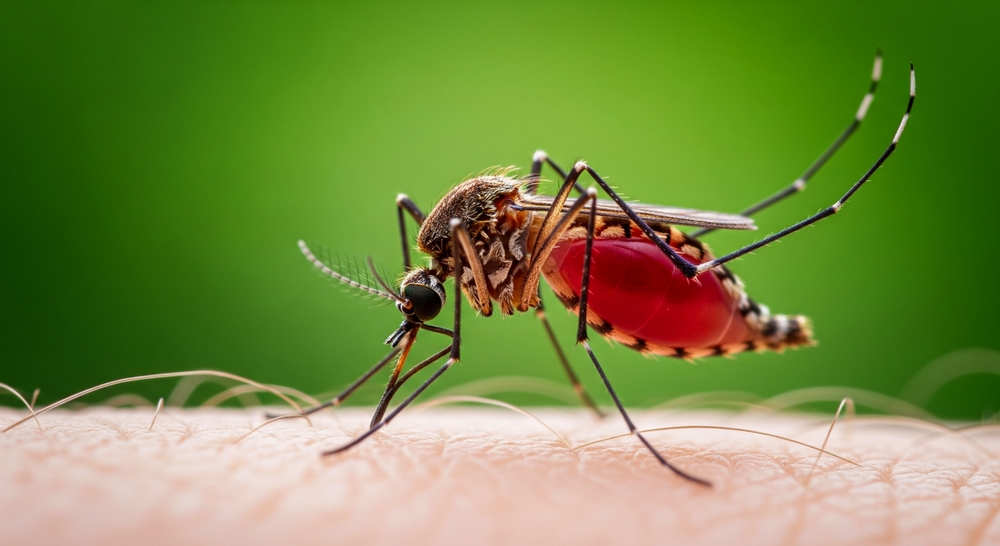
Vector-borne diseases affect millions of people worldwide every year, yet many individuals don’t fully understand how these illnesses are transmitted, why symptoms can be so complex, or what steps to take if they suspect an infection. From mosquito-borne illnesses such as malaria to tick-borne conditions such as Lyme disease, vector-borne diseases can impact multiple systems in the body and, in some cases, lead to long-term health challenges.
This guide is designed to help you learn about what vector-borne diseases are, explore the most common types, discover practical prevention strategies, and know what to do if you contract one of these illnesses. We’ll also discuss how functional medicine can play an important role in supporting recovery and long-term health.
What Is a Vector-Borne Disease?
A vector-borne disease is an illness caused by pathogens such as bacteria, viruses, or parasites that are transmitted to humans through a living carrier called a vector. The vector is typically an insect or arthropod that carries the pathogen from one host to another.
Common Vectors
- Mosquitoes
- Ticks
- Fleas
- Sand flies
- Triatomine bugs (kissing bugs)
The vector itself is usually not affected by the pathogen but serves as a delivery mechanism, transferring the infectious agent into the human bloodstream through a bite.
How Vector-Borne Diseases Affect the Body
Once a pathogen enters the body via a vector bite, it can…
- Trigger an immune response
- Spread through the bloodstream or lymphatic system
- Invade specific tissues or organs
- Disrupt immune regulation and inflammation pathways
Some vector-borne diseases cause acute symptoms that are resolved with treatment, while others can lead to chronic or relapsing illness if not addressed thoroughly. In certain cases, the immune system may struggle to fully clear the infection, resulting in ongoing inflammation and multisystem symptoms.
Common Types of Vector-Borne Diseases
Vector-borne diseases vary widely depending on the vector, pathogen, and geographic region. Below is a guide to some of the most common categories:
Mosquito-Borne Diseases
Mosquitoes are among the most well-known vectors and are responsible for transmitting several serious illnesses.
Common Mosquito-Borne Diseases:
- Malaria
- Dengue fever
- Zika virus
- West Nile virus
- Chikungunya
- Yellow fever
Typical Symptoms:
- Fever and chills
- Headache and body aches
- Fatigue
- Nausea or vomiting
- Rash (in some cases)
Mosquito-borne illnesses often develop rapidly after infection, though some may have delayed or mild initial symptoms.
Tick-Borne Diseases
Ticks are responsible for transmitting a wide range of bacterial and parasitic infections, particularly in North America and Europe.
Common Tick-Borne Diseases:
- Lyme disease
- Babesiosis
- Anaplasmosis
- Ehrlichiosis
- Rocky Mountain spotted fever
Possible Symptoms:
- Flu-like symptoms
- Joint and muscle pain
- Neurological symptoms
- Fatigue
- Cognitive difficulties
- Skin rashes (such as the classic bullseye rash in Lyme disease, though not everyone develops it)
Tick-borne diseases are especially known for causing persistent or chronic symptoms when not treated early or adequately.
Flea-Borne Diseases
Fleas transmit fewer diseases than mosquitoes or ticks but can still pose serious health risks.
Examples:
- Plague
- Murine typhus
Symptoms may include fever, headache, weakness, and swollen lymph nodes.
Other Vector-Borne Illnesses
Some less common but clinically significant vector-borne diseases to learn about include the following:
- Chagas disease (spread by kissing bugs)
- Leishmaniasis (spread by sand flies)
- African sleeping sickness (spread by tsetse flies)
These illnesses may cause severe or progressive symptoms if untreated.
Why Vector-Borne Diseases Can Be Difficult to Diagnose
One of the challenges with vector-borne illnesses is that their symptoms often overlap with other conditions. Fatigue, joint pain, headaches, and brain fog are nonspecific and may be misattributed to stress, aging, or autoimmune conditions.
Additional diagnostic challenges include the following:
- Delayed onset of symptoms
- Incomplete or inaccurate testing
- Co-infections from a single vector bite
- Individual immune response variability
As a result, some people may go months or years without an accurate diagnosis.
How to Reduce Your Risk of Vector-Borne Diseases
While not all vector-borne diseases can be prevented through learning, taking precautions can significantly lower your risk.
General Prevention Strategies
- Use insect repellents when outdoors
- Wear long sleeves and pants in high-risk areas
- Perform tick checks after outdoor activities
- Shower soon after being outdoors
- Remove ticks promptly and correctly
Environmental Precautions
- Avoid areas with heavy insect activity when possible
- Use window screens and bed nets in mosquito-prone regions
- Eliminate standing water near your home
Travel Considerations
- Research region-specific vector risks
- Follow vaccination or prophylactic recommendations
- Take extra precautions in tropical or subtropical climates
What to Do If You Think You’ve Contracted a Vector-Borne Disease
If you learn you may have contracted a vector-borne disease, early action is important.
Steps to Take
- Seek medical evaluation promptly
- Document symptoms and possible exposure
- Request appropriate testing
- Avoid dismissing persistent or worsening symptoms
Even if initial tests are inconclusive, continued symptoms should not be ignored.
Why Some People Don’t Fully Recover
In some cases, individuals continue to experience symptoms long after the initial infection appears to have resolved. This may be due to…
- Ongoing immune activation
- Incomplete pathogen clearance
- Co-infections
- Inflammatory or autoimmune responses
- Nervous system dysregulation
This is where a more comprehensive approach to care may be needed.
Functional Medicine and Vector-Borne Disease Care
Functional medicine focuses on understanding how illness affects the body as a whole rather than treating isolated symptoms. This approach can be particularly valuable for vector-borne diseases that impact multiple systems.
Functional medicine practitioners take time to evaluate the following markers:
- Immune system function
- Inflammatory markers
- Detoxification capacity
- Gut and nervous system health
- Environmental and lifestyle factors
Functional medicine can support recovery by…
- Identifying underlying contributors to persistent symptoms
- Supporting immune balance rather than immune suppression
- Addressing inflammation and oxidative stress
- Supporting detoxification pathways
- Improving resilience and long-term health
Rather than a one-size-fits-all approach, care is individualized based on each patient’s unique presentation.
When to Consider Functional Medicine Care
You may benefit from a functional medicine approach if…
- Symptoms persist despite conventional treatment
- You suspect co-infections or environmental contributors
- Fatigue, pain, or cognitive symptoms linger
- You want a whole-body approach to healing
Functional medicine does not replace urgent or emergency care but can complement conventional treatment, especially in complex or chronic cases.
Hope for Healing: Comprehensive Care for Vector-Borne Illness
Hope for Healing offers functional medicine care designed to address the root causes of illness rather than just managing symptoms. Our approach is particularly well-suited for individuals learning about the long-term effects of vector-borne diseases via their lived experience.
By focusing on immune regulation, inflammation, detoxification, and whole-body balance, Hope for Healing helps patients move toward sustainable recovery and improved quality of life.If you’re seeking deeper support after a vector-borne illness or wanting guidance navigating persistent symptoms, functional medicine may provide the clarity and care you need. Learn more about vector-borne diseases and functional medicine services at Hope for Healing, and explore whether this approach is right for you: https://get2theroot.com/conditions.