It’s common for people struggling with chronic illness to wonder whether their symptoms might come from mold, Lyme disease, or both. These two conditions often overlap, and their symptoms can look nearly identical: fatigue, joint pain, brain fog, and chronic inflammation. But an important question arises: Can mold biotoxins come from Lyme disease?
The short answer is no. Mold and Lyme disease are two distinct sources of biotoxins. Mold biotoxins come from certain fungi that grow in damp or water-damaged environments, while Lyme disease is caused by bacteria transmitted through tick bites.
However, the two conditions share something critical in common: both can trigger chronic inflammatory responses that affect the brain, immune system, and other organs. For people who have been exposed to both mold and Lyme, the effects can compound, leading to prolonged illness and confusion in diagnosis.
Understanding the relationship between mold biotoxins and Lyme disease is essential for accurate treatment, especially for those experiencing chronic inflammation or chronic inflammatory response syndrome (CIRS).
What Are Mold Biotoxins?
Mold biotoxins, also known as mycotoxins, are toxic compounds produced by certain species of mold. These toxins are part of the mold’s defense mechanism, helping it survive and outcompete other microorganisms in the environment.
When mold grows indoors, especially in water-damaged buildings (WDBs), it releases these biotoxins into the air and surrounding materials. People can then be exposed through inhalation, ingestion, or skin contact.
Common molds that produce biotoxins include Stachybotrys, Aspergillus, Penicillium, and Chaetomium. Mycotoxins can be found in building materials, HVAC systems, carpets, and even dust particles.
For most people, brief or low-level exposure may not cause long-term harm. However, those with a genetic predisposition, specifically variations in the HLA-DR gene, can struggle to detoxify and eliminate these toxins from their bodies. Instead of clearing them, their immune systems enter a chronic state of inflammation, leading to the multi-system illness known as CIRS (chronic inflammatory response syndrome).
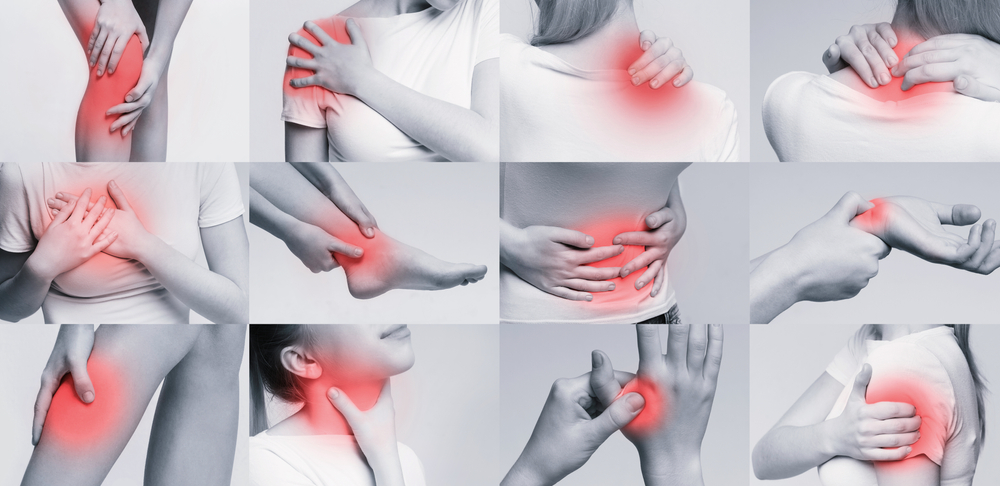
Mold biotoxin exposure has been linked to a wide range of symptoms, including the following:
- Chronic fatigue
- Muscle and joint pain
- Brain fog and poor memory
- Headaches
- Respiratory problems
- Digestive distress
- Sensitivity to light or sound
- Mood changes and anxiety
Because mold toxins affect multiple systems, they can easily mimic other illnesses, making diagnosis and treatment challenging without a comprehensive approach.
What Is Lyme Disease?
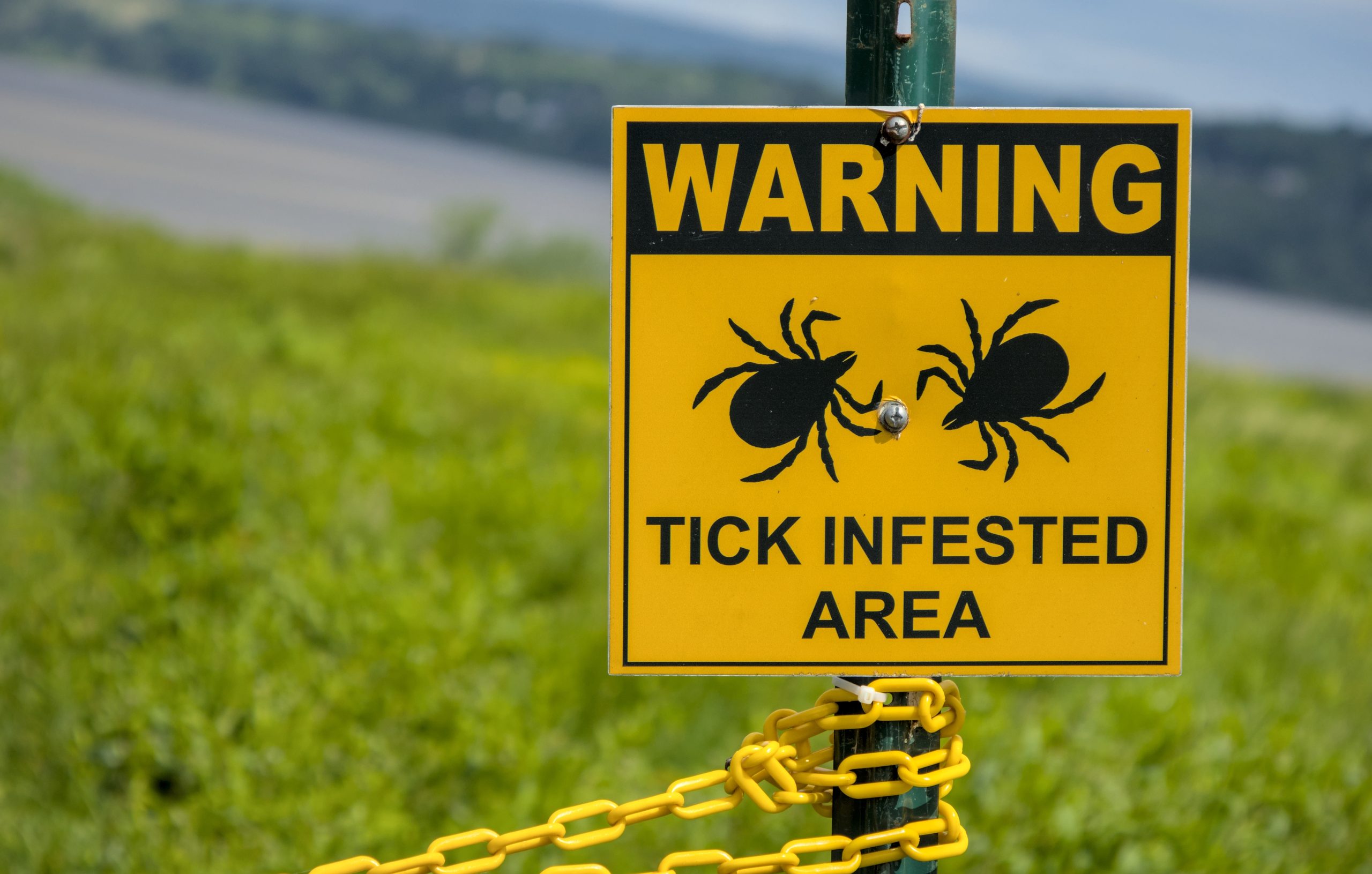
Lyme disease is an infection caused by the bacterium Borrelia burgdorferi (and related species), transmitted through the bite of an infected black-legged tick (often called a deer tick). It’s the most common vector-borne disease in the United States and affects tens of thousands of people each year.
When a person is bitten by an infected tick, the bacteria can enter the bloodstream and spread throughout the body. Early symptoms often include the following:
- Fever and chills
- Fatigue
- Headache
- Muscle and joint aches
- Swollen lymph nodes
- A characteristic “bull’s-eye” rash (erythema migrans)
If left untreated, Lyme disease can progress to more serious complications, including the following:
- Neurological symptoms such as facial paralysis, numbness, or tingling
- Severe joint pain and arthritis, particularly in the knees
- Cognitive issues (“Lyme brain”)
- Irregular heartbeat or chest pain
- Chronic fatigue and mood changes
While antibiotics can usually treat acute Lyme infections effectively, some individuals experience lingering symptoms even after treatment, a condition often called Post-Treatment Lyme Disease Syndrome (PTLDS).
For some, this lingering inflammation can resemble or even overlap with biotoxin-related illness such as CIRS.
The Difference Between Mold Biotoxins and Lyme Disease
It’s important to understand that mold biotoxins and Lyme disease come from completely different sources and affect the body in distinct ways, even though their effects can overlap.
| Aspect | Mold Biotoxins | Lyme Disease |
| Source | Produced by molds in damp or water-damaged environments | Caused by Borrelia bacteria transmitted via tick bite |
| Type of Agent | Fungal toxin | Bacterial infection |
| Exposure Route | Inhalation, ingestion, or skin contact with spores/toxins | Bite from infected tick |
| Main Trigger | Environmental exposure | Vector-borne infection |
| Immune Response | Chronic inflammation due to toxin buildup | Inflammation due to bacterial infection |
| Treatment Focus | Detoxification and reduced inflammation | Antibiotics and immune regulation |
So, can mold biotoxins come from Lyme disease? No. Mold and Lyme are separate causes of illness, but both can lead to similar inflammatory responses.
The Connection Between Mold Biotoxins and Lyme Disease
Although mold doesn’t come from Lyme disease, these two conditions often interact in complex ways.
Both mold biotoxin exposure and Lyme disease activate the immune system and trigger the release of inflammatory molecules (cytokines). In people who are genetically or metabolically susceptible, this inflammation can spiral out of control, leading to chronic illness.
In fact, many people with chronic Lyme disease find that mold exposure worsens their symptoms, or that they don’t improve with standard Lyme treatment until mold toxicity is also addressed.
This is because mold biotoxins can do the following:
- Weaken the immune system, making it harder to fight bacterial infections
- Increase inflammation, amplifying symptoms such as fatigue, joint pain, and brain fog
- Disrupt detoxification pathways, causing toxins from both mold and bacteria to accumulate
- Affect hormone balance, leading to fatigue, mood swings, and poor sleep
- Trigger CIRS, which keeps the body in a state of chronic inflammatory overdrive
In short, while mold doesn’t come from Lyme disease, it can exacerbate Lyme symptoms and slow recovery. Similarly, unresolved Lyme disease can make a person more sensitive to mold exposure.
How to Know If You Have Mold Illness, Lyme, or Both
Distinguishing between mold biotoxins and Lyme disease requires comprehensive testing and medical evaluation, ideally by a practitioner experienced in functional and environmental medicine.
Testing may include the following:
- Mycotoxin testing (urine or blood tests to detect mold toxins)
- CIRS-specific labs such as TGF-beta1, C4a, and MMP-9
- Lyme testing, including Western blot and more sensitive molecular assays
- Visual Contrast Sensitivity (VCS) testing to detect neurological inflammation
- Environmental testing for mold contamination in your home or workplace
Because both conditions can occur together, identifying which is contributing to your symptoms—and to what degree—is essential for recovery.
Treating Mold and Lyme-Related Illness
If you have both mold illness and Lyme disease, treatment needs to be comprehensive and personalized. Simply addressing one without the other often leads to incomplete healing.
A functional medicine approach focuses on the following:
- Removing the Source of Exposure
- For mold, this may mean home testing and remediation or relocation.
- For Lyme, this involves treating the infection with appropriate antimicrobial or herbal therapies.
- Detoxifying the Body
- We can support liver function and hydration to aid natural detox pathways.
- Reducing Inflammation
- A functional medicine approach provides anti-inflammatory nutrition, supplements, and therapies to calm the immune system.
- Restoring Gut and Hormone Health
- Since chronic inflammation affects the gut and endocrine systems, rebuilding these is key to lasting recovery.
- Providing Immune Modulation
- This involves supporting proper immune balance rather than overstimulation.
Find Comprehensive CIRS and Biotoxin Care at Hope for Healing
If you suspect mold exposure, Lyme disease, or chronic inflammation, it’s important to seek care from practitioners who understand how these conditions interact.
At Hope for Healing, our team specializes in diagnosing and treating CIRS and other biotoxin-related illnesses. We use advanced testing, personalized treatment plans, and a functional medicine approach to help patients recover from chronic inflammatory illness.Learn more about CIRS and how to begin recovery from mold or Lyme-related inflammation at get2theroot.com/cirs-roadmap. You can also schedule a welcome call today!