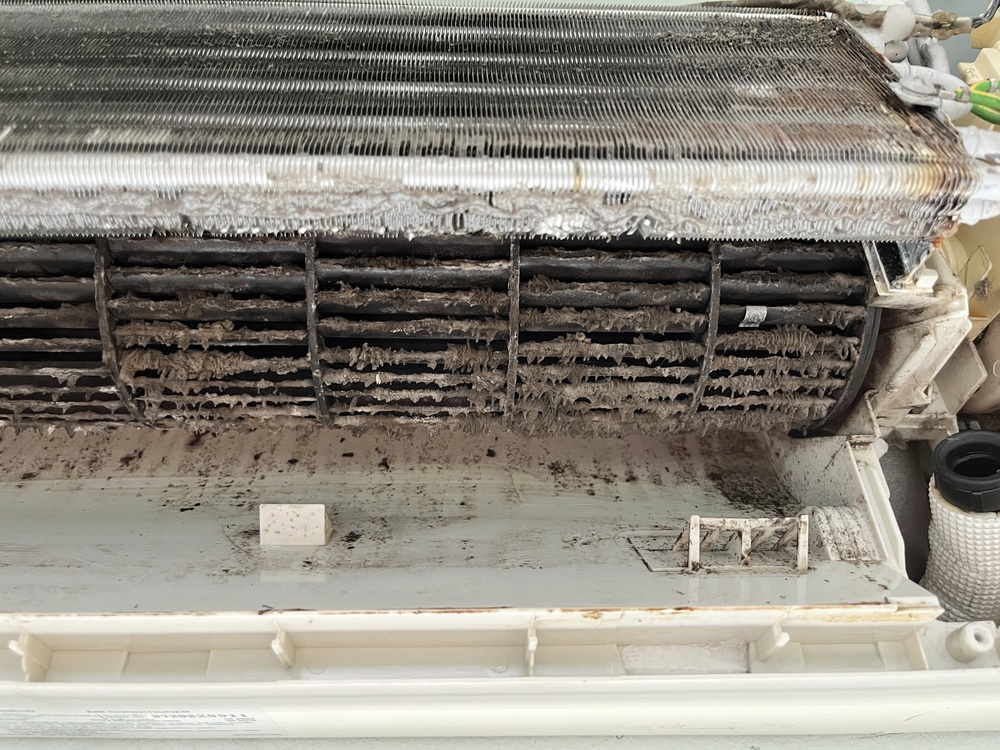
If you’ve ever struggled with persistent headaches and wondered whether your environment might be to blame, you’re asking an important question. Mold is more common than most people realize, and exposure to mold can trigger a wide variety of symptoms—including headaches that don’t seem to respond to normal remedies. At Hope for Healing in Houston, we regularly work with patients who ask us whether their recurring discomfort could be a mold exposure headache.
The answer is yes: mold can directly and indirectly contribute to head pain. The pathways include inflammation, sinus irritation, immune activation, and even muscle tension caused by your body’s stress response. Understanding how these factors connect is the first step in addressing the problem effectively.
Why Mold Exposure Affects the Body
Mold produces tiny particles called spores that spread easily through the air. In some species, mold also creates mycotoxins, chemical compounds that can have toxic effects when inhaled or ingested. For sensitive individuals, even small amounts of exposure can set off a chain reaction in the body.
When spores or toxins enter your system, your immune system recognizes them as foreign and potentially harmful. This often leads to an inflammatory response. While inflammation is part of the body’s natural defense, it can also create unpleasant symptoms when it becomes chronic or excessive. Headaches are one of the most common results.
How Mold Exposure Leads to Headaches
There are several reasons why mold exposure can specifically trigger headaches:
- Inflammation in the nervous system: Inflammatory chemicals released by your immune response can irritate nerves and blood vessels in the head, leading to pain.
- Sinus pressure: Mold spores often affect the sinuses, creating congestion or inflammation that increases head pressure.
- Muscle tension: Living in a moldy environment may trigger a stress response, leading to tightened muscles in the neck and shoulders that radiate pain into the head.
- Circulatory changes: Mold-related inflammation can alter blood flow to the brain, which may cause migraines in susceptible individuals.
This combination of triggers explains why a mold exposure headache can feel different from other headaches and why it often doesn’t respond to over-the-counter pain relievers alone.
Other Symptoms That May Accompany Mold Exposure
When patients come to us asking if mold could be contributing to their headaches, we often look for additional signs that mold is part of the problem. These can include the following:
- Chronic sinus congestion or frequent sinus infections
- Persistent fatigue or brain fog
- Eye irritation, coughing, or respiratory problems
- Sensitivity to smells or chemicals
- Muscle aches, joint pain, or unusual skin issues
A mold exposure headache rarely appears in isolation. Instead, it’s often part of a broader pattern of symptoms that signal the body is under environmental stress.
Why These Headaches Are Often Misdiagnosed
One of the most frustrating aspects of dealing with a mold exposure headache is how easily it can be dismissed or misattributed. Many patients are told their headaches are caused by stress, dehydration, or hormonal changes. While those can certainly be factors, they don’t tell the whole story.
Conventional medicine doesn’t always look for environmental triggers. Unless a patient specifically raises concerns about mold, many providers never connect the dots. That leaves patients cycling through medications that may dull the pain but never address the root cause.
At Hope for Healing, we take a different approach. We know that the environment plays a powerful role in health, and we evaluate mold exposure as part of our broader roadmap for patients dealing with chronic inflammatory response syndrome (CIRS).
How We Approach Mold-Related Headaches
Our work with patients who suspect mold involvement begins with listening. We take your symptoms seriously and ask questions about your environment, lifestyle, and medical history. If your pattern of symptoms suggests mold exposure, we can order specialized testing to measure inflammatory markers and immune activity.
When a mold exposure headache is confirmed, treatment focuses on three main areas:
- Reducing exposure: Identifying and addressing mold in your home or workplace is essential.
- Calming inflammation: We use therapies that help regulate your immune system and lower the inflammatory load driving your pain.
- Supporting recovery: Nutrition, detoxification support, and restorative therapies help the body rebuild resilience.
This comprehensive approach helps patients not only find relief from headaches but also recover from the broader effects of mold on their health.
Living with Mold: Why Headaches Persist
One reason patients continue to struggle with mold-related headaches is that mold exposure is often ongoing. Spores can hide behind walls, under carpets, or in HVAC systems, making them difficult to detect and remove. Even small, repeated exposures can keep the immune system activated and headaches recurring.
That’s why resolving a mold exposure headache requires both medical care and environmental solutions. At Hope for Healing, we partner with patients to address both sides of the problem. By supporting the body while you work to remediate your environment, we help you break the cycle of chronic discomfort.
When to Seek Help
Headaches are one of the most common complaints in health care, but if you suspect they’re linked to mold, it’s important to seek specialized care. Signs you should schedule an appointment with us include the following:
- Headaches that improve when you’re away from home or work but return when you come back
- Headaches that occur alongside sinus, respiratory, or fatigue-related symptoms
- Headaches that don’t improve with typical remedies such as hydration, rest, or over-the-counter medications
We help patients navigate these patterns and uncover whether mold is playing a role.
Why Choose Hope for Healing?
At Hope for Healing, we believe patients deserve answers to questions such as, “Could mold be causing my headaches?” Our team has years of experience working with CIRS and environmental illness. We’ve developed a clear roadmap for addressing mold-related health concerns, including headaches that won’t go away.
Unlike conventional practices that may stop at prescribing painkillers, we dig deeper. Our goal is not just to dull your pain but to help your body heal by reducing triggers, calming inflammation, and restoring balance.
Schedule a Welcome Call with Us Today
If you’ve been struggling with recurring headaches and suspect mold might be involved, don’t ignore the signs. A mold exposure headache is a warning that your body is under stress, and finding the root cause is the only way to truly resolve it.At Hope for Healing in Houston, we help patients uncover the environmental and biological factors behind their symptoms and guide them toward lasting solutions. Contact us today to explore our CIRS roadmap and discover how we can help you finally find relief from mold-related headaches.