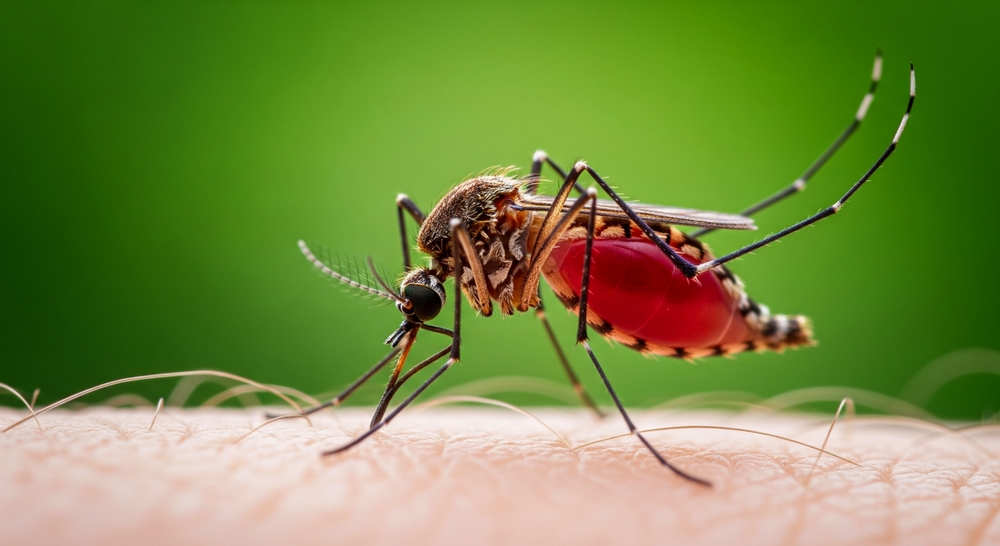
“Biotoxin illness” is a term often used to describe a collection of symptoms that arise when the body is exposed to naturally occurring toxins produced by living organisms. While biotoxin illness itself is not always a single diagnostic label, the symptoms it causes are very real, and for many people, they can be persistent, disruptive, and difficult to explain.
Individuals experiencing biotoxin-related illness often report feeling “off” for long periods of time and cycle through unexplained symptoms that affect multiple systems in the body. Understanding what biotoxins are, how they impact the body, and what symptoms they may cause are important steps toward effective care.
This guide explores the most common biotoxin illness symptoms, the types of biotoxins that can trigger them, and how a functional medicine approach can help address the root causes rather than simply managing symptoms.
What Are Biotoxins?
Biotoxins are toxic substances produced by living organisms. Unlike chemical toxins that are man-made, biotoxins are naturally occurring and are released by organisms such as fungi, bacteria, algae, insects, and parasites.
Biotoxins are designed by nature to protect the organism producing them. But when humans are exposed, these toxins can interfere with their biological processes.
Common Sources of Biotoxins
- Mold and mycotoxins
- Cyanobacteria (blue-green algae)
- Tick- and insect-borne organisms
- Certain bacteria and parasites
- Marine toxins (from harmful algal blooms)
Not everyone exposed to biotoxins becomes ill, but some individuals have a genetic or immune-related susceptibility that makes it harder for their bodies to effectively clear these toxins.
How Biotoxins Affect the Body
Biotoxins primarily impact the body by activating the immune system and triggering inflammation. In some individuals, this inflammatory response does not shut off properly, leading to ongoing symptoms.
Important ways biotoxins affect the body include the following:
- Disrupting immune regulation
- Increasing inflammatory signaling
- Affecting neurological function
- Interfering with hormone balance
- Stressing detoxification pathways
When the body cannot efficiently recognize, process, and eliminate biotoxins, symptoms of illness may become chronic rather than resolving after exposure ends.
Why Biotoxin Illness Symptoms Can Vary
One of the defining features of biotoxin-related illness is that symptoms often involve multiple systems at once. This can make diagnosis challenging and may lead people to feel dismissed or misunderstood.
Biotoxins do not target just one organ. Instead, they can affect the following areas:
- The brain and nervous system
- The immune system
- The digestive system
- Hormonal signaling
- Muscles and joints
As a result, biotoxin illness symptoms may appear unrelated on the surface, even though they share a common underlying cause.
Common Biotoxin Illness Symptoms
While symptoms vary from person to person, there are recognizable patterns that commonly appear in biotoxin illness.
Neurological and Cognitive Symptoms
- Brain fog
- Difficulty concentrating
- Memory issues
- Headaches or migraines
- Dizziness or lightheadedness
- Sensitivity to light or sound
Many people describe feeling mentally slowed or disconnected, especially after time spent in environments associated with exposure.
Fatigue and Energy Issues
- Persistent fatigue not relieved by rest
- Exercise intolerance
- Feeling drained after minimal activity
- Sleep disturbances
This type of fatigue is often disproportionate to exertion and may worsen with ongoing exposure or stress.
Mood and Emotional Changes
- Anxiety
- Depression
- Irritability
- Mood swings
- Increased emotional sensitivity
Inflammation in the brain and nervous system can significantly affect emotional regulation, even in individuals with no prior mental health history.
Respiratory and Sinus Symptoms
- Chronic sinus congestion
- Post-nasal drip
- Cough or throat irritation
- Shortness of breath
- Worsening asthma-like symptoms
These symptoms of biotoxin illness are especially common in mold-related biotoxin exposure.
Digestive Symptoms
- Bloating
- Abdominal pain
- Diarrhea or constipation
- Food sensitivities
- Nausea
Biotoxins can disrupt the gut lining and microbiome, contributing to ongoing digestive distress.
Musculoskeletal Pain
- Joint pain or stiffness
- Muscle aches
- Migratory pain (pain that moves around the body)
This pain is often inflammatory in nature and may not respond well to conventional pain relievers.
Skin and Sensory Symptoms
- Rashes or unexplained skin irritation
- Itching or tingling sensations
- Temperature sensitivity
- Increased sensitivity to chemicals or odors
The skin and sensory system can act as early warning signals of systemic inflammation.
Different Types of Biotoxin Exposure
Understanding the source of exposure is critical when addressing biotoxin illness and its symptoms.
Mold and Mycotoxins
One of the most common causes of biotoxin illness is exposure to indoor mold and the mycotoxins it produces. This may occur in…
- Water-damaged buildings
- Homes with poor ventilation
- Workplaces or schools with hidden moisture issues
Even after leaving the environment, symptoms may persist if toxins remain stored in the body.
Water-Damaged Environments
Biotoxins may be present in buildings that show no visible mold but have ongoing moisture problems. Chronic exposure in these environments can lead to long-term inflammatory symptoms.
Tick- and Insect-Borne Biotoxins
Some vector-borne organisms produce toxins or trigger inflammatory responses that resemble biotoxin illness. Infections such as Lyme disease and co-infections may overlap with biotoxin-related symptoms.
Algal and Marine Toxins
Exposure to toxins from harmful algal blooms can occur through contaminated water or seafood and may cause neurological and gastrointestinal symptoms.
Unaddressed Biotoxin Illness
Without proper identification and care, biotoxin illness may contribute to the following symptoms:
- Chronic inflammatory response patterns
- Ongoing immune dysregulation
- Hormonal imbalances
- Increased chemical sensitivities
- Reduced quality of life
In some cases, individuals may be diagnosed with multiple conditions without recognizing the shared underlying trigger.
How Functional Medicine Approaches Biotoxin Illness
Functional medicine focuses on identifying and addressing root causes rather than suppressing symptoms. This approach is especially valuable for biotoxin illness, where standard testing may not capture the full picture.
Functional medicine care may include the following:
- Detailed exposure history
- Assessment of immune and inflammatory markers
- Evaluation of detoxification pathways
- Support for gut and nervous system health
- Personalized care plans based on individual response
Rather than a one-size-fits-all approach, treatment is tailored to how each person’s body is reacting to biotoxin exposure.
Hope for Healing: Functional Medicine for Biotoxin Illness
Not everyone exposed to biotoxins develops illness, and not everyone experiences the same symptoms. Genetics, immune function, and environmental factors all influence how the body responds.
Personalized care helps identify hidden contributors, avoid unnecessary treatments, support long-term recovery, and improve resilience to future exposures.
Hope for Healing provides functional medicine care for individuals dealing with complex, chronic symptoms linked to biotoxin exposure. Our approach emphasizes understanding how biotoxins affect the body as a system, not just with symptoms.
By addressing inflammation, immune balance, detoxification capacity, and environmental factors, Hope for Healing supports patients in moving toward lasting improvement rather than short-term symptom control.If you suspect biotoxins may be contributing to your symptoms, seek a functional medicine evaluation today: https://get2theroot.com/conditions.