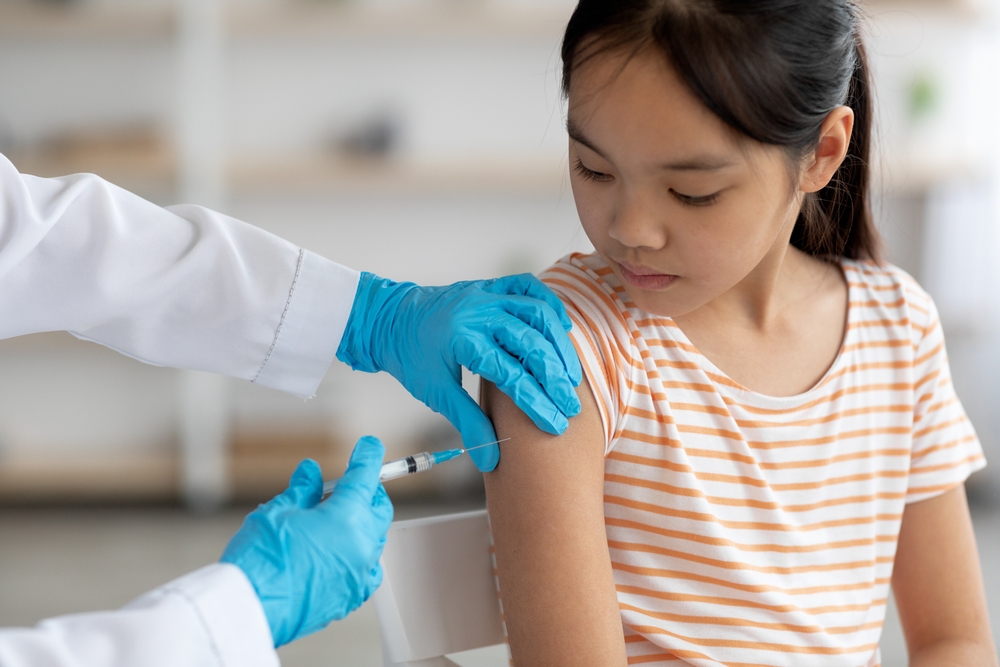
Vaccines play a crucial role in preventing infectious diseases, saving millions of lives each year. However, like all medical interventions, they can carry some risks, particularly for individuals with certain genetic predispositions. Recognizing these genetic risks is essential for ensuring vaccine safety and efficacy. This article explores eight genetic risks associated with vaccines, explains the risks they pose, and identifies potential vaccine injuries. Additionally, it highlights the importance of determining if your child is predisposed to vaccine injury and the role of healthcare providers in this process.
Eight Genetic Risks for Vaccines
1. MTHFR Mutation
Risk Explanation: The MTHFR gene mutation affects the body’s ability to process folate and homocysteine, which are crucial for DNA methylation and repair.
Vaccine Injury: Individuals with MTHFR mutations may have an impaired ability to detoxify certain components of vaccines, such as thimerosal (a mercury-based preservative). This can lead to an increased risk of adverse reactions, including neurological symptoms and developmental delays.
2. HLA Typing
Risk Explanation: Human leukocyte antigen (HLA) genes play a role in immune system regulation. Certain HLA types are associated with an increased risk of autoimmune reactions.
Vaccine Injury: Individuals with specific HLA types may be more susceptible to autoimmune conditions triggered by vaccines, such as Guillain-Barré Syndrome (GBS) or autoimmune encephalitis.
3. IL-4 Receptor Mutation
Risk Explanation: Mutations in the IL-4 receptor gene can result in an overactive immune response to vaccines.
Vaccine Injury: This genetic risk can lead to exaggerated inflammatory responses, resulting in conditions such as encephalitis or severe allergic reactions, including anaphylaxis.
4. TNF-alpha Polymorphisms
Risk Explanation: Tumor necrosis factor-alpha (TNF-alpha) is a cytokine involved in systemic inflammation. Certain polymorphisms in the TNF-alpha gene can lead to heightened inflammatory responses.
Vaccine Injury: Individuals with these polymorphisms may experience excessive inflammation following vaccination, increasing the risk of conditions such as vaccine-induced arthritis or chronic inflammatory syndromes.
5. ADRB2 Polymorphisms
Risk Explanation: The ADRB2 gene codes for beta-2 adrenergic receptors, which are involved in immune regulation and respiratory function. Polymorphisms in this gene can affect immune responses.
Vaccine Injury: Children with ADRB2 polymorphisms may be at a higher risk for asthma exacerbation or respiratory distress following vaccination, particularly with vaccines that induce strong immune responses.
6. PON1 Gene Mutation
Risk Explanation: The PON1 gene is involved in detoxifying organophosphates and other toxins. Mutations in this gene can impair detoxification pathways.
Vaccine Injury: This genetic risk can lead to a buildup of toxic substances in the body following vaccination, potentially resulting in neurodevelopmental disorders or chronic fatigue syndrome.
7. Apolipoprotein E (APOE) Genotype
Risk Explanation: The APOE gene is important for lipid metabolism and neuronal repair. The APOE4 variant is associated with an increased risk of neurodegenerative diseases.
Vaccine Injury: Individuals with the APOE4 genotype may have an increased risk of developing neurological adverse reactions, such as encephalopathy or cognitive decline, following vaccination.
8. CBS Gene Mutation
Risk Explanation: The CBS gene is involved in the metabolism of homocysteine. Mutations in this gene can lead to elevated homocysteine levels and impaired detoxification.
Vaccine Injury: Children with CBS gene mutations may experience increased oxidative stress and inflammation following vaccination, potentially leading to conditions such as vasculitis or mitochondrial dysfunction.
Importance of Determining Genetic Predisposition to Vaccine Injury
1. Enhanced Vaccine Safety
Understanding a child’s genetic predisposition allows healthcare providers to tailor vaccination schedules and select vaccines that minimize the risk of adverse reactions. This personalized approach ensures that vaccinations are administered as safely as possible.
2. Early Identification of Adverse Reactions
Knowledge of genetic risks for vaccines can help in the early identification and management of adverse reactions. Parents and healthcare providers can be more vigilant and responsive to signs of vaccine injury, ensuring prompt intervention and care.
3. Informed Decision-Making
Being aware of genetic predispositions empowers parents to make informed decisions about their child’s healthcare. They can weigh the risks and benefits of each vaccine, discuss alternative vaccination schedules, and consider additional precautions with their healthcare provider.
4. Preventing Long-Term Health Issues
Early identification of genetic risks for vaccines can prevent potential long-term health issues associated with vaccine injuries. By taking proactive measures, parents can reduce the likelihood of their child developing chronic conditions resulting from adverse vaccine reactions.
5. Personalized Healthcare Plans
Determining genetic predispositions allows for the creation of personalized healthcare plans that consider the unique needs and vulnerabilities of each child. This individualized approach can optimize health outcomes and enhance overall well-being.
Hope for Healing: A Resource for Identifying and Managing Vaccine Risk
Given the potential genetic risks associated with vaccines, it is crucial to work with healthcare providers who understand these complexities. Hope for Healing is dedicated to providing comprehensive care for children and families, helping them navigate the intricacies of genetic risks and vaccine safety.
1. Genetic Testing and Evaluation
Hope for Healing offers genetic testing and evaluation to identify potential risks associated with vaccines. By analyzing a child’s genetic profile, they can determine specific vulnerabilities and recommend appropriate measures to mitigate risks.
2. Personalized Vaccination Plans
Based on genetic testing results, Hope for Healing creates personalized vaccination plans tailored to each child’s unique genetic makeup. These plans aim to minimize adverse reactions while ensuring effective immunization against infectious diseases.
3. Holistic Health Assessments
Hope for Healing conducts thorough health assessments to understand the overall well-being of each child. This holistic approach considers genetic, environmental, and lifestyle factors, ensuring comprehensive care and optimal health outcomes.
4. Education and Support
Hope for Healing provides education and support to parents, empowering them with the knowledge needed to make informed decisions about their child’s healthcare. They offer guidance on vaccine safety, potential risks, and strategies to enhance overall health and resilience.
5. Ongoing Monitoring and Care
The team at Hope for Healing offers ongoing monitoring and care for children with identified genetic risks. Regular check-ups and assessments help ensure that any adverse reactions are promptly addressed and managed effectively.
Keep Your Children Safe Through Hope for Healing
Understanding the genetic risks associated with vaccines is essential for ensuring the safety and efficacy of immunizations. By identifying genetic predispositions, parents and healthcare providers can take proactive measures to minimize the risk of vaccine injuries in children. Working with knowledgeable and supportive providers, such as those at Hope for Healing, ensures that children receive the best possible care tailored to their unique needs. With the right approach, parents can confidently protect their children against infectious diseases while safeguarding their overall health and well-being. Keep your children healthy and safe starting today by scheduling a welcome call with Hope for Healing to identify genetic risks for vaccines.