Chronic inflammatory response syndrome, or CIRS, has gained increasing attention in recent years, particularly among those suffering from persistent symptoms that evade conventional diagnoses. But with growing visibility, CIRS has also received criticism. Some online sources dismiss CIRS as “fringe science” or even “quackery.” But is a CIRS diagnosis quackery?
In this article, we’ll unpack what CIRS is, what triggers it, how it impacts the body, and whether the skepticism is justified. Overall, no, CIRS is not quackery. It reflects real, measurable physiological dysfunction in a subset of patients, especially those exposed to environmental biotoxins. While the condition may not be widely addressed in mainstream medicine, that does not invalidate its reality or the results achieved by professionals trained in biotoxin illness.
What Is CIRS?
CIRS stands for chronic inflammatory response syndrome, a complex multi-system illness caused by ongoing exposure to biotoxins in people who are genetically unable to eliminate those toxins efficiently.
Unlike acute illnesses with clear causes and timelines, CIRS arises when biotoxins are not adequately cleared from the body, leading to a chronic immune system overreaction.
In genetically susceptible individuals—those with certain HLA-DR gene haplotypes—the body fails to tag biotoxins for removal. Instead, these toxins circulate indefinitely, activating the innate immune system, damaging tissues, and creating widespread inflammation. Over time, this inflammation affects multiple systems in the body, including the brain, lungs, gut, endocrine glands, and muscles.
What Triggers CIRS?
CIRS is not caused by a single pathogen or toxin. It is a syndrome: a collection of symptoms and biological markers tied to chronic immune activation in response to environmental exposure. The most common triggers include the following:
1. Mold and Water-Damaged Buildings
This is the leading known cause of CIRS. Buildings affected by water intrusion often harbor mold spores, mycotoxins, bacterial endotoxins, actinomycetes, and volatile organic compounds (VOCs). Exposure can occur through inhalation, skin contact, or contaminated dust.
2. Harmful Algal Blooms
Cyanobacteria, or blue-green algae, found in contaminated lakes and coastal waters release neurotoxins such as microcystins and anatoxins. Swimming or breathing in mist from affected water can trigger CIRS in some people.
3. Ciguatera Fish Poisoning
Caused by eating reef fish that have accumulated toxins from marine dinoflagellates, ciguatera poisoning can lead to long-term inflammatory responses in genetically vulnerable individuals.
4. Tick-Borne Infections
While not a biotoxin, chronic immune dysfunction following Lyme disease and its co-infections can lead to a CIRS-like presentation, especially when inflammation persists after treatment.
5. Other Environmental Toxins
Pesticides, heavy metals, and certain chemicals may act as secondary triggers or co-factors, worsening the inflammatory load on the body.
What Are the Symptoms of CIRS?
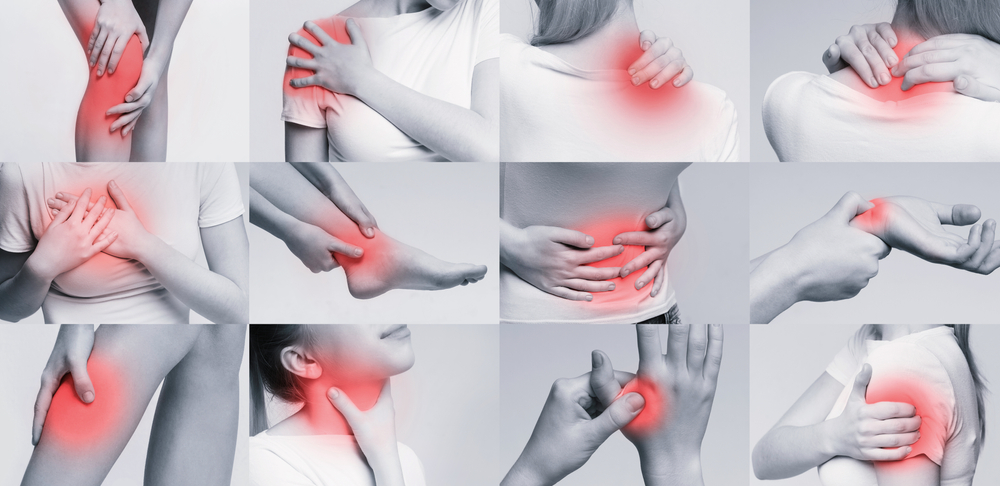
CIRS can cause a bewildering variety of symptoms, affecting many organs at once. People suffering from CIRS often experience the following symptoms:
- Debilitating fatigue
- Brain fog, memory issues, poor concentration
- Headaches and light sensitivity
- Shortness of breath or cough
- Sinus congestion
- Digestive problems such as bloating and diarrhea
- Joint pain and muscle aches
- Mood swings, anxiety, or depression
- Night sweats and temperature dysregulation
- Increased urination or static shocks
- Hormonal imbalance or low libido
Because of the wide range of complaints, many CIRS patients are misdiagnosed with conditions such as chronic fatigue syndrome, fibromyalgia, depression, or anxiety. No wonder some people think a CIRS diagnosis is quackery. But what distinguishes CIRS is that it has objective biological markers—measurable lab abnormalities that provide clear evidence of chronic immune dysfunction.
Why Do Some People Call CIRS Diagnoses “Quackery”?
Claims that a CIRS diagnosis is just quackery often stem from several misunderstandings:
1. CIRS Is Not Commonly Diagnosed in Conventional Medicine
Because most mainstream doctors are not trained to recognize CIRS, patients often go years without a diagnosis. That absence of recognition can lead to the false conclusion that the condition isn’t real.
2. The Symptoms Are Non-Specific
Fatigue, brain fog, joint pain—these symptoms are common to many conditions, and some believe that their presence in CIRS patients suggests that the diagnosis is overly broad. But in CIRS, these symptoms are backed by specific inflammatory markers and genetic patterns, making it distinct from vague or psychosomatic illness.
3. Treatments Aren’t Standardized Across Health Systems
CIRS treatment requires a multi-step, individualized process that isn’t covered by typical insurance models. This leads some to view the treatment as “alternative” or outside scientific consensus. But lack of familiarity in the insurance model doesn’t mean there’s a lack of evidence.
4. Some Providers Overpromise Results
Like many chronic conditions, CIRS can attract both excellent clinicians and opportunists. This makes it especially important to work with providers who follow a science-backed, measured protocol for diagnosing and treating biotoxin illness.
Is CIRS Quackery?
No. A CIRS diagnosis is not quackery. It indicates a documented inflammatory condition with well-established diagnostic criteria, genetic predisposition, lab markers, and a growing body of scientific literature.
CIRS is a legitimate medical condition recognized by physicians trained in environmental and functional medicine. The main challenge is that it exists outside the scope of conventional acute-care medicine, which often overlooks the root causes of chronic illness.
Why Is CIRS Often Missed by Conventional Doctors?
The traditional medical system is excellent at managing acute illness, infections, trauma, and surgical needs. But it’s not designed to address complex chronic conditions that involve multiple systems and subtle immune imbalances.
Most primary care visits are short, reactive, and based on standard labs that often appear normal in CIRS patients. Additionally, very few physicians receive formal training in environmental medicine, mold exposure, or biotoxin illness.
CIRS is not quackery. Its treatment just requires more time, attention, and follow-up than most primary care models allow. This leaves a gap—one that can be filled by dedicated practitioners who specialize in root-cause, systems-based approaches to chronic illness.
Hope for Healing: Trusted CIRS Treatment
Our team at Hope for Healing provides care for patients suffering from mold-related illness and biotoxin exposure. Unlike many providers, we specialize in identifying CIRS, acknowledging it is not quackery, validating patients’ experiences, and offering a science-based path toward healing.
Here’s what sets Hope for Healing apart:
- Root-Cause Diagnosis: We don’t just treat symptoms. We identify underlying immune and environmental triggers.
- Advanced Testing: Our methods include HLA genetic testing, VCS testing, and inflammation panels (such as C4a, TGF-β1, MMP-9, and VIP).
- Comprehensive Treatment: We follow evidence-based protocols to safely remove biotoxins, lower inflammation, and restore balance.
- Personalized Care: Every patient’s history, genetics, and environment are unique—and so is their treatment plan.
- Validated Success: Many patients previously dismissed by mainstream medicine have experienced measurable improvements in energy, cognition, and quality of life.
If you’ve been told there’s nothing wrong with you—or worse, that it’s all in your head—don’t give up. Our team at Hope for Healing understands CIRS and has helped many patients recover when standard care couldn’t provide answers.
Join Hope for Healing Today
CIRS is controversial only because it challenges a model of medicine that isn’t yet equipped to handle the complexities of chronic immune dysfunction.
CIRS is not quackery. It’s a documented syndrome affecting people who have been exposed to environmental biotoxins and have a genetic predisposition that prevents their bodies from eliminating those toxins. When these exposures go unaddressed, the result is a systemic, debilitating illness that requires thoughtful, tailored care.
Thanks to practitioners like us at Hope for Healing, recovery is possible. Our work validates the experiences of countless patients and offers real, scientific solutions—rooted in compassion, expertise, and results.Schedule a welcome call with Hope for Healing today for CIRS treatment!