Chronic Inflammatory Response Syndrome, or CIRS, is a condition triggered by prolonged exposure to biotoxins—most commonly from mold in water-damaged buildings. It affects multiple systems in the body, but one of the most complex and often misunderstood aspects is its impact on the brain.
Cognitive symptoms such as memory problems, poor focus, emotional reactivity, and word-finding difficulty are commonly reported in CIRS patients. These issues can interfere with daily functioning, and standard tests often fail to show anything unusual. Understanding the connection among CIRS, inflammation, and brain health is a critical part of identifying and treating this condition. At Hope for Healing, patients can access specialized diagnostics and treatment protocols designed to address CIRS and its neurological effects.
What Is CIRS?
Chronic Inflammatory Response Syndrome occurs when the immune system remains chronically activated due to exposure to biotoxins—substances created by living organisms such as mold, bacteria, or algae. In individuals with certain genetic markers (approximately 25% of the population), these toxins are not cleared efficiently. As a result, the immune system stays in a prolonged state of activation.
Common biotoxin sources include the following:
- Mold spores and fragments from water-damaged buildings
- Cyanobacteria from lakes or rivers
- Certain bacterial toxins associated with Lyme disease
- Marine toxins from shellfish or red tide exposure
This chronic immune response from CIRS causes inflammation that affects multiple organs and systems, including the brain.
How CIRS Causes Brain Inflammation
One of the central features of CIRS is its effect on brain inflammation and the central nervous system. Inflammation in the brain, or neuroinflammation, occurs through several mechanisms:
- The body’s immune system produces cytokines—chemical messengers that drive inflammation—in response to biotoxins. In genetically susceptible individuals, this response does not turn off.
- The blood-brain barrier, which normally protects the brain from harmful substances, can become more permeable due to prolonged inflammation. This allows inflammatory molecules to enter the brain and contribute to dysfunction.
- Microglia, the brain’s immune cells, can become overactivated and produce further inflammation that affects nearby neurons.
- Inflammatory stress disrupts neurotransmitters such as serotonin, dopamine, GABA, and glutamate, which are critical for mood, memory, and sleep.
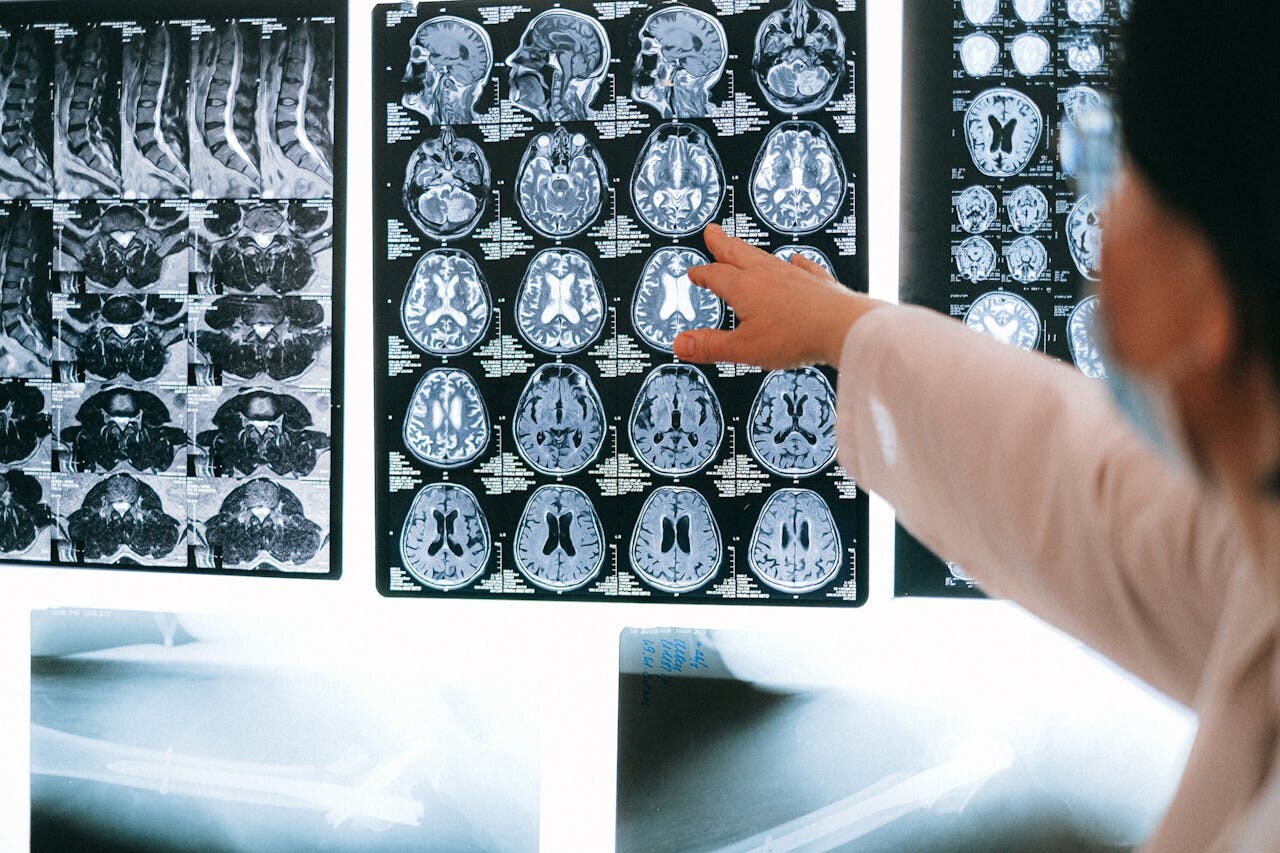
- MRI scans analyzed with NeuroQuant software have shown structural changes in the brains of CIRS patients, such as shrinkage of certain areas or enlargement of fluid-filled spaces.
These physiological disruptions can lead to a wide range of cognitive and psychological symptoms.
Common Cognitive and Emotional Symptoms of CIRS
Because CIRS can inflame the brain, symptoms may vary from person to person. However, there are consistent patterns:
- Difficulty concentrating or processing information (often referred to as “brain fog”)
- Short-term memory challenges, such as forgetting conversations or misplacing objects
- Trouble retrieving words during conversation
- Emotional sensitivity or reactivity, including irritability and anxiety
- Impulsive decisions or diminished executive functioning
- Trouble falling asleep or staying asleep, and waking feeling unrefreshed
- Symptoms resembling anxiety or depression, sometimes without a clear external cause
These changes may be subtle at first, but they often increase over time if the condition is not treated.
How CIRS Is Diagnosed
Diagnosing CIRS and brain inflammation requires a combination of symptom analysis, a history of biotoxin exposure, lab testing, and sometimes advanced imaging.
Typical diagnostic steps include the following:
- A detailed patient history that includes water damage exposure, symptom timeline, and genetic predisposition
- Visual Contrast Sensitivity (VCS) testing to assess neurological function
- Blood tests to measure markers of immune activity, such as C4a, TGF-β1, MMP-9, VEGF, and hormone levels such as MSH or cortisol
- HLA-DR genetic testing to assess biotoxin sensitivity
- MRI with NeuroQuant analysis to identify structural brain changes associated with neuroinflammation
An experienced clinician will use a combination of these tools to determine whether CIRS is present in a patient’s brain inflammation and to guide treatment.
Treatment Options for CIRS-Related Brain Inflammation
Successful treatment of CIRS requires a multi-step approach. Addressing CIRS-related brain inflammation is only one component; eliminating the underlying cause and supporting immune recovery are also critical.
Key treatment elements include the following:
Removal from Exposure
This is the most important first step. Patients must stop exposure to mold or biotoxins by moving out of affected environments or undergoing comprehensive remediation. Ongoing exposure will prevent progress.
Toxin Binding and Elimination
Medications such as cholestyramine or Welchol are commonly used to bind toxins in the gut and help remove them from the body. Supplements such as glutathione may support detoxification pathways.
Immune System Regulation
Reducing inflammation through targeted therapies may include omega-3 fatty acids, antioxidants, or low-dose naltrexone (LDN). These approaches help bring the immune system back to balance.
Hormonal and Neurotransmitter Support
Patients often benefit from therapies that stabilize cortisol, ADH, and other disrupted hormones. Neurotransmitter support, either through lifestyle interventions or supplements, can aid in mood regulation and cognitive clarity.
Cognitive Rehabilitation
Once inflammation is better controlled, patients may begin cognitive retraining, neurofeedback, or occupational therapy to improve memory and focus. Strategies such as brain retraining programs (e.g., DNRS or Gupta) are also used in some cases.
Ongoing Monitoring
Lab markers should be followed over time to track progress. Symptoms often resolve gradually, and recovery may take several months. Continuous evaluation ensures that treatment is adjusted as needed.
Who Should Consider Evaluation for CIRS?
CIRS should be considered when a patient presents with a combination of unexplained, multi-system symptoms and has a history of the following:
- Living or working in water-damaged buildings
- Persistent sinus or respiratory problems without infection
- Chronic fatigue, fibromyalgia-like symptoms, or multiple sensitivities
- Cognitive changes without a neurological diagnosis
- Hormonal imbalances not explained by traditional causes
- Previous diagnosis of mold toxicity or post-Lyme disease syndrome
Because CIRS can mimic or overlap with other conditions, it is essential to work with a practitioner trained in biotoxin illness to get a thorough evaluation.
CIRS Care at Hope for Healing
CIRS brain inflammation is not commonly recognized in conventional medical settings, which means many individuals go undiagnosed or are treated for symptoms rather than root causes. At Hope for Healing, the care team is trained in advanced protocols for CIRS evaluation and treatment. They utilize a combination of functional medicine, lab testing, environmental assessment, and patient education to guide recovery.
Their approach is designed for individuals who have been searching for answers to complex chronic symptoms and have not found relief through standard interventions.
Join Hope for Healing Today
Chronic Inflammatory Response Syndrome can significantly affect brain function, leading to issues with memory, mood, and mental clarity. These symptoms often go unrecognized or are misattributed to stress, aging, or unrelated neurological issues. But with appropriate testing and treatment, individuals can begin to restore function and reduce CIRS-related brain inflammation.
If you are experiencing symptoms such as brain fog, memory loss, mood changes, or cognitive fatigue and have a history of mold or biotoxin exposure, consider an evaluation for CIRS brain inflammation at Hope for Healing. We will offer comprehensive support to help identify the cause and create a personalized treatment plan for you.Schedule a welcome call with Hope for Healing today!