When health issues persist without a clear explanation, patients often find themselves with an overwhelming amount of possible diagnoses. One condition that can be particularly confusing is chronic inflammatory response syndrome, or CIRS. The symptoms of CIRS often overlap with those of autoimmune diseases, but the underlying causes and treatment approaches are different. Understanding how CIRS works and how it impacts the immune system is key to finding the right care and relief.
What Is CIRS?
CIRS stands for chronic inflammatory response syndrome, a multi-system, multi-symptom illness caused by ongoing exposure to certain environmental toxins. These toxins often come from water-damaged buildings but can also be from other sources such as tick bites, harmful algae blooms, or contaminated water.
In CIRS, the immune system becomes stuck in a state of constant activation, unable to properly regulate the inflammation it’s producing. Instead of resolving the threat and returning to a balanced state, the immune system continues firing, damaging healthy tissues and leading to a wide variety of symptoms.
Causes of CIRS
The most common triggers for CIRS include the following:
- Mold toxins (mycotoxins) from water-damaged buildings
- Biotoxins from bacteria in stagnant or contaminated water
- Toxins from certain marine organisms such as dinoflagellates or cyanobacteria
- Toxins from tick-borne illnesses such as Lyme disease
- Fungal or bacterial overgrowth in the body following environmental exposure
Not everyone exposed to these toxins develops CIRS. Genetics play a role with some individuals having immune system genes (HLA-DR haplotypes) that make them less capable of eliminating these toxins and leaving them vulnerable to chronic inflammation.
Signs You Might Have CIRS
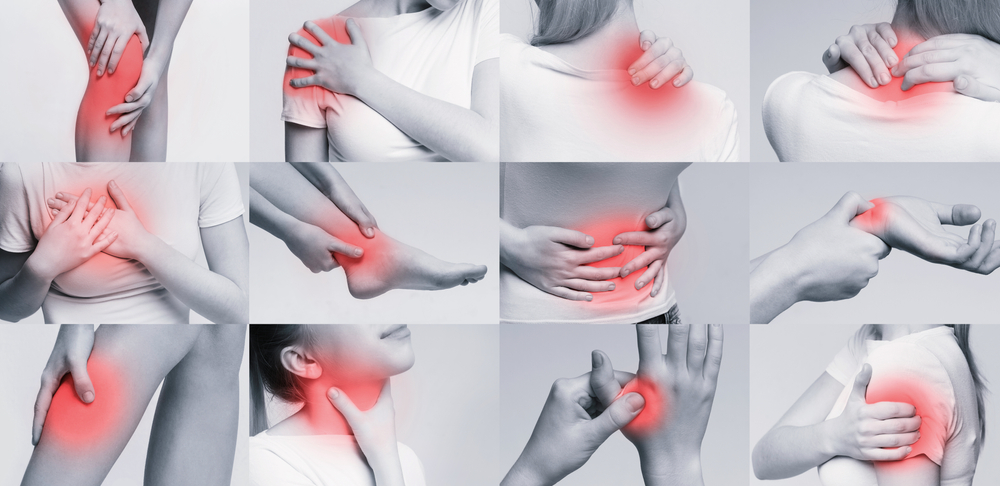
CIRS is known for its wide range of symptoms, which may come and go or shift over time. Common symptoms include the following:
- Persistent fatigue that doesn’t improve with rest
- Brain fog, memory issues, or difficulty concentrating
- Headaches or migraines
- Muscle and joint pain without injury
- Shortness of breath or sinus issues
- Numbness or tingling in extremities
- Digestive disturbances such as bloating, diarrhea, or nausea
- Mood changes, anxiety, or depression
- Light sensitivity or vision changes
- Increased sensitivity to chemicals or smells
Because these symptoms look like many other illnesses, people with CIRS are often misdiagnosed or told their symptoms are unrelated. This adds to the confusion that has people asking, “Is CIRS an autoimmune disease?”
What Is an Autoimmune Disease?
An autoimmune disease occurs when the immune system mistakenly attacks the body’s own healthy tissues, viewing them as foreign invaders. Instead of targeting viruses or bacteria, the immune system produces antibodies that damage the body itself.
Examples of autoimmune diseases include the following:
- Rheumatoid arthritis (immune attack on joints)
- Multiple sclerosis (immune attack on nerve coverings)
- Hashimoto’s thyroiditis (immune attack on the thyroid)
- Lupus (immune attack on multiple organs and tissues)
Autoimmune diseases are often lifelong, and their triggers are complex, sometimes involving infections, genetics, and environmental factors.
Is CIRS an Autoimmune Disease?
CIRS is not classified as an autoimmune disease. It is a chronic inflammatory condition caused by an external trigger—biotoxins—rather than an immune system that spontaneously turns on itself. However, the chronic inflammation from CIRS can mimic or even contribute to autoimmune activity.
In fact, prolonged immune dysfunction from CIRS can lead to the following harmful results:
- Immune overactivation that damages tissues
- Autoantibody production in some cases
- Exacerbation of pre-existing autoimmune conditions
- New autoimmune diagnoses in genetically predisposed individuals
For many patients, treating CIRS early can reduce inflammation and prevent progression toward autoimmune-like issues.
How Toxins Disrupt the Immune System
CIRS is not an autoimmune disease because it is caused by external toxins, not the body’s systems themselves. When toxins from mold or other biotoxins enter the body, a healthy immune system is typically able to recognize, neutralize, and eliminate them. But in individuals with certain genetic predispositions, this process is not completed. The toxins remain in circulation, continually triggering the immune system.
This leads to the following symptoms:
- Continuous production of inflammatory cytokines
- Disruption of hormonal balance (including cortisol and thyroid function)
- Impaired detoxification pathways in the liver and kidneys
- Altered gut microbiome balance, which can further impair immunity
- Over time, misdirected immune responses that may mimic autoimmune disease
Functional Medicine for CIRS
For both CIRS and autoimmune diseases, functional medicine focuses on identifying and addressing the root cause of illness rather than only treating symptoms. For CIRS, this means more than simply prescribing medications. It involves detecting toxin exposure, removing the source, facilitating detoxification, and restoring immune balance.
How Functional Medicine Approaches CIRS:
- Comprehensive Testing
- Identifies mold toxins, immune markers, and inflammation indicators
- Uses environmental testing to confirm exposure sources
- Environmental Remediation
- Removes the patient from continued exposure to biotoxins
- Detoxification Support
- Uses binding agents (such as cholestyramine or natural binders) to help remove toxins from the body
- Administers nutrient therapy to support liver and kidney function
- Immune Regulation
- Creates anti-inflammatory nutrition plans
- Encourages lifestyle changes to reduce ongoing immune stress
- Restored Energy and Organ Function
- Addresses hormonal imbalances caused by chronic inflammation
- Supports mitochondrial health for better energy production
Hope for Healing: Your Partner in CIRS Recovery
Hope for Healing offers specialized care for patients struggling with either CIRS or autoimmune disease through a functional medicine approach. Our providers understand that these conditions require a thorough, individualized plan that goes beyond symptom management.
With a focus on root causes, our team at Hope for Healing helps you do the following:
- Accurately diagnose CIRS through advanced testing
- Identify and remove toxin exposure sources
- Implement targeted detoxification protocols
- Restore immune balance and reduce inflammation
- Rebuild overall health and energy levels
Hope for Healing believes that fully recovering from CIRS requires more than just medical intervention. It requires a partnership between patient and provider with education, support, and personalized treatment.
Take the First Step Toward Healing
So, is CIRS an autoimmune disease? No, but it’s still a concerning condition. If you are experiencing persistent unexplained symptoms that could be linked to CIRS, you don’t have to live in uncertainty or discomfort. The early evaluation and intervention of functional medicine at a place such as Hope for Healing can prevent the progression of inflammation and its potential autoimmune-like effects.
Hope for Healing offers compassionate, science-driven care designed to uncover the root cause of your illness and help you reclaim your health.Learn more about CIRS care, autoimmune diseases, and the functional medicine approach at Hope for Healing by visiting get2theroot.com/mold-cirs today!