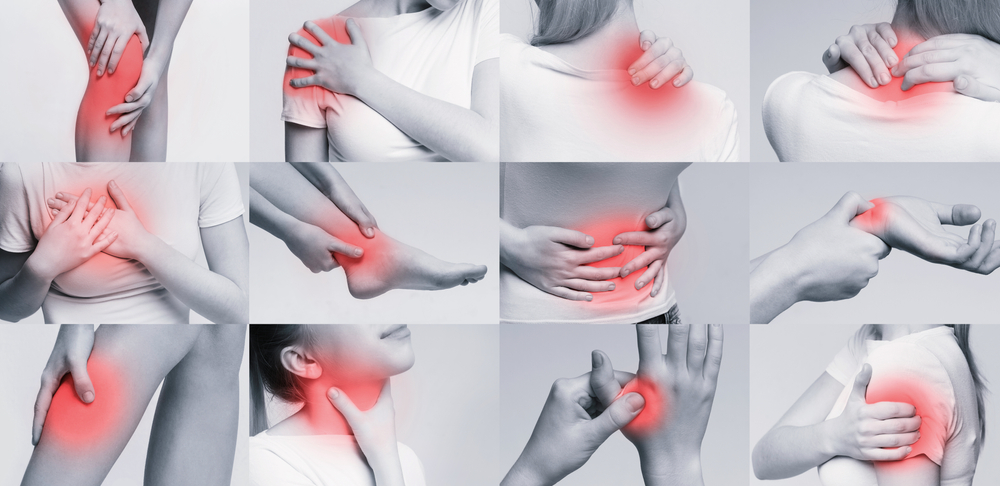
Every movement shouldn’t be a battle with your own body. Yet for millions, that’s exactly what aching joints feel like – a constant, nagging reminder that something’s wrong. At Hope for Healing, we’ve uncovered a surprising culprit behind many cases of persistent joint pain: hormone imbalance. It’s not just about getting older or pushing too hard at the gym. Your body’s chemical messengers might send the wrong signals, turning simple tasks into painful ordeals. But here’s the good news: once you understand how hormone imbalance causes aching joints, you’re already on the path to lasting relief.
The Hormone-Joint Pain Connection
Think of hormones as your body’s messengers, coordinating everything from mood to joint health. When these hormones get out of whack, it can lead to inflammation, less joint lubrication, and increased pain sensitivity. Knowing how hormone imbalances cause aching joints is important for effective treatment.
Key Hormones Affecting Joint Health
Several hormones can be troublemakers when it comes to joint pain:
- Cortisol:
This stress hormone can ramp up inflammation when levels stay high.
- Estrogen:
Fluctuations, especially in women, can affect joint flexibility and how you perceive pain.
- Testosterone:
Low levels can lead to muscle loss and weaker bones, impacting joint stability.
- Thyroid hormones:
Both over- and underactive thyroids can contribute to joint pain and stiffness.
- Growth hormone:
Low levels of growth horome can affect how well your body repairs and maintains cartilage.
- Parathyroid hormone:
Imbalances can disrupt calcium metabolism, potentially affecting bone health and joint function.
Understanding these connections is key to determining how hormone imbalance causes aching joints and developing targeted treatments.
How Hormones Become Imbalanced
Several factors can throw your hormones off balance:
Stress and Lifestyle Factors
Chronic stress, poor diet, lack of exercise, and sleep can all disrupt your hormone production. These lifestyle factors can lead to cortisol imbalances, which can affect other hormones and potentially cause aching joints.
Aging and Menopause
As we get older, our bodies naturally produce fewer hormones. For women, the hormonal rollercoaster of menopause can significantly impact joint health. The drop in estrogen can lead to more inflammation and joint pain. It’s a prime example of how hormone imbalance can cause aching joints in older adults.
Environmental Toxins
Exposure to certain chemicals in plastics and pesticides can interfere with hormone production and function. These toxins mimic or block natural hormones, leading to imbalances that may result in joint discomfort.
Gut Health Issues
Your gut plays a surprisingly big role in hormone regulation. Digestive problems, food sensitivities, and an imbalanced gut microbiome can all contribute to hormone imbalances, potentially leading to joint pain. This gut-hormone-joint connection is an exciting area of research in understanding how hormone imbalances cause aching joints.
Metabolic Disorders
Conditions like diabetes and metabolic syndrome can disrupt hormone balance, potentially leading to joint inflammation and pain. Managing these conditions is often crucial in addressing hormone-related joint discomfort.
Identifying Hormone-Related Joint Pain
How do you know if hormone imbalance is causing your aching joints? Look out for these signs:
- Joint pain that changes with hormonal cycles
- Widespread joint pain without obvious injury or overuse
- Joint stiffness, especially when you wake up
- Feeling tired and moody along with joint pain
- Weight gain or trouble losing weight
- Changes in skin texture or hair loss
- Irregular periods for women
If you’re experiencing these symptoms, it’s time to talk to a healthcare provider who understands how hormone imbalance can cause aching joints.
Our Approach to Treating Hormone-Related Joint Pain
At Hope for Healing, we take a comprehensive, root-cause approach to addressing hormone imbalances and joint pain:
Comprehensive Hormone Testing
We don’t guess – we test. Our thorough hormone panel tests identify specific imbalances, allowing us to create a treatment plan tailored just for you.
Personalized Nutrition Plans
Food can be a powerful medicine. Our experts develop customized nutrition plans to support hormone balance and reduce inflammation, often including anti-inflammatory foods, omega-3s, and specific nutrients that support joint health.
Targeted Supplementation
Based on your test results, we may recommend specific supplements to address hormone imbalances and support joint health. This might include vitamin D, omega-3s, or herbal supplements known to support hormone balance and alleviate joint pain.
Stress Management Techniques
We’ll give you practical tools to manage stress effectively, helping to balance cortisol levels and reduce their impact on joint pain. This may include mindfulness practices, meditation, or adaptogenic herbs.
Hormone Replacement Therapy
In some cases, bioidentical hormone replacement therapy may be the key to restoring balance and alleviating joint pain. We always carefully monitor and personalize this approach to ensure we’re effectively addressing how hormone imbalance is causing your aching joints.
Gut Health Optimization
We address any underlying gut health issues contributing to hormone imbalances and joint pain. This might involve dietary changes, probiotics, or other gut-healing protocols to support overall hormone balance and joint health.
The Importance of a Holistic Approach
While addressing hormone imbalances is crucial, we believe in looking at the big picture of your health:
- Regular, low-impact exercise to support joint flexibility and strength
- Adequate sleep to promote hormone balance and tissue repair
- Stress reduction techniques to minimize cortisol’s impact on joints
- Reducing exposure to environmental toxins to support overall hormone health
- Mind-body practices like yoga or tai chi, can help balance hormones and improve joint function
By addressing hormone imbalances alongside these lifestyle factors, we’ve seen significant improvements in joint pain and overall well-being in our patients.
Advanced Therapies for Hormone-Related Joint Pain
For cases where hormone imbalance is causing severe aching joints, we also offer advanced therapies:
Platelet-Rich Plasma (PRP) Therapy
PRP therapy uses your blood components to stimulate healing in affected joints. This can be particularly effective when combined with hormone-balancing treatments.
Regenerative Medicine
Stem cell therapies and other regenerative medicine approaches can help repair joint tissues affected by hormone imbalances, offering a cutting-edge solution for chronic joint pain.
Take the First Step Towards Pain-Free Living
Don’t let aching joints prevent you from living your best life. If you suspect hormone imbalance might be the root cause of your pain, it’s time to take action. At Hope for Healing, we’re ready to uncover the unique factors contributing to your joint discomfort and create a personalized plan to address them. Our comprehensive approach goes beyond quick fixes, targeting the hormonal imbalances at the core of your pain.
Ready to reclaim pain-free movement and get back to doing what you love? Contact us today to schedule your free welcome call. Let’s work together to balance your hormones, ease your joint pain, and help you rediscover the joy of effortless movement.